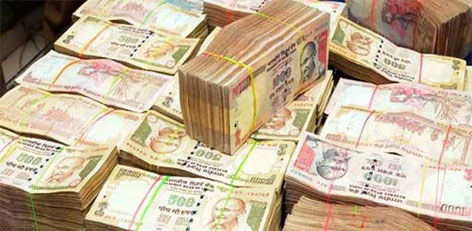
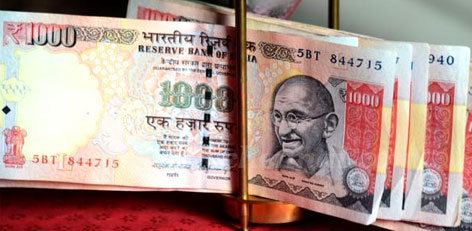
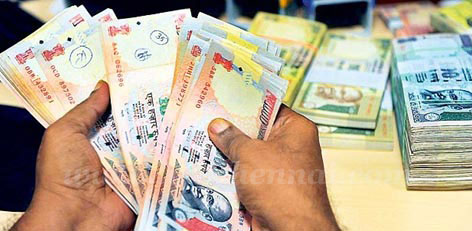
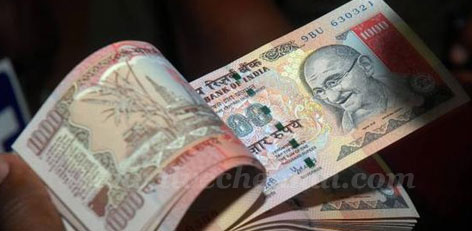
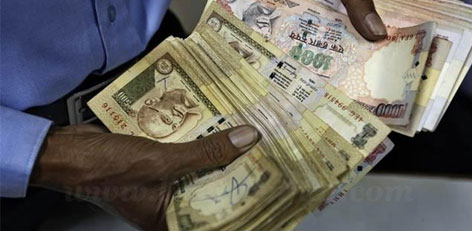
Prime Minster Narendra Modi demonetized Rs 500 and Rs 1000 notes. He also mentioned that new Rs 2000 will be introduced in lieu of void notes. Though Rs 2000 notes were released,
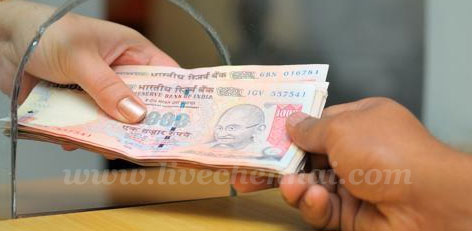
The demonetized old 500 and 1000 rupee notes were exchanged in post offices. Those of who did not have postal savings accounts exchanged their money showing the identify cards.
A top government official said that retailers who are into prepaid mobile vouchers sales need to submit the details of all customers who recharge their phones using old currency notes.
Delay in salaries possible, say experts
...........................................................................................................................
According to a report in a leading business daily, before the major financial move of demonitisation, banks witnessed maximum withdrawals in the first week of the month, with almost 50 -70 per cent of salary.
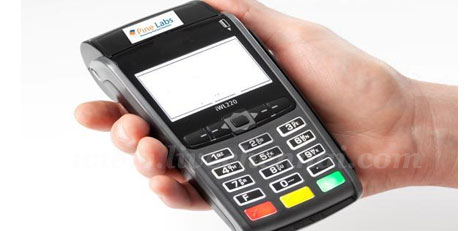
A merchant who has applied to a bank for a swipe machine should have an account in that bank. In the application given by the bank, details such has business details, name of the merchant.
A minimum of 50 percent tax may be levied on unexplained bank deposits made using the banned currency comprising of 500 and 1000 rupee notes up to December 30 along with a 4-year .
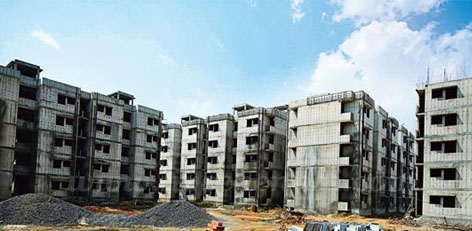
There is a strong likelihood of the housing prices in India’s major 42 cities to come down by 30 percent in the next 6 to 12 months.The company Propequity has informed that because of the above-expected cost reduction
Starting from the midnight on Thursday, exchange of demonetized Rs 500 and Rs 1000 notes at banks is stopped and the same will be made at the Reserve Bank of India, according.
The union cabinet has decided to levy 60 percent tax on the black money deposited in the banks.The union cabinet is understood to have approved amendments to the income-tax laws late on Thursday,
Petrol bunks and government offices will continue to receive old notes. In connection with the central government has issued a notification:The exchange of the high-value notes of Rs. 500 and Rs. 1,000 over the counter.
The Central Government has been reviewing the issues related to the cancellation of legal tender character of old Rs. 500 and Rs. 1000 notes. The Government has also been receiving various suggestions in this regard.
The Finance Ministry has said that people can deposit the invalid Rs. 500 and Rs. 1000 denomination currency notes in their Post Office savings accounts.In an official statement, the Ministry said, Rs. 500 and 1,000.
On Wednesday, the State Bank of Indi has reduced bulk deposit rates by 1.9 percent, making the most of increased deposits following demonetization of Rs 500 and Rs 1000 notes.
Personnel and Administrative Reforms Department of Tamil Nadu State Government has mentioned as follows: In the Government Order No 117, amendments were issued to Rule 24 A of the Tamil Nadu Government.
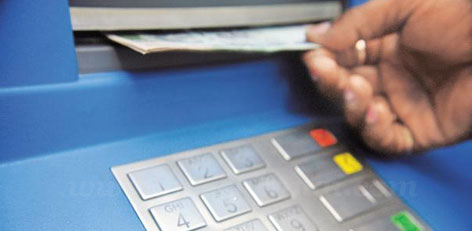
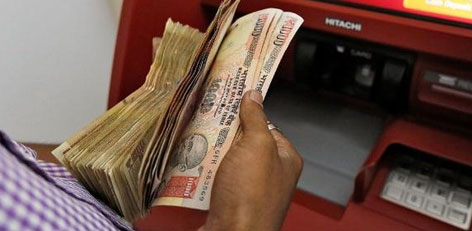
Out of the 2.2 lakh ATM centres present across India, 82,500 of them are set to get shifted so as to disperse new Rs 500 and Rs 2000 notes. In his statement about this, Rithuraj Sinha, said,
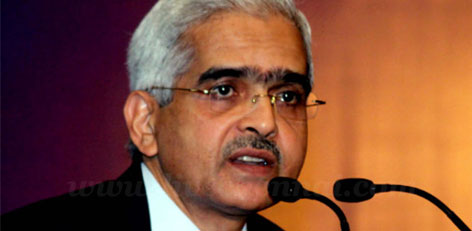
Shaktikanta Das, the Secretary of Economic Affairs has announced that government employees will not be credited with their salary amount as cash. With this, the plea to pay salary as cash is getting rejected.
The finance ministry has announced that the demonetized 500 and 1000 rupees notes cannot be deposited in the savings bank accounts of the post offices.While demonetized currency notes are valid for medical bills.
Gold rate increased Rs.8 per sovereign
...........................................................................................................................
The cost of gold has increased Rs.8 per sovereign on Wednesday morning (Nov 23, 2016).A sovereign was worth Rs.22848.00 and a gram was Rs.2856.00.The cost of 1 gram of pure gold (24K) is now Rs.3001.00.
The Prime Minister, Shri Narendra Modi, has invited views from the people, on the recent decision taken by the Union Government regarding currency notes of Rs. 500 and Rs. 1000.
According to Reserve Bank of India’s reports, only 10 percent of demonetized Rs 500 and Rs 1000 notes are exchanged at banks.Further, in the report, it is stated that the Rs 500 and Rs 1000 notes that were in use was.