

District Collector Office in Nagapattinam
About Nagapattinam District
Welcome to Nagapattinam, a magnificent coastal district universally celebrated as a land of pristine communal harmony and immense historical depth. Carved out of Thanjavur on October 18, 1991, the district spans 1,940 square kilometers and features a spectacular 141-kilometer coastline along the Bay of Bengal. Historically celebrated as the 'Paddy Granary of South India' and 'Naval Pattinam' (The City of Ships), it served as the foremost port for the mighty Chola Empire. Boasting an incredible 2,000-year-old legacy, Nagapattinam is remarkably unique for its profound Buddhist heritage, documented by ancient scholars like Hiuen Tsang and Emperor Ashoka. Over the centuries, its shores have welcomed powerful empires and global traders—from the Pallavas and Vijayanagara Kings to the Portuguese, Dutch, and British. Today, the district beautifully unites people across all faiths, anchored by world-renowned spiritual sites like the Velankanni Church, the Nagore Dargah, and ancient Hindu shrines.
District Admin Units
Local Bodies
Constituencies
General Information
- District: Nagapattinam
- HeadQuarters: Nagapattinam
- State: TamilNadu
- Total Area: 1940.00 Sq.Kms
- Coastline: 141 Kms
Population Details
- Total: 16,16,450
- Male: 7,98,127
- Female: 8,18,323
Ancient Chola Heritage
Referred to as Cholakula Vallippatinam, the district was the premier port of the Chola Kings. King Karikalan masterfully renovated the renowned ancient port of Poompuhar, turning Nagapattinam into a buzzing international trade epicenter. The shores here facilitated deep connections across South East Asia, solidifying its legendary title as the 'City of Ships'.
Epicenter of Buddhism
Uniquely in South India, Nagapattinam holds a massive Buddhist legacy. Texts indicate Emperor Ashoka built a Vihara here in the 3rd century B.C. Later, Pallava King Rajasimha permitted a Chinese king to build a Vihar, and in 1090 A.D., Sri Vijayathunga Varman built the massive Raja Raja Perumpalli. Over 300 spectacular ancient Buddha statues have been excavated from this very soil.
Global Trade & Multi-Faith Legacy
The district famously attracted massive European interest. The Portuguese established a major commercial center in 1554, paving the way for the world-famous Velankanni Church. The Dutch subsequently took over in 1658, minting unique gold coins bearing Tamil letters, before the British took control in 1781. Today, this district perfectly harmonizes ancient Shiva temples, the Nagore Dargah, and massive Christian churches.
Frequently Asked Questions about Nagapattinam District
Who is the current District Collector of
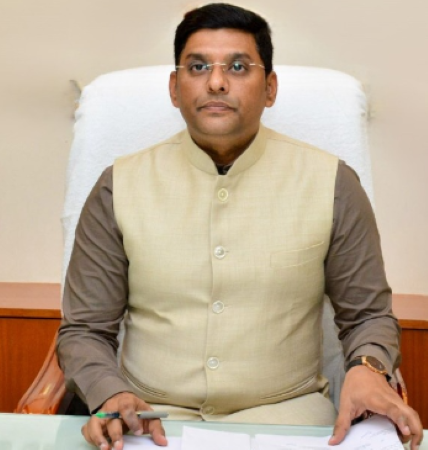
The current District Collector and District Magistrate of Nagapattinam is Thiru K.J. Praveen Kumar, IAS.,.
How can I contact the Nagapattinam District Collector Office?
You can seamlessly contact the Nagapattinam District Collector Office for administrative or grievance purposes by calling the official Phone number at 252700, or by sending an email to [email protected].
How does the Collectorate support the coastal economy?
The administration provides massive support to the vibrant fishing community, offering modern equipment, developing safe harbors, and ensuring a thriving maritime economy.
What are the agricultural strengths of the region?
Located in the lush Cauvery delta, the district is a major producer of paddy. The Collectorate actively implements schemes to support farmers and ensure the prosperity of the rural economy.
How does the administration handle disaster preparedness?
Given its coastal geography, the district administration has developed world-class, highly resilient disaster management systems to ensure the absolute safety of its citizens.

 JB Soft System