
Missed Your EMI Payment? Here's How It Can Affect Your Credit Score and What You Can Do
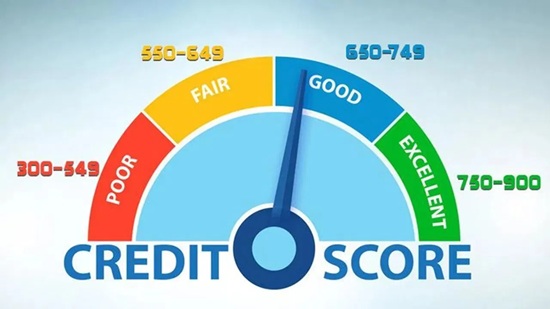
Paying your Equated Monthly Instalment (EMI) on time is essential for maintaining a good credit score. Missing an EMI due date can lead to additional charges, affect your creditworthiness, and reduce your chances of obtaining loans in the future. Here`s what happens if you miss an EMI payment and how you can minimise the impact.
What Happens When You Miss an EMI?
If there is insufficient balance in your savings account on the EMI due date, the automatic debit through ECS or NACH will fail. Even a small shortfall in the account balance can result in the transaction being declined. In some cases, borrowers may simply forget the due date due to their busy schedules.
While a delayed EMI may not have an immediate impact, repeated delays or missed payments can have serious long-term financial consequences.
How Does It Affect Your Credit Score?
Many borrowers are surprised to see their credit score decline even after repaying the entire loan. This happens because banks maintain a record of your repayment history.
Your credit score is affected based on:
- The number of EMI payments missed.
- The number of days each payment was delayed.
- Your overall repayment behaviour.
Repeated late payments can significantly reduce your credit score, making it difficult to obtain future loans or credit cards.
Additional Charges for Missing an EMI
Apart from affecting your credit score, missing an EMI can result in:
- Late payment charges
- Penal interest
- GST on applicable charges
- ECS/NACH return charges
As a result, the total amount payable becomes higher than the original EMI.
Will Missing One EMI Reduce Your Credit Score?
Not necessarily.
Whether a single missed EMI affects your credit score depends on the bank`s internal policies and your repayment history. If you have been a responsible borrower and pay the overdue EMI immediately after receiving a reminder, some banks may choose not to report the delay to credit bureaus.
However, you may still have to pay late payment charges, penalty interest, and applicable taxes.
How Banks Notify Customers
Banks usually send reminders through:
- SMS
- Email
- Phone calls
Ignoring these reminders for an extended period increases the likelihood of the default being reported to credit bureaus, which can lower your credit score.
Why the First Few Days Matter
Financial experts advise borrowers to act immediately after missing an EMI.
Clearing the overdue amount within n the first few days can help prevent additional penalties and reduce the chances of your repayment delay being reported.
Grace Period Offered by Banks
Some banks and financial institutions provide a grace period ranging from 3 to 15 days before reporting a payment default to credit bureaus.
If the overdue amount, along with applicable charges, is cleared within this period, your credit score may remain unaffected.
How Serious Is the Impact?
Your repayment history is one of the most important factors used to calculate your credit score.
Once a delayed payment is reported to a credit bureau, your credit score may decline, reducing your eligibility for future loans. Even if a loan is approved later, you may be required to pay a higher interest rate.
Financial experts note that borrowers who consistently pay their EMIs on time can improve their credit score, while repeated defaults may reduce it by 50 to 100 points, depending on the severity of the delay.
What Should You Do If You Miss an EMI?
Missing an EMI can be stressful, but avoiding communication with your bank only makes the situation worse.
If you are facing temporary financial difficulties:
- Contact your bank immediately.
- Explain your financial situation honestly.
- Clear the overdue amount as soon as possible.
- Request additional time or restructuring if required.
Banks are generally willing to assist borrowers who communicate openly and demonstrate a genuine intention to repay.
Can the Bank Restructure Your EMI?
Yes. Depending on your repayment history and financial condition, banks may offer:
- A revised EMI due date
- A modified repayment schedule
- Temporary repayment relief
- Loan restructuring
However, borrowers with multiple missed EMIs may find it more difficult to receive these concessions.
How to Avoid Missing EMI Payments
To prevent missed payments:
- Maintain sufficient funds in your bank account before the due date.
- Set reminders on your mobile phone or calendar.
- Ensure your salary credit date aligns with your EMI schedule.
- Request a change in the EMI date if necessary.
- Inform your bank immediately if you expect financial difficulties.
Final Takeaway
Missing a single EMI does not permanently damage your credit score. The key is to act quickly, pay the overdue amount without delay, and stay in regular communication with your bank.
Responsible repayment behaviour, timely action, and consistent financial discipline are the best ways to maintain a a strong credit score and improve your chances of securing loans on favourable terms in the future.
Top Stories
-
 Best Veg Restaurants in West Mambalam for South Indian and North Indian Food13/Oct/2026 5:42:33 PM
 -
 Medu Vada in Chennai: The Crispy South Indian Breakfast Favourite13/Oct/2026 5:33:20 PM
 -
 Innovate, Adapt, Grow: The Mindset Behind Future-Ready Businesses13/Oct/2026 5:24:08 PM
 -
 Tomorrow Panchangam October 14, 2026 | Auspicious Timings, Rahu Kalam, Gulikai13/Oct/2026 5:23:26 PM
 -
 JB Soft System Launches a Professional Website for Thiru Exports, Chennai13/Oct/2026 5:10:52 PM
 -
 Tamil Nadu CM Vijay Arrives in Andhra Pradesh to Attend Vijayawada Utsav 2.013/Oct/2026 4:57:16 PM

 JB Soft System