
Beginner-Friendly Crochet Workshop | Learn Crochet with Hands-On Guidance & Materials Included
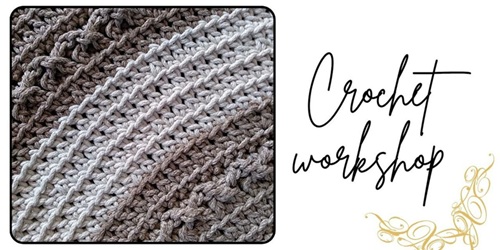
Step into a calm, creative space with our Beginner-Friendly Crochet Workshop, designed for anyone who wants to learn and relax at the same time.
What You’ll Experience:
- Hands-on step-by-step guidance from an expert instructor
- All materials provided - just bring your creativity
- Flexible duration - work at your own pace
- Relaxed, stress-free environment - perfect for solo participants, couples, friends, or families
- Delicious refreshments included
- 1:1, 2:1, or 3:1 formats for personalized attention
Whether you`re learning for the first time or rediscovering a hobby, this workshop is your perfect creative escape!
Top Stories
-
 Tomorrow Panchangam September 24, 2026 | Auspicious Timings, Rahu Kalam, Gulikai23/Sep/2026 5:34:26 PM
 -
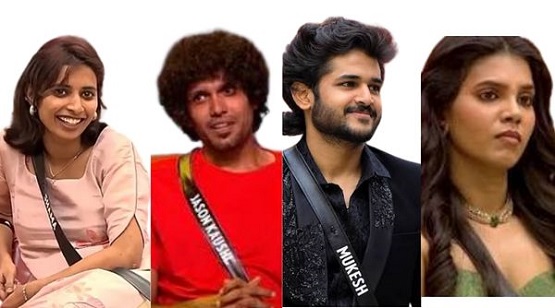 Bigg Boss Tamil 10: Shadhika and Mukesh Recreate Jason-Shama’s Conversation23/Sep/2026 5:10:28 PM
 -
 Sri Chennakesava Perumal Temple Chennai: History, Timings and How to Reach23/Sep/2026 5:08:49 PM
 -
 Ashtalakshmi Temple, Chennai: History, Architecture and Significance23/Sep/2026 4:51:27 PM
 -
 Gold Loan: Key Benefits and Repayment Options Borrowers Should Know23/Sep/2026 4:24:28 PM
 -
 Rain Likely in 5 Tamil Nadu Districts Today: Weather Department Update23/Sep/2026 3:44:53 PM

 JB Soft System