
Gold Prices at Record Highs: What Investors Need to Know About Taxation
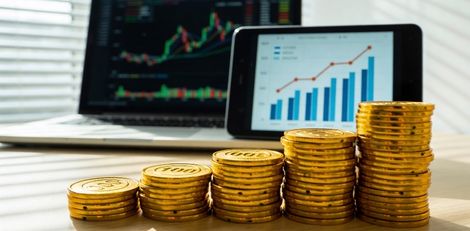
Gold prices in India have touched an all-time high, reshaping how Indians view and invest in the yellow metal. With prices steadily rising, more households are turning to gold to protect their savings, hedge against uncertainty, and diversify their investments.
Traditionally, buying gold in India was simple-people focused only on weight and purity and held it for generations. Today, gold investment options have expanded far beyond jewellery and coins. Investors can now choose from gold bonds, gold ETFs, gold mutual funds, and digital gold. While all these options track gold prices, they differ significantly in taxation.
GST applies when purchasing jewellery and digital gold, while capital gains tax is levied at the time of sale. Gold ETFs and gold mutual funds are treated as financial assets. Gold bonds stand out: although the interest earned on them is taxable, the capital gains are completely tax-free if the bonds are held until maturity.
Many investors mistakenly assume that all forms of gold are taxed the same or that the holding period does not matter. In reality, to qualify for long-term capital gains tax, gold and digital gold must be held for a longer period compared to ETFs and mutual funds. Selling even a few months early can result in higher short-term capital gains tax.
Under current rules, long-term capital gains on most gold investments are taxed at 12.5 percent without indexation. However, sovereign gold bonds enjoy a unique exemption-capital gains are tax-free when redeemed at maturity with the Reserve Bank of India.
For long-term investors, gold bonds remain one of the most tax-efficient and safest options. They offer price appreciation, fixed annual interest, government backing, and tax-free capital gains-provided they are held until maturity.
Top Stories
-
 Chennai Evening Gold Rate: Gold Price Falls by ₹960 per Sovereign12/Oct/2026 7:07:30 PM
 -
 Tomorrow Panchangam October 13, 2026 | Auspicious Timings, Rahu Kalam, Gulikai12/Oct/2026 6:09:31 PM
 -
 E. Udayakumar: Building Bridges of Trust in India’s Construction Industry12/Oct/2026 5:38:31 PM
 -

-
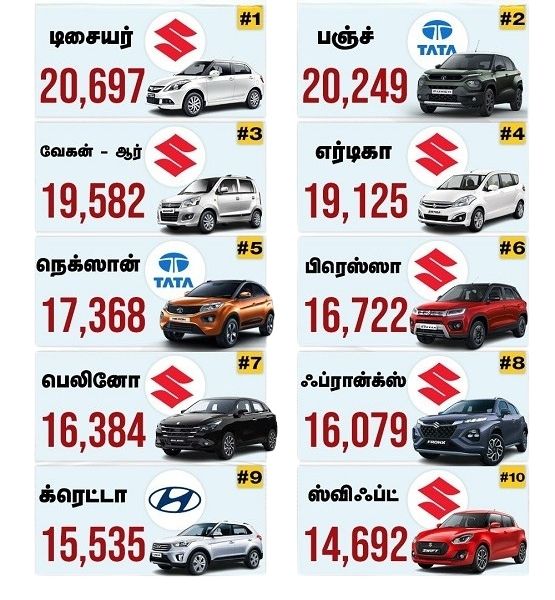 Top 10 Best-Selling Cars in India September 2026: Maruti Baleno Leads12/Oct/2026 5:09:03 PM
 -
 Rising Living Costs Push Chennai Families to Sell Gold Jewellery12/Oct/2026 4:52:16 PM

 JB Soft System