
For drinking water schemes an amount of Rs 158 crores sanctioned
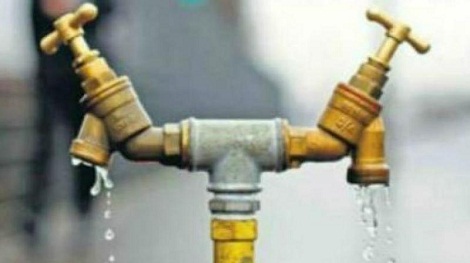
Chennai city and many parts of Tamil Nadu did not receive enough rains during the northeast monsoon is known. The latest news is chief minister of TN, Mr. E. Palaniswamy had sanctioned amount of Rs 158 crores on Thursday, 31st January 2019 for the sake of drinking water supply schemes in Tamil Nadu.
It is said that the people belonging to both rural as well in the urban areas would be benefited by this drinking water supply scheme. It is worthy to mention that amount of Rs 122 crores has been earmarked for Chennai Metro water to take up suitable drinking water supply works in urban and rural areas of TN.
The chief minister of TN gave instructions to the officials at the Secretariat for proper drinking water supply to the people in the coming summer. To complete the ongoing water supply works quickly and put them into use, chief minister of TN wanted Metro water, TWAD Board, Rural Development and MAWS department to take active part. For ensuring the completion of ongoing water supply works and proper distribution of water, the monitoring officers must visit their respective districts atleast three times in the month of February. This was also instructed by the chief minister of TN. It must be taken into account that the chief minister also asked the monitoring officers to check the burning of streetlights.
It was revealed that chief minister Mr. E. Palaniswamy gave instruction to the district collectors to dug new bore wells, replace the damaged pipelines, renovate defunct borewells and convert the defunct borewells into recharge structures. As per municipal administration minister, Mr. S.P. Velumani, both PWD as well as local administration department were doing their best for getting Krishna water from Andhra Pradesh. He assured that Chennai would not face drinking water crisis in this coming summer season.
The minister spoke about the government that is taking steps to fulfil the drinking water needs of the people of Chennai. He explained the fact that Chennai received just 343 mm of rainfall instead of 756 mm of rainfall and said alternative arrangements were made to overcome drinking water scarcity.
Top Stories
-
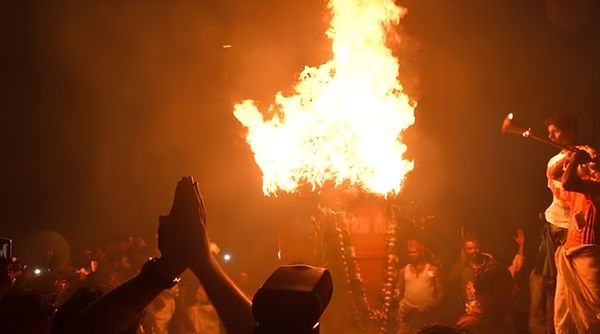 Thirukarthigai Deepam Festival 2026 | Arunachaleswarar Temple, Tiruvannamalai21/Sep/2026 5:36:24 PM
 -
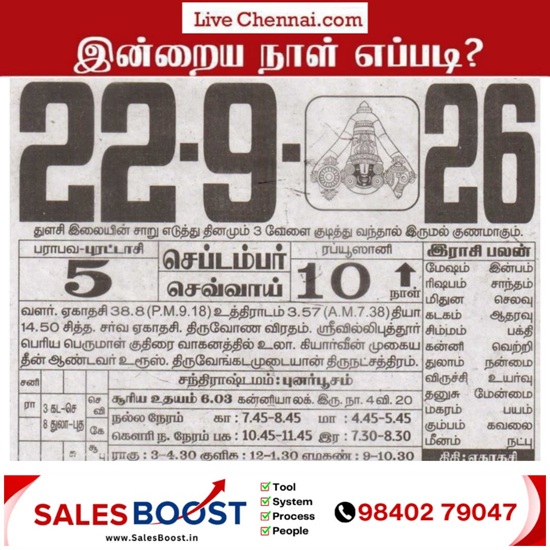 Tomorrow Panchangam September 22, 2026 | Auspicious Timings, Rahu Kalam, Gulikai21/Sep/2026 5:28:45 PM
 -
 Coil Pottery Workshop in Chennai on September 22, 2026: Create Your Own Pottery Masterpiece21/Sep/2026 5:14:44 PM
 -
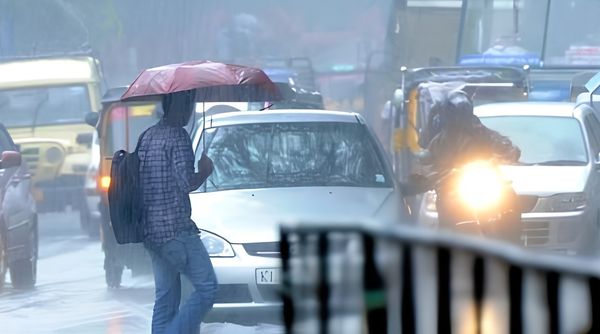 Chennai Rain Alert: Thunderstorms Expected in City and Suburbs Tonight21/Sep/2026 5:12:59 PM
 -
 Chennai Omandurar Public Plaza Project: Key Features & Development | Watch Full Video21/Sep/2026 5:12:05 PM
 -
 Tiruvannamalai Girivalam: Special Train from Villupuram on September 2621/Sep/2026 5:03:34 PM