
Eye Infection: Symptoms, Causes, Treatment & Prevention
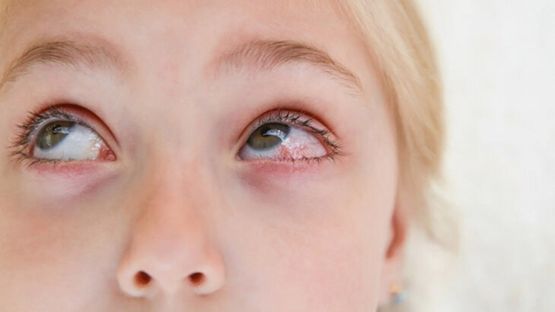
An eye infection occurs when harmful microorganisms such as bacteria, viruses, fungi, or parasites invade the eye and cause inflammation. These infections can affect one or both eyes and may involve different parts of the eye, including the eyelids, conjunctiva, cornea, or tear ducts. While many eye infections are mild and easily treated, some can threaten your vision if left untreated. Seeking prompt medical attention is the best way to ensure proper diagnosis and treatment.
What Is an Eye Infection?
An eye infection develops when microorganisms enter the eye and trigger an infection. The most common type is pink eye (conjunctivitis), which is often caused by viruses but can also result from bacterial infections.
Eye infections can range from minor irritations to serious conditions requiring urgent medical care. Because bacterial, viral, fungal, and parasitic infections require different treatments, it is important to identify the exact cause before starting medication. For example, antibiotics work only against bacterial infections and are not effective for viral eye infections.
How Common Are Eye Infections?
Eye infections are common and affect millions of people worldwide every year. People who wear contact lenses have a higher risk of developing certain eye infections, particularly if lenses are not cleaned properly or are worn longer than recommended.
Common Types of Eye Infections
Several conditions can affect different parts of the eye, including:
- Pink eye (conjunctivitis)
- Blepharitis (eyelid inflammation)
- Stye
- Cellulitis around the eye
- Dacryocystitis (tear sac infection)
- Uveitis
- Endophthalmitis (a serious infection inside the eye)
Symptoms of an Eye Infection
Symptoms may vary depending on the cause and severity of the infection.
Early Symptoms
- Red or bloodshot eyes
- Itching or irritation
- Eye pain or discomfort
- Excessive tearing
- Swollen eyelids
Advanced Symptoms
- Yellow or sticky eye discharge
- Eyelids sticking together, especially after sleeping
- Sensitivity to light (photophobia)
- Blurred vision
- Fever in some cases
If you experience worsening vision, severe pain, or increasing redness, seek medical care immediately.
What Causes Eye Infections?
Eye infections are caused by microorganisms such as:
>- Bacteria
- Viruses
- Fungi
- Parasites
These organisms can enter the eye through contaminated hands, contact lenses, eye injuries, or exposure to infected individuals.
One of the most common causes is improper contact lens care, including:
- Sleeping while wearing contact lenses
- Not cleaning lenses correctly
- Using contaminated lens cases or solutions
- Wearing lenses beyond the recommended time
Common Bacterial Causes
Several bacteria can lead to eye infections, including:
- Staphylococcus aureus
- Streptococcus pneumoniae
- Haemophilus influenzae
- Pseudomonas aeruginosa
- Neisseria gonorrhoeae
- Moraxella species
- Bacillus species
- Members of the Enterobacteriaceae family
Common Viral Causes
The viruses most often associated with eye infections include:
- Adenovirus
- Herpes simplex virus type 1
- Varicella-zoster virus
Fungal Eye Infections
Although less common, fungal eye infections can be serious. They may occur after eye surgery, following an eye injury involving plant material or soil, or when fungi spread through the bloodstream. Common fungal organisms include:
- Candida species
- Fusarium species
How Is an Eye Infection Diagnosed?
A healthcare provider or eye specialist will diagnose an eye infection by:
- Reviewing your medical history
- Discussing your symptoms
- Performing a comprehensive eye examination
- Collecting a sample of eye discharge, when necessary, for laboratory testing
This helps determine the exact cause and ensures the most effective treatment.
Treatment for Eye Infections
Treatment depends entirely on the underlying cause.
Your healthcare provider may recommend:
- Antibiotic eye drops, ointments, or tablets for bacterial infections
- Antiviral medications for certain viral infections
- Antifungal medications for fungal infections
- Lubricating eye drops to relieve irritation
- Over-the-counter pain relievers for discomfort
Antibacterial medications often begin working within 24 to 48 hours, although full recovery may take longer.
Home Care Tips
To help ease symptoms while recovering:
- Apply warm or cool compresses to the affected eye.
- Use artificial tears to reduce dryness and irritation.
- Take over-the-counter pain medication if recommended.
- Avoid rubbing your eyes.
- Stay away from allergens if allergies are triggering your symptoms.
Outlook and Recovery
Most eye infections improve with timely treatment. However, recovery depends on the cause.
- Allergy-related eye irritation is not contagious and usually does not threaten vision.
Top Stories
-
 Today Nalla Neram October 5, 2026 – Rahu Kalam, Yamagandam & Tamil Panchangam03/Oct/2026 6:22:39 PM
 -
 Tomorrow Panchangam October 04, 2026 | Auspicious Timings, Rahu Kalam, Gulikai03/Oct/2026 6:21:18 PM
 -
 Bigg Boss Tamil 10 Day 26: Javeed, Dhanya, Savinya and Ashmitha Face Major Twist03/Oct/2026 5:30:20 PM
 -
 How to Apply for Thai Maaman Thanga Mothiram Thittam 2026?03/Oct/2026 4:27:27 PM
 -
 Tamil Nadu Weather Update: Moderate Rain Expected in 6 Districts03/Oct/2026 3:52:20 PM
 -
 Chennai Flood-Free Areas: 10 Safer Residential Localities - Watch the Full Video03/Oct/2026 3:48:19 PM

 JB Soft System