

Are Carrots Good for Weight Loss? Here’s What You Should Know
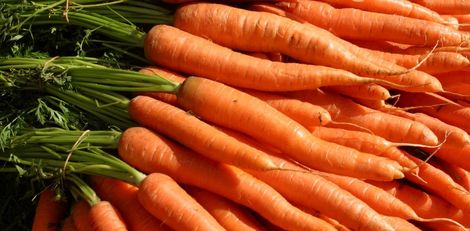

Carrots are crunchy, mildly sweet, and easy to add to daily meals. But many people trying to lose weight wonder if carrots are actually helpful or if their natural sugar can slow progress.
The simple answer is yes, carrots can support weight loss, when eaten in moderation and as part of a balanced diet.
Why Carrots Can Help With Weight Loss
- Low in calories: Around 25-35 calories per 100 g, making them a light snack.
- High in fiber: Fiber helps you feel full longer, reducing overeating.
- High water content: Keeps you hydrated and supports digestion.
- Steady blood sugar response: Fiber slows sugar absorption and helps prevent cravings.
However, no single food causes weight loss on its own. Carrots work best when combined with overall healthy eating and regular activity.
Are Carrots High in Sugar?
No. Carrots contain natural sugars (about 3-5 g per 100 g), which is low compared to many fruits. Their fiber content prevents sharp blood sugar spikes, especially when eaten whole.
Tip: Whole carrots are better than carrot juice. Juicing removes fiber and can raise blood sugar quickly.
Best Ways to Eat Carrots for Weight Loss
- Eat them raw as a snack
- Add grated carrots to salads
- Use them in sabzi, soups, or stir-fries
- Pair with protein or healthy fats for better satiety
Avoid eating very large quantities daily or relying on carrots alone.
Things to Keep in Mind
- Overeating carrots may increase sugar intake
- Excess consumption can cause carotenemia (temporary yellow-orange skin tone)
- Cooked carrots have a slightly higher glycemic index, but are still healthy
How Many Carrots Should You Eat?
There is no fixed rule, but 1-2 servings a day (raw or cooked) is generally safe and beneficial. Portion size should depend on your overall diet and health goals.
Disclaimer:
This content is for general informational purposes only and does not replace professional medical or nutritional advice. Individual dietary needs may vary. Always consult a qualified doctor or registered dietitian before making significant changes to your diet, especially if you have medical conditions.