
What is KYC? How to Stay Safe from KYC Frauds - Financial Experts Share Important Tips
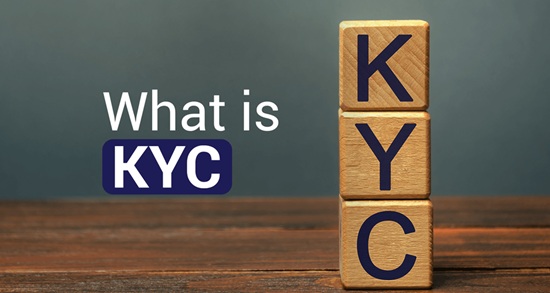
In today`s digital banking era, Know Your Customer (KYC) has become an essential process for accessing financial services such as bank accounts, mutual funds, insurance, stock market investments, and digital payment platforms. KYC helps financial institutions verify a customer`s identity, prevent money laundering, reduce financial fraud, and protect customers from identity theft.
With advancements in technology, the KYC process has evolved into several formats, including KYC, CKYC, e-KYC, Video KYC (V-KYC), and Re-KYC. Understanding these methods can help customers complete verification safely while avoiding cyber fraud.
What is KYC (Know Your Customer)?
KYC is the process through which banks and financial institutions verify the identity of a customer before offering financial services. Customers are typically required to submit government-issued identity and address proof such as an Aadhaar Card, PAN Card, Passport, Voter ID, or Driving Licence.
Traditionally, every bank or financial institution collected and maintained these documents separately as part of its customer verification process.
What is CKYC (Central Know Your Customer)?
Central KYC (CKYC) was introduced to eliminate the need for customers to submit KYC documents repeatedly to different financial institutions.
After completing CKYC once, customers receive a unique 14-digit CKYC Identification Number. This number can be used while opening accounts with banks, mutual funds, insurance companies, and other financial institutions, allowing them to retrieve KYC details from the central database.
What is e-KYC (Electronic KYC)?
e-KYC is a paperless and fully digital verification process that enables quick customer onboarding.
Identity verification is completed using Aadhaar-based OTP authentication or biometric verification such as fingerprint or iris scan. Since physical document submission is not required, account verification can often be completed within minutes.
What is Video KYC (V-KYC)?
Video KYC allows customers to complete identity verification without visiting a bank branch.
During a live video call, an authorised bank official verifies the customer`s identity by checking original documents such as the Aadhaar Card or PAN Card. The official may also capture a live photograph and digital signature as part of the verification process.
This method offers a convenient and secure way to open financial accounts from home.
What is Re-KYC?
Many people believe that KYC is a one-time process. However, customer information such as address, mobile number, occupation, or income may change over time.
Re-KYC is the process of updating these details periodically to ensure customer records remain accurate.
Depepending on the customer`s risk profile, financial institutions generally update KYC records as follows:
- Low-risk customers: Once every 10 years
- Medium-risk customers: Once every 8 years
- High-risk customers: Once every 2 years
- How to Protect Yourself from KYC Frauds
Cybercriminals frequently misuse the KYC process to steal banking information. Customers should follow these safety tips:
- Never share OTP, PIN, CVV, passwords, or internet banking credentials with anyone.
- Do not click on suspicious links received through SMS, WhatsApp, or email claiming to update KYC.
- Complete KYC only through your bank`s official website, mobile app, or branch.
- Verify the authenticity of any phone call claiming to be from your bank.
- Never install unknown remote-access applications at the request of callers.
- Keep your registered mobile number and email address updated with your bank.
- Report suspicious calls, messages, or fraud attempts immediately to your bank.
Final Thoughts
KYC plays a vital role in ensuring the safety of India`s banking and financial system. While digital verification methods such as e-KYC and Video KYC have made the process faster and more convenient, customers must remain vigilant against fraudulent calls and fake KYC update messages.
Completing KYC and Re-KYC only through official banking channels and following basic cyber safety practices will help protect your financial information and ensure uninterrupted access to banking services.
Top Stories
-
 Mahatria's 'This AND That' Online Live Program to Begin in August; Registrations Open on July 303/Jul/2026 10:20:59 AM
 -
 Free Four-Week Yoga Classes to Begin at Five Chennai Centres from July 503/Jul/2026 10:20:37 AM
 -
What is KYC? How to Stay Safe from KYC Frauds - Financial Experts Share Important Tips03/Jul/2026 9:57:15 AM
-
 Chennai Gold Rate Today (July 3, 2026): Gold Prices Surge ₹150, Silver Rises ₹5 Per Gram03/Jul/2026 9:51:25 AM
 -
 Power Shutdown Areas in Chennai - Saturday (04-07-2026)03/Jul/2026 9:43:50 AM
 -
 Chennai Corporation to Conduct Special Property Tax Collection Camps from July 303/Jul/2026 9:39:31 AM