
Seven New High-Speed Rail Corridors Announced to Connect Major Cities
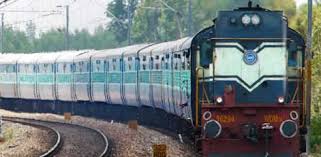

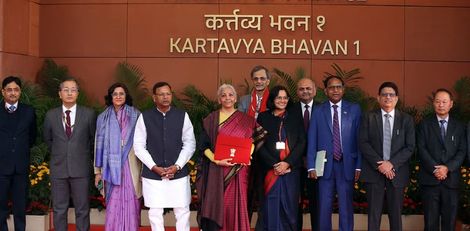
In the Union Budget 2026-27, Finance Minister Nirmala Sitharaman announced plans to develop seven new high-speed rail corridors to strengthen connectivity between major urban and economic hubs. These corridors are being positioned as “growth connectors” aimed at promoting faster, eco-friendly travel and boosting long-term economic development.
The announcement is part of the government’s larger infrastructure expansion drive. Following the budget speech, railway-related stocks witnessed positive movement, reflecting investor optimism over increased capital investment in the sector.
Proposed High-Speed Rail Corridors:
- Mumbai – Pune: Linking major financial and commercial centres in western India
- Pune – Hyderabad: Connecting Maharashtra with Telangana’s business hub
- Hyderabad – Bengaluru: Strengthening ties between major technology corridors
- Hyderabad – Chennai: Improving access to the southern port city
- Chennai – Bengaluru: Enhancing inter-city mobility in South India
- Delhi – Varanasi: Boosting connectivity in the north-central region
- Varanasi – Siliguri: Expanding access to eastern and northeastern India
According to officials, these routes are designed to reduce travel time, improve passenger convenience, and support trade and tourism across regions.
The government also highlighted that high-speed rail will help shift passenger traffic from roads and short-haul flights, easing congestion and lowering carbon emissions. In addition to passenger transport, the initiative is expected to stimulate growth in rail manufacturing, infrastructure services, and technology sectors.
Alongside passenger rail projects, the budget also proposes a dedicated east–west freight corridor between Dankuni and Surat to improve cargo movement and logistics efficiency.
While project timelines and investment details are yet to be finalised, the announcement signals a strong push towards modernising India’s transport network and strengthening inter-city economic integration.