
Sethu Express to Operate From Tambaram Due to Egmore Station Renovation - Southern Railway Update
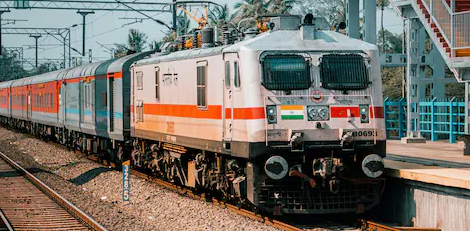
The Southern Railway has announced temporary changes in the operation of the Sethu Express due to ongoing renovation and redevelopment works at Chennai Egmore railway station.
Sethu Express Service Changes
The Rameswaram – Chennai Egmore Sethu Express will be short-terminated at Tambaram from February 19 to April 5.
The train will arrive at Tambaram at 6:35 AM instead of Egmore.
The Chennai Egmore – Rameswaram Sethu Express will originate from Tambaram instead of Egmore from February 20 to April 6.
Departure time from Tambaram: 6:25 PM.
Route Impact
Passengers traveling between Rameswaram and Chennai should note that services will not operate to or from Egmore during this period. Tambaram will serve as the temporary terminal station.
Passenger Advisory
Southern Railway has requested passengers to plan their journey accordingly and make necessary travel arrangements to and from Tambaram during the renovation period.
These temporary changes are part of infrastructure modernization efforts aimed at improving facilities and passenger experience at Chennai Egmore station.
Top Stories
-
 Give Back to Your Roots: Sponsor a Website for Your Native Village19/Oct/2026 2:36:14 PM
 -
-
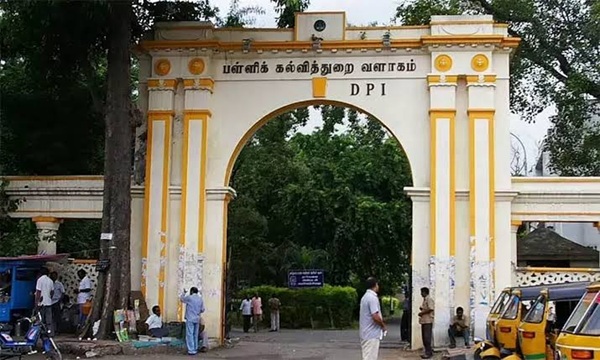
 Tamil Nadu Government Considers Island Grounds for New Chennai Secretariat Complex19/Oct/2026 2:22:53 PM
 -
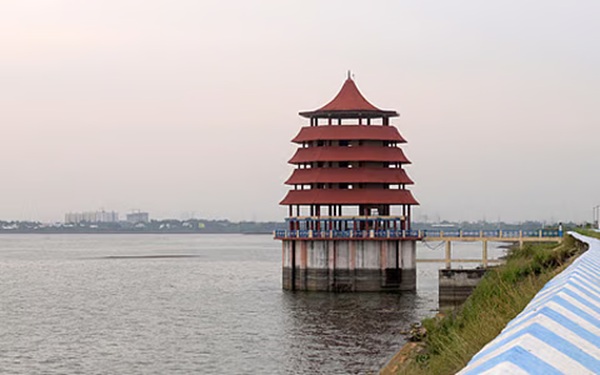 Chennai Rains: Chembarambakkam and Puzhal Lakes Receive Increased Inflows After Heavy Rainfall19/Oct/2026 12:44:55 PM
 -
 Champions Crowned at the MCC-Murugappa TN U-17 Inter-Schools Hockey Tournament 202619/Oct/2026 12:00:31 PM
 -
 TTD Venkatadri App Launch: Tirumala Navigation, AI Assistant and Offline Maps19/Oct/2026 11:54:50 AM

 JB Soft System