
Tamil Nadu Weather Update: Light Rain Likely in South and Delta Districts on Feb 4 & 5
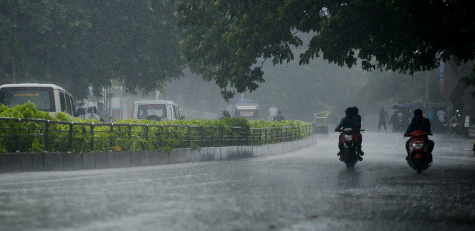
A low-level atmospheric circulation is prevailing over Lakshadweep and the adjoining southeast Arabian Sea, according to weather officials. Due to this system, light rain is likely at isolated places across South Tamil Nadu, delta districts, and Karaikal on Wednesday and Thursday (February 4 and 5).
Other parts of Tamil Nadu and Puducherry are expected to experience dry weather conditions during this period.
Cold Morning Conditions in Northern and Western Districts
On Wednesday (February 4), moderate morning mist and fog are likely in districts including Nilgiris, Salem, Krishnagiri, Dharmapuri, Tirupattur, Vellore, and Ranipet, especially during the early morning hours.
Chennai Weather Forecast
In Chennai and its suburban areas, the sky is expected to remain partly cloudy.
- Maximum temperature: around 86°F (30°C)
- Minimum temperature: around 69°F (21°C)
Residents are advised to stay updated with local weather bulletins, especially those traveling early in the morning due to possible fog in interior districts.
Top Stories
-

-
 Poonamallee - Vadapalani Metro Feeder Bus Service to Be Introduced10/Oct/2026 9:24:13 AM
 -
 LuLu Hypermarket Chennai Opening on October 12, 202609/Oct/2026 8:42:30 PM
 -
 Chennai Book Fair 2027: 50th Edition to Run from January 7 to 19 at Nandanam09/Oct/2026 7:38:55 PM
 -
 Tomorrow Panchangam October 10, 2026 | Auspicious Timings, Rahu Kalam, Gulikai09/Oct/2026 5:46:08 PM
 -
 Chennai Metro Water Grievance Meeting on October 10 at 15 Offices09/Oct/2026 5:00:27 PM

 JB Soft System