
Does Intermittent Fasting Really Work? What You Should Know Before Skipping Meals
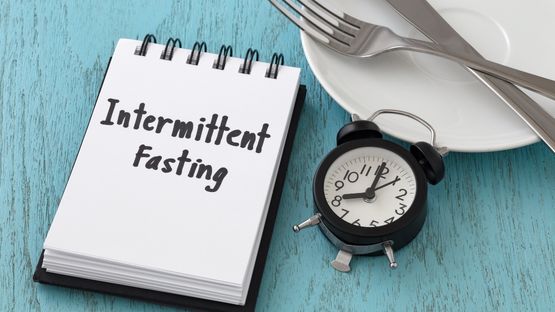
Intermittent fasting has become a popular approach to weight management. It focuses on when you eat rather than what you eat, with some methods limiting food intake to specific hours or skipping certain meals.
But does intermittent fasting actually help with weight loss, and is it suitable for everyone?
The answer depends on the individual. Intermittent fasting can help some people lose weight, but it is not necessarily more effective than other approaches that reduce overall calorie intake.
What Is Intermittent Fasting?
Intermittent fasting, also known as time-restricted eating, involves limiting the hours during which you eat. Some people follow specific eating windows, while others regularly skip meals.
Can Intermittent Fasting Help With Weight Loss?
Research suggests that intermittent fasting can support weight loss, but its results may be similar to those achieved through traditional calorie restriction.
For many people, the bigger factor is overall calorie intake rather than simply the timing of meals.
However, fasting may not work well if skipping meals causes extreme hunger, overeating, or poor food choices later in the day.
When Might Intermittent Fasting Work?
Some people naturally have little appetite in the morning and find it easier to eat two balanced meals rather than follow three traditional meals.
The important question is how you feel when it is time to eat again. If fasting leaves you extremely hungry and causes you to overeat, it may not be the right approach for you.
Is Skipping Breakfast Bad?
Breakfast is often the first meal people skip, but its importance varies from person to person.
People who eat breakfast may consume more nutrients such as protein, fiber, calcium, and folate. Some research has also linked regular breakfast consumption with better overall diet quality.
Instead of automatically skipping breakfast, pay attention to how you feel later in the day. If you can maintain balanced portions without it, skipping breakfast may work for your routine. If you become extremely hungry by lunchtime, a nutritious morning meal may be beneficial.
What About Metabolism?
Weight loss can affect how many calories your body needs to maintain your new weight. Meal timing alone is not a reliable way to increase metabolism.
Regular physical activity, particularly strength training, can help maintain or build muscle and support healthy metabolism. Aerobic exercise is also important for cardiovascular health and overall fitness.
How to Eat More Sustainably
Whether you choose intermittent fasting or not, these habits can make healthy eating easier:
Plan Meals Ahead
Preparing meals or snacks in advance can help reduce last-minute unhealthy food choices.
Pay Attention to Hunger
Don`t automatically skip meals. Notice how your body responds to fasting and whether it affects your hunger and food choices later.
Choose Nutrient-Rich Foods
Focus on balanced meals that provide adequate protein, fiber, vitamins, minerals, and healthy sources of energy.
The Bottom Line
Does intermittent fasting work? It can work for some people, but it isn`t a universal solution for weight loss.
A sustainable eating pattern should provide consistent energy, adequate nutrition, and manageable hunger while fitting comfortably into your lifestyle.
The best approach is not necessarily the latest fasting trend, but an eating pattern you can maintain while supporting your long-term health.
Disclaimer
This article is for general informational and educational purposes only and is not a substitute for professional medical or nutritional advice. Individual nutritional needs vary. If you have a medical condition, take medication, are pregnant or breastfeeding, or are unsure whether intermittent fasting is appropriate for you, consult a qualified healthcare professional or registered dietitian.
Top Stories
-
 Aadi Amavasai: Paid Darshan Cancelled at Rameswaram Temple Tomorrow11/Aug/2026 10:27:53 AM
 -
Does Intermittent Fasting Really Work? What You Should Know Before Skipping Meals11/Aug/2026 10:27:03 AM
-
 The White Clouds of Chennai: Why the Humble Idly Rules the City’s Culinary Soul11/Aug/2026 10:14:24 AM
 -
 Tiruvallur New Bus Terminus Opens to Public Five Months After Inauguration11/Aug/2026 10:06:36 AM
 -
 Chennai Weather: Moderate Rain Brings Relief From Heat, More Showers Expected11/Aug/2026 10:00:29 AM
 -
 Chennai Gold Rate Today, August 11, 2026: 22K Gold Rises ₹30011/Aug/2026 9:51:40 AM