
Eating Too Fast: How It Affects Digestion and Causes Bloating

Eating too quickly can cause digestive problems such as bloating, gas, indigestion, and heartburn. When you eat fast, you may swallow larger pieces of food without chewing properly. This makes the stomach work harder to break down food. Eating quickly can also cause you to swallow more air, which may lead to gas and bloating.
How Does Eating Too Fast Affect Digestion?
Proper chewing breaks food into smaller pieces and mixes it with saliva, which starts the digestion process. Eating too quickly may result in:
- Indigestion: Food may take longer to digest, causing discomfort.
- Acid reflux: Eating too much too quickly may increase the risk of heartburn.
- Bloating and gas: Swallowing extra air can increase gas.
- Slower digestion: Larger food particles can make digestion more difficult.
Why Can Eating Fast Lead to Overeating?
The brain needs time to recognize fullness. When you eat quickly, you may consume more food before feeling satisfied. Eating slowly gives your body more time to respond to hunger and fullness signals, which may help prevent overeating.
Benefits of Eating Slowly
Eating slowly can:
- Help you chew food properly.
- Support the natural digestion process.
- Reduce bloating and gas.
- Give your brain more time to recognize fullness.
- Encourage mindful eating.
Tips to Eat More Slowly
1. Chew thoroughly before swallowing.
2. Take smaller bites and eat at a comfortable pace.
3. Put your cutlery down between bites.
4. Avoid distractions such as phones and television while eating.
5. Sip water between bites.
6. Spend at least 20 minutes eating your meal.
Disclaimer: This article is intended for general informational purposes only. The information provided should not be considered medical advice or a substitute for professional consultation. If you have persistent or severe digestive problems, consult a qualified healthcare professional.
Top Stories
-
 CM Vijay Announces Olympic City and Motor Sports City in Chennai03/Sep/2026 11:43:01 AM
 -
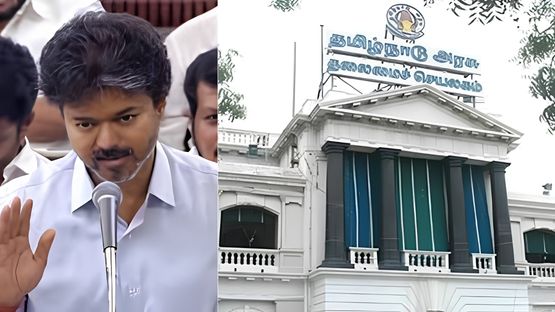 Tamil Nadu to Build New Secretariat and Assembly Complex in Chennai at Rs 1,200 Crore03/Sep/2026 11:17:53 AM
 -
Eating Too Fast: How It Affects Digestion and Causes Bloating03/Sep/2026 11:06:46 AM
-
 Tamil Nadu MD Yoga and Naturopathy Admission 2026: Application Deadline Extended03/Sep/2026 10:52:17 AM
 -
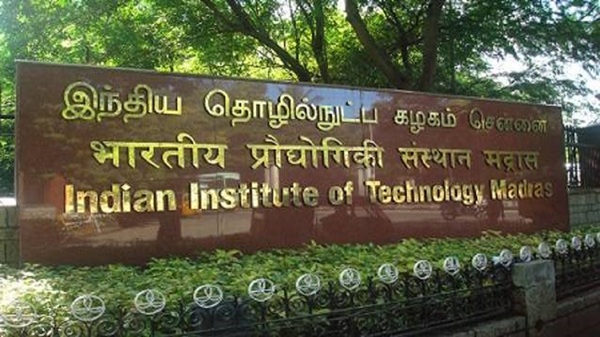 IIT Madras Launches Multi-Cloud and Cybersecurity Programme for Students and Professionals03/Sep/2026 10:11:44 AM
 -
 North Chennai Water Supply: ₹4,800 Crore Desalination Project Planned in Minjur03/Sep/2026 10:07:58 AM