
Drooling While Sleeping: Causes, Reasons and Warning Signs
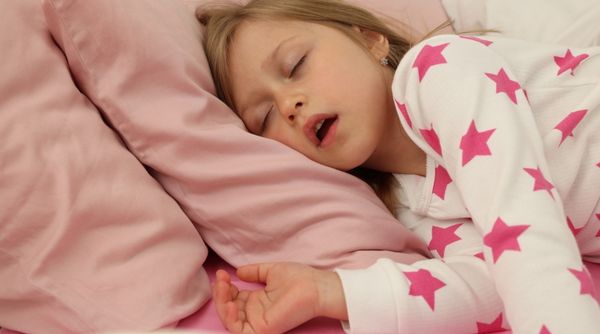
Drooling while sleeping is common and may happen occasionally, especially when a person is very tired or sleeps with their mouth open. In most cases, occasional drooling is not a major concern.
However, if you regularly wake up with a wet pillow, it may be worth looking at the possible underlying causes. Several factors, ranging from nasal blockage to sleep-related breathing problems, can contribute to excessive drooling during sleep.
Sleep Apnea
Sleep apnea is one possible cause of drooling at night. People with this condition may have repeated interruptions in breathing while asleep. They may breathe through their mouth, which can allow saliva to flow out.
Loud snoring, morning headaches, excessive daytime sleepiness and frequent nighttime awakenings can also occur with sleep apnea. Persistent symptoms should be discussed with a healthcare professional.
Mouth Breathing
Nasal congestion, allergies, sinus problems or a deviated nasal septum can make it difficult to breathe comfortably through the nose. As a result, some people may sleep with their mouth open, increasing the chance of drooling.
Mouth breathing can have different causes, so identifying and treating the underlying problem is important.
Acid Reflux and Indigestion
Acid reflux can irritate the throat and may sometimes increase saliva production. This can contribute to nighttime coughing, throat discomfort and drooling in some people.
Colds, Allergies and Throat Problems
Colds, seasonal allergies, sinus congestion and throat infections can block the nose or make swallowing uncomfortable. These conditions may increase mouth breathing and contribute to saliva leaking from the mouth during sleep.
Dental and Jaw-Related Problems
People who grind or clench their teeth while sleeping may sometimes keep their mouth partially open. Jaw alignment problems can also affect how well the lips close during sleep, which may contribute to drooling.
Neurological Conditions
Swallowing normally happens automatically, including during sleep. Certain neurological conditions can affect swallowing and the ability to control saliva.
Conditions that affect muscle control or swallowing may therefore be associated with excessive drooling. If drooling is persistent and accompanied by difficulty swallowing or other neurological symptoms, medical evaluation is important.
When Should You See a Doctor?
Occasional drooling usually does not require medical attention. However, consult a healthcare professional if it happens frequently or is accompanied by:
* Loud or persistent snoring
* Gasping or pauses in breathing during sleep
* Morning headaches
* Excessive daytime sleepiness
* Difficulty swallowing
* Persistent nasal blockage
* Other new or unusual symptoms
Depending on the symptoms, a doctor may recommend further evaluation, including a sleep study when sleep apnea is suspected.
Disclaimer: This article is for general informational purposes only and should not be considered a substitute for professional medical advice, diagnosis, or treatment.
Top Stories
-
 Dengue Cases Rise in Tamil Nadu: 17,649 Cases Reported So Far23/Sep/2026 12:41:29 PM
 -
 10th and 12th Public Exam: Government Issues New Name Entry Rules for Students23/Sep/2026 12:29:16 PM
 -
 Chennai Traffic Changes on OMR, Thoraipakkam23/Sep/2026 12:06:17 PM
 -
Drooling While Sleeping: Causes, Reasons and Warning Signs23/Sep/2026 11:57:57 AM
-
 Chennai Metro Phase 2: 14.64 Km Stretch Awaits Inauguration Date23/Sep/2026 11:38:55 AM
 -
 Bank Employees Announce Three Day Nationwide Strike From September 2823/Sep/2026 10:57:27 AM