
Who Is Liable for Challans After You Sell Your Car? The Legal Answer Most Sellers Miss
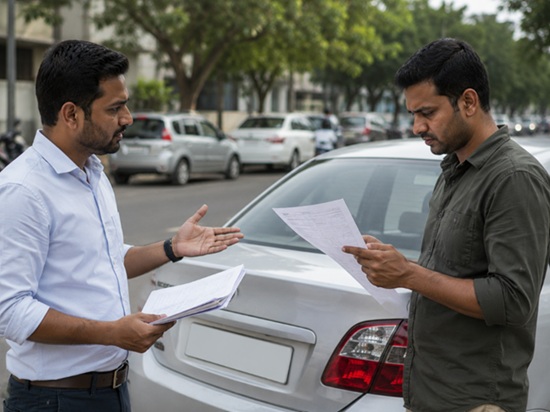
On paper, liability follows the registered owner. If a challan is issued while the RC still shows your name, the system will route it to you, even if you no longer have the car. This is the core problem sellers miss: handing over keys does not remove your name from the record.
The way out is to complete the RC transfer quickly and to keep proof that you sold and handed over the car on a specific date. Sellers who can show a signed sale document and a delivery record are in a far stronger position when a challan appears.
This is the gap that post-sale protection is designed for. Some organised platforms address it directly: Cars24’s Seller Kavach cover runs from handover until the RC transfer is completed and the seller`s name is removed from VAHAN, covering e-challans and certain liabilities in that window..
What about accidents or crimes before RC transfer completes?
This is the more serious exposure. If the car is involved in an accident or misused before the transfer is recorded, the registered owner can be drawn into the matter. The practical risk is that your name surfaces first because the database still points to you.
Documented handover and timely intimation of sale to the RTO are what separate you from the vehicle`s later use. The stronger your paper trail, the easier it is to show the car left your control on a known date. This is general information and not a substitute for legal advice on a specific incident.
Default liability by event before RC transfer
|
Event before transfer |
Default record points to |
What documented handover does |
|
E-challan issued |
Registered owner (you) |
Sale proof and intimation support a correction request |
|
Minor accident |
Registered owner (you) |
Handover proof helps show the car left your control |
|
Criminal misuse |
Registered owner (you) |
Dated sale and intimation records limit your exposure |
|
Insurance claim by buyer |
Depends on policy transfer |
Proof of sale clarifies the transfer date |
|
Post-sale protection cover |
Optional add-on |
Cars24 states Seller Kavach covers e-challans and certain liabilities from handover until name removal from VAHAN |
What is the risk window between handover and name removal?
The risk window is the gap between the day you hand over the car and the day your name is removed on VAHAN. During this window, anything the car does can default to you in the records. The window can last weeks because RTO processing varies.
This is exactly why the transfer should be started immediately and tracked to completion. The faster the buyer`s name replaces yours, the shorter your exposure. Treat the period as active risk, not a waiting room. In case the car was sold to an organised player such as Cars24, Seller Kavach keeps you shielded from all these risks, not only challans.
What proof protects you during this window?
Keep a written, signed sale agreement that records the date, price, and both parties` details. Keep a delivery note or handover receipt showing when the car physically left you. Keep copies of Form 29 and Form 30, and note the date you submitted intimation of transfer to the RTO.
Photographs of the odometer and the car at handover, plus the buyer`s ID and contact details, add weight. The liability table below maps common events to who is on record and how documentation changes your position.
What should you do if a challan reaches you after the sale?
Do not ignore it. First, check the challan details on the official e-challan portal to confirm the date and offence. If the offence date is after your handover, gather your sale proof and intimation record.
Then raise the matter with the issuing authority or RTO, providing the sale agreement, delivery proof and transfer intimation. If the RC was never transferred, push the buyer to complete it and send fresh intimation to the RTO. For a contested or serious case, consult a lawyer. This is general guidance, not legal advice.
Key terms defined
Challan: A penalty notice for a traffic or vehicle offence, often issued electronically.
Registered owner: The person whose name appears on the RC and in VAHAN records.
Intimation of transfer: A notice sent to the RTO informing it that the vehicle has been sold.
Risk window: The period between handover and the removal of your name from records.
Delivery note: A document recording the date the car was physically handed to the buyer.
Limitations and edge cases
Liability outcomes depend on the facts of each case, the state, the RTO and the authority handling it, so no article can promise how a specific matter will resolve. Documentation strengthens your position but does not automatically remove a record while the RC is unchanged. Some protection services cover this post-sale window; their scope and exclusions vary and should be confirmed in writing. This is general information and not legal advice.
Why this matters for sellers
The seller`s biggest exposure is the gap between handover and name removal, not the price. Whether you rely on documentation alone or on a protection add-on such as Cars24 Seller Kavach, the goal is the same: close the window quickly and keep proof.
Top Stories
-
 Laxmi Jewellery & Co. to Grandly Reopen Renovated Showroom in Chennai on August 3026/Aug/2026 8:17:41 PM
 -
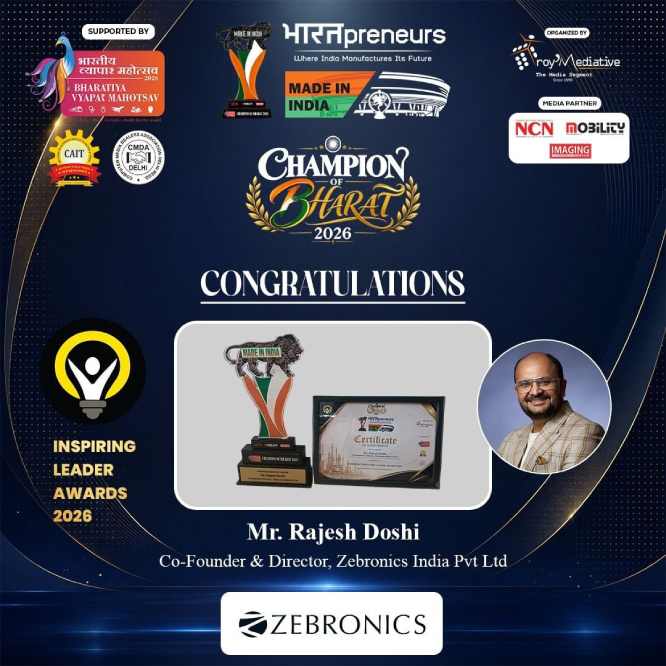 Chennai’s Zebronics Co-Founder Rajesh Doshi Wins Inspiring Leader Award 202626/Aug/2026 7:55:59 PM
 -
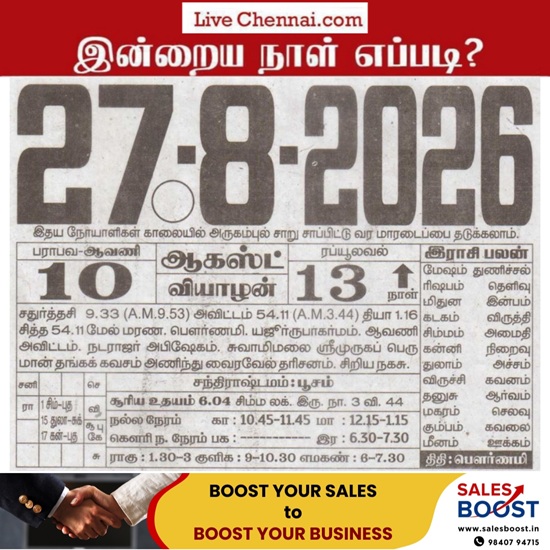 Tomorrow Panchangam August 27, 2026 | Auspicious Timings, Rahu Kalam, Gulikai26/Aug/2026 5:01:47 PM
 -
 Chennai, 4 Other Districts Get ₹42 Crore for Northeast Monsoon Preparedness26/Aug/2026 4:52:37 PM
 -
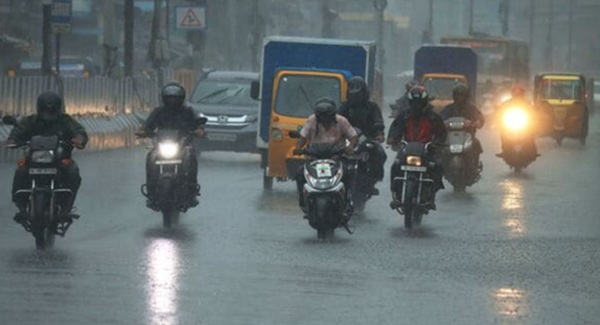 Tamil Nadu Weather: Moderate Rain Likely in 13 Districts Today26/Aug/2026 4:48:45 PM
 -
 Gold Investment 2026: Gold Prices Rise Again - Will the Upward Trend Continue?26/Aug/2026 4:42:19 PM