
Foot Corns: Causes, Treatment and Prevention Tips
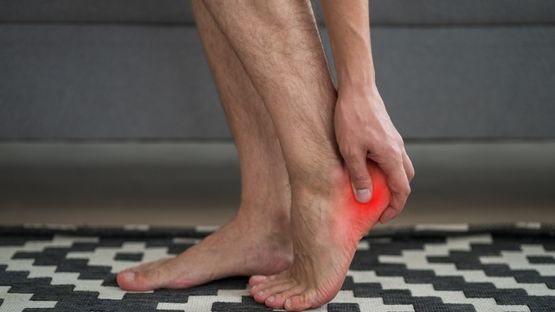
You can often treat foot corns with over the counter products and home remedies. You may also be able to prevent them by taking certain precautions, including wearing comfortable, properly fitting shoes.
Foot corns are hardened layers of skin that develop as a response to friction and pressure. You may have foot corns if you notice the following symptoms on the tips or sides of your toes:
- Rough, tough, yellowish patches of thickened skin.
- Skin that is sensitive to touch.
- Pain when wearing shoes.
Read on for tips on treating existing corns and reducing your chances of developing new ones.
Where Do Foot Corns Develop?
Corns can form in several areas of the feet, including:
- Below the toenail bed.
- Between the toes.
- On the sides of the feet.
- On the bottoms of the feet.
- On the tops of the toes.
They most commonly develop on the tops of the toes.
What Do Foot Corns Look Like?
Foot corns are hardened, thickened areas of skin that may have a yellowish appearance.
What Causes Foot Corns?
Foot corns can develop from wearing shoes that are too tight or do not fit properly. Standing or walking for long periods can also cause painful corns on the bottoms of the feet because of constant pressure and friction.
Some people may be more likely to develop corns because of the way they walk or the structure of their feet.
Corns develop as the body’s natural way of protecting the feet from further damage, although they can become painful.
How Can You Treat Foot Corns?
If you have a corn, you can try some methods to manage it at home. You should also replace any shoes that cause rubbing or pressure.
File Away the Corn
You may be able to gradually remove a corn by gently filing it down. Follow these steps:
1. Soak your feet in a warm bath with Epsom salts.
2. After soaking, pat your feet dry with a clean towel and apply a moisturizing lotion or cocoa butter.
3. Continue this process daily until the corn becomes soft.
4. Once the corn has softened and is no longer painful, gently rub it with a pumice stone.
5. If the corn is between your toes, you can gently use an emery board, or nail file, to rub the area.
6. Repeat these steps until the corn disappears, which may take several weeks.
Avoid cutting or damaging your skin while filing ththe corn. Be gentle and stop if you experience pain.
Apply Castor Oil and Corn Pads
Another method is to soak your feet daily as described above and then follow these steps:
- Pat your feet dry and apply castor oil to the corn. This vegetable-based oil is available at many pharmacies.
- After moisturizing the corn with castor oil, protect it with a corn pad, which can help reduce pressure on the area and allow the corn to heal.
- Wear loose, comfortable socks after applying the oil. Castor oil can stain clothing.
- Continue the process, as the corn may take several weeks to heal.
You can also purchase corn pads containing salicylic acid, which helps remove dead layers of skin. These are commonly available in the foot-care section of pharmacies.
However, home corn-removal methods may not be safe for people with certain health conditions, including diabetes. If you have diabetes or another condition that affects your feet, speak with a healthcare professional before attempting to remove a corn yourself.
Disclaimer: This information is for general awareness only. Consult a doctor if the corn is painful, infected, or does not improve.
Top Stories
-
 Krithigai September 2026: Date, Nakshatram Timings and Karthigai Viratham31/Aug/2026 12:56:56 PM
 -
 How Gold Loan Companies Are Adapting to Updated RBI KYC Compliance Norms31/Aug/2026 12:56:32 PM
 -
 Amavasya September 2026: Date, Tharpanam Timings and Important Ritual Details31/Aug/2026 12:26:29 PM
 -

-
Foot Corns: Causes, Treatment and Prevention Tips31/Aug/2026 11:40:31 AM
-
 Milk Procurement Price Hiked by Another Rs. 3: Chief Minister Vijay Announces31/Aug/2026 11:15:25 AM