
Is Surgery Always Required to Treat Gallbladder Stones?
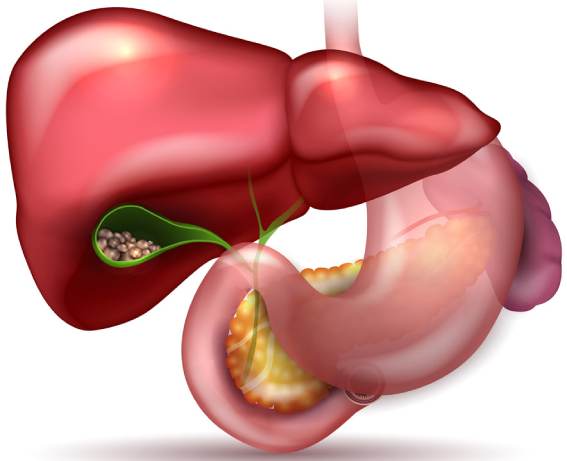
A 34-year-old working mother with two children undergoes a routine health check, and an ultrasound scan reveals multiple gallstones, including one measuring 1.5 cm. She has never experienced pain or discomfort and feels well. She now faces two choices.
The first is to leave the stones untreated until symptoms develop. She may remain symptom-free for years and never require treatment. However, there is no reliable way to predict whether or when the stones will cause trouble. A stone may block the gallbladder outlet and trigger severe pain or inflammation, while a smaller stone may enter the bile duct and cause jaundice or pancreatitis (inflammation of pancreas). If a complication develops, she may require urgent hospital admission and treatment, potentially making the procedure and recovery more complicated.
The second choice is to take a proactive approach and consider elective laparoscopic surgery after discussing her risk with a surgeon. Because the procedure is performed while she is otherwise well, she can arrange leave from work, organize support for her children, and undergo surgery under controlled circumstances. The gallbladder and stones can be removed before they cause complications, followed by a relatively short recovery.
This is the dilemma many people face when gallstones are discovered incidentally: should they wait for symptoms, try medication or consider surgery before a problem develops? For those already experiencing symptoms, the decision may be more straightforward.
Let’s first understand what gallstones are. These are hardened deposits that form in the gallbladder, a small organ beneath the liver that stores bile, a yellow-green fluid used to digest fats. Most are linked to an imbalance in the composition of bile, causing cholesterol or other substances to crystallize. Some people never experience symptoms, while others develop pain, inflammation or potentially serious complications.
Can gallstones be treated with medication? Yes, but only in a limited role. Oral bile-acid medicines may gradually dissolve certain small cholesterol stones in carefully selected patients, particularly when surgery is unsuitable. However, treatment can take several months or even years, does not work for all types of stones, and the stones may form again after treatment is stopped. Medicines cannot reliably treat multiple, large or calcified stones, or complications such as gallbladder inflammation. Painkillers may relieve an episode of pain, but they do not remove the stones or prevent future attacks.
Surgery is the most definitive treatment, but whether and when it is required must be tailored to the individual. If gallstones are detected incidentally, a younger person in their 30s with multiple stones may benefit from surgery because of the greater lifetime possibility of developing symptoms or complications. In contrast, observation may be more appropriate for an 80-year-old who has no symptoms and has several medical conditions that substantially increase the risks of surgery. The decision should consider the person’s symptoms, age, number and size of stones, overall health and individual surgical risk.
Surgery is generally advised when gallstones cause repeated upper abdominal pain, nausea or vomiting, gallbladder inflammation, jaundice, bile duct obstruction or pancreatitis (inflammation of pancreas). Gallstone pain commonly occurs in the upper abdomen, often after a heavy or fatty meal, and may spread to the back or right shoulder. Recurrent pain should not repeatedly be dismissed as gas or indigestion.

The standard procedure is laparoscopic cholecystectomy, in which the gallbladder is removed through a few small incisions in the abdomen. Removing only the stones and leaving the gallbladder behind is generally not useful because stones can form again. The body can function normally without the gallbladder, as bile continues to travel directly from the liver to the intestine.
Laparoscopic gallbladder removal has been widely performed since the 1990s and is now a well-established operation. It generally involves smaller incisions, less postoperative discomfort, a shorter hospital stay and an earlier return to routine activities. Like any operation, it carries risks, which should be discussed with the surgeon.
Therefore, not everyone with gallstones needs immediate surgery. However, symptoms should not be ignored and treatment should not be delayed until a complication forces the decision. For some, careful observation is appropriate; for others, timely surgery offers the safer course. The right choice depends not only on what the ultrasound shows, but on the person behind it.
Dr KJ Raghunath, Senior Consultant, Department of Surgery, Apollo Hospitals, Chennai
Top Stories
-

-
 Tamil Nadu Schools and Parks to Be Developed Across the State: CM Vijay Announces New Plans02/Sep/2026 12:58:40 PM
 -
Is Surgery Always Required to Treat Gallbladder Stones?02/Sep/2026 12:56:16 PM
-
 Diwali 2026 Train Ticket Booking Dates Announced: Check When to Book02/Sep/2026 12:26:54 PM
 -
 Tamil Nadu to Introduce Digital Driving Licence and RC From September 1502/Sep/2026 12:23:22 PM
 -
 From Marundeeswarar to Mahabalipuram: A Temple Trail Through Thiruvanmiyur and the ECR02/Sep/2026 12:16:39 PM