
PF Withdrawal Rules Changed: Government Explains New EPF Rules
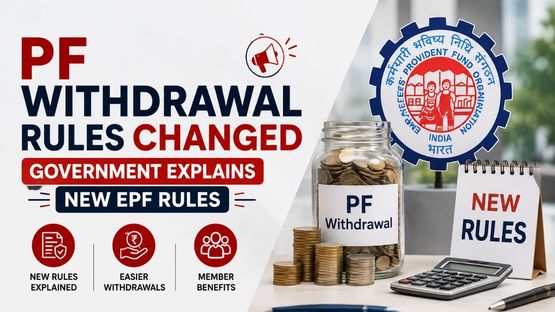
The Central Government has announced changes to the rules and procedures for withdrawing money from the Employees’ Provident Fund (EPF). The new rules are important for millions of PF account holders and employees approaching retirement.
Union Minister of State for Labour and Employment Shobha Karandlaje explained the key changes in the Lok Sabha while responding to questions about PF withdrawals.
Under the new rules, employees who leave their jobs will have to wait 12 months to withdraw their entire PF balance. Similarly, money held under the Employees’ Pension Scheme (EPS) will require a 36-month waiting period before withdrawal.
However, employees can still withdraw money from their PF accounts for urgent financial needs. The government has also simplified the withdrawal process for such situations.
Employees can withdraw up to 75% of their PF balance twice a year without stating a specific reason. Withdrawals for important needs such as house construction, medical emergencies, education and unemployment-related expenses will also be given priority.
The government said these changes were discussed and recommended during the 238th meeting of the Central Board of Trustees, with representatives from trade unions, employers and the Central and State governments.
Steps are also being taken to improve awareness about the new PF rules and speed up digital PF settlements. Work on EPFO 3.0 is underway, which is expected to make PF withdrawals more convenient through digital channels such as UPI and ATMs.
The government said the changes are aimed at protecting employees’ long-term retirement savings while allowing them access to a substantial portion of their PF balance during emergencies.
In short, employees will need to wait one year for complete PF withdrawal, while up to 75% of the balance can be accessed for eligible needs under the new provisions.
Top Stories
-
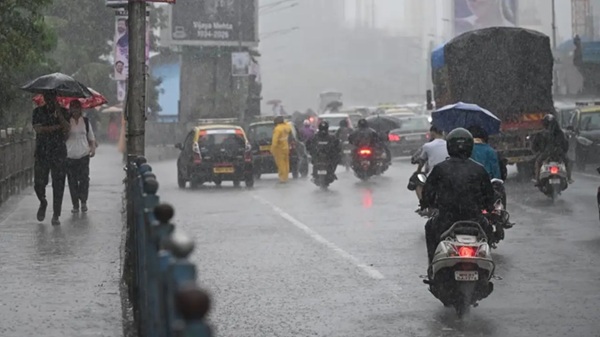 Tamil Nadu Weather Today: Rain Expected in 8 Districts12/Aug/2026 4:24:52 PM
 -
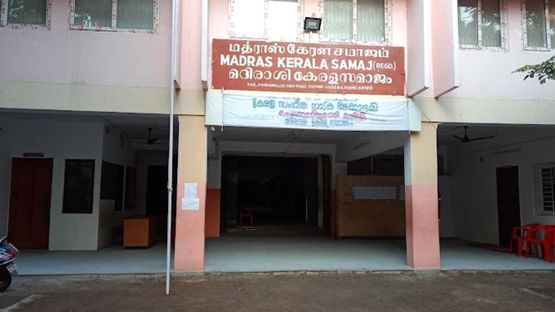 Kerala Vidhyalayam Higher Secondary School Information and Fee Structure, Chennai12/Aug/2026 4:21:21 PM
 -
 The Social Club Chennai: Group Karaoke Night at Courtyard by Marriott12/Aug/2026 4:18:51 PM
 -
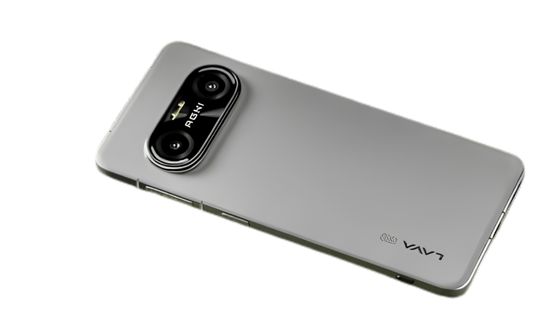 Lava Smart 4 Launched in India at ₹8,499: Features and Price
12/Aug/2026 4:00:32 PM -
PF Withdrawal Rules Changed: Government Explains New EPF Rules12/Aug/2026 3:40:18 PM
-
 Gold Prices Rise: Is This a Good Time to Sell Unused Gold in Chennai?12/Aug/2026 2:23:13 PM