
Ways to Improve Your Credit Score in 2026

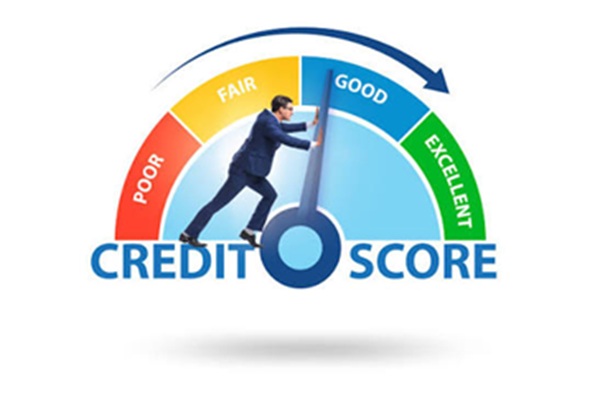
Your credit score plays an increasingly important role in your financial life. In 2026, lenders rely heavily on credit profiles to assess loan eligibility, determine interest rates, and evaluate repayment capacity. A strong credit score can help you access better loan terms, faster approvals, and greater financial flexibility. A weak credit profile, on the other hand, can make borrowing more difficult and expensive.
The good news is that improving your credit score does not require major financial changes overnight. Small, consistent improvements in the way you manage credit can make a significant difference over time.
Here are 8 practical habits that can help strengthen your credit profile in 2026.
Why Does Your Credit Score Matter in 2026?
As digital lending continues to grow, lenders are increasingly using automated systems and data-driven assessments when evaluating borrowers. Your credit score can influence the interest rate you are offered, the speed of loan approval, and the amount of credit available to you.
A healthy credit score can help you:
- Qualify for loans at more competitive interest rates
- Improve your negotiating position with lenders
- Access a wider range of credit products
- Receive faster loan approvals
8 Practical Ways to Improve Your Credit Score
Building a strong credit profile is largely about consistency. Responsible repayment, sensible borrowing, and regular monitoring can help you establish a healthier credit history.
1. Pay Your Credit Card Bills and EMIs on Time
Your payment history is one of the most important aspects of your credit profile. Missing a credit card payment or loan EMI can negatively affect your credit score and may remain visible in your credit history for a significant period.
Set reminders or enable automatic payments to make sure you never miss a due date. Give priority to loan EMIs, credit card bills, and other payments that are reported to credit bureaus.
Over time, a consistent record of timely payments demonstrates responsible credit management.
2. Check Your Credit Report Regularly
Checking your credit report can help you identify problems before they become bigger issues. Incorrect account balances, duplicate accounts, outdated payment information, or unfamiliar accounts can negatively affect your credit profile.
Consider checking your CIBIL score and reviewing your detailed credit report regularly. A quarterly review can help you spot errors early and raise a dispute when necessary.
Regular monitoring also gives you a clearer picture of how your financial habits are affecting your credit profile.
3. Keep Your Credit Utilisation Low
Credit utilisation is the percentage ofof your available credit limit that you are using. Consistently carrying high credit card balances can negatively affect your credit profile, even if you eventually pay the balance in full.
Try to keep your outstanding credit card balance at a manageable level rather than regularly using most of your available limit.
If appropriate, requesting a higher credit limit may reduce your utilisation ratio, but only if you can continue to use credit responsibly.
4. Avoid Applying for Credit Too Frequently
Every time you apply for certain types of credit, the lender may make a hard inquiry on your credit report. Several applications within a short period can signal that you are actively seeking large amounts of credit.
Before submitting an application, compare lenders and check their eligibility requirements. Where available, use pre-approved offers or eligibility checks that do not involve a hard inquiry.
Being selective about when and where you apply for credit can help protect your credit profile.
5. Maintain a Healthy Credit Mix
A combination of different types of credit can contribute to a well-rounded credit profile. Secured credit may include home or vehicle loans, while unsecured credit can include personal loans and credit cards.
Successfully managing different forms of credit can demonstrate your ability to handle various financial commitments.
However, do not take a loan simply to create a better credit mix. Taking on unnecessary debt can create more financial pressure. Responsible borrowing and timely repayment are far more important.
6. Keep Older Credit Accounts Open When Appropriate
The age of your credit accounts can be an important part of your overall credit history. Older accounts with a consistent record of responsible repayment can strengthen your credit profile.
If you have a long-standing credit card that does not have significant costs or other drawbacks, consider keeping it open rather than closing it unnecessarily.
If you use the card occasionally, make sure you pay the balance on time. Maintaining a clean history over a longer period can support your overall credit profile.
7. Clear Outstanding Dues Strategically
Outstanding and overdue debts can negatively affect your credit profile. If you have multiple debts, consider prioritising payments based on interest rates, overdue status, and your overall financial situation.
Paying down high-interest credit card balances and clearing overdue amounts can help you regain control of your finances.
Once outstanding dues are cleared, continue making payments on time. Credit-report updates may take some time because lenders generally report information according to their reporting cycles.
8. Use Credit Responsibly a and Build Your History Gradually
A strong credit score is built over time. If you are new to credit, start with manageable borrowing that you can comfortably repay.
For example, a secured credit card may be an option for some first-time borrowers. Make small purchases, keep your balances under control, and pay your bills on time.
Avoid borrowing more than you need simply to build your credit score. Responsible use of credit over an extended period is more valuable than taking on unnecessary debt.
Build a Stronger Credit Profile in 2026 and Beyond
Improving your credit score is not about making one major change. It is about developing consistent financial habits and maintaining them over time.
Pay your bills on time, keep credit utilisation under control, avoid unnecessary credit applications, review your credit report regularly, and work towards clearing outstanding dues.
As digital lending continues to expand, maintaining a healthy credit profile can become increasingly important when applying for loans and other financial products. Digital lending platforms such as Olyv may also use financial and credit-related information when assessing borrowers.
The best time to start improving your credit habits is today. Small, responsible decisions made consistently can help build a stronger financial profile and create better borrowing opportunities in the future.
Disclaimer: This article is for general informational purposes only. Credit scores and lending decisions depend on several factors and may vary between lenders and individuals. Always review the terms and conditions of a financial product and seek professional advice when necessary.
Top Stories
-
 Chennai: Monsoon Raises Risk of Viral Fevers; Public Advised to Stay Cautious11/Aug/2026 2:49:23 PM
 -
 Ways to Improve Your Credit Score in 202611/Aug/2026 1:33:02 PM
 -
 CM Vijay Leads ‘Drug-Free Tamil Nadu’ Campaign, Urges Students to Fight Drug Menace11/Aug/2026 1:28:40 PM
 -
 Will UPI Transactions Attract Charges? Here’s What the New Law Says11/Aug/2026 1:21:47 PM
 -
 Shankar IAS Academy Chennai :Coaching for UPSC, TNPSC, Banking and Government Exams11/Aug/2026 1:01:48 PM
 -
 Tamil Nadu’s Credit Card Dues Nearly Double in Five Years, Reach Rs 2.86 Lakh Crore11/Aug/2026 12:59:41 PM