
Sathyaraj’s Iconic 1994 Film Amaidhi Padai to Re-Release Ahead of Tamil Nadu Elections
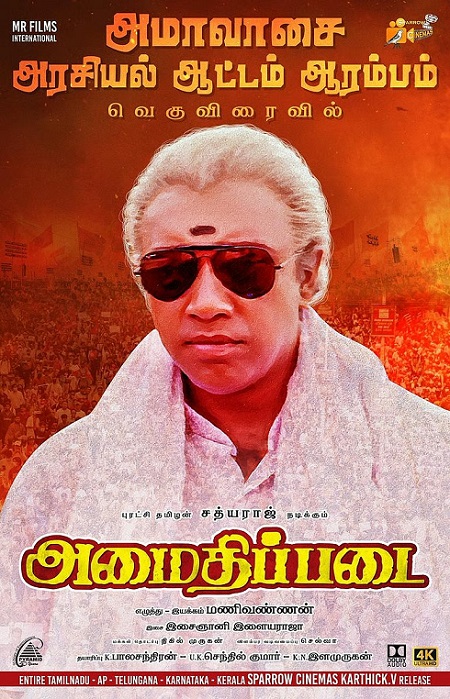
Sathyaraj’s cult political drama Amaidhi Padai (1994) is set for a theatrical re-release, returning to the big screen 32 years after its original run. Directed by Manivannan, the film’s revival comes as Tamil Nadu approaches Assembly elections, adding renewed relevance to its political narrative.
Announcing the re-release, the makers unveiled a new poster with the tagline, “Amavasai’s political game starts,” confirming that the film will return to theatres ahead of the elections.
The re-release is being planned on a grand scale, with Sparrow Cinemas’ Karthick Venkatesan overseeing the initiative. Discussions are underway to release the film in nearly 500 theatres across Tamil Nadu, Andhra Pradesh, Telangana, Kerala, and Karnataka.
In Amaidhi Padai, Sathyaraj appears in dual roles as Amavasai, a corrupt and manipulative politician, and Thangavel, his illegitimate son who grows up to become a police officer determined to put an end to his father’s illegal activities. Upon its release in 1994, the film received both critical and commercial acclaim and later attained cult-classic status for its sharp political commentary.
The film is now being prepared for a 4K re-release with Dolby sound. An official re-release date is expected to be announced in the coming days.
Top Stories
-
 Tomorrow Panchangam September 25, 2026 | Auspicious Timings, Rahu Kalam, Gulikai24/Sep/2026 5:42:50 PM
 -
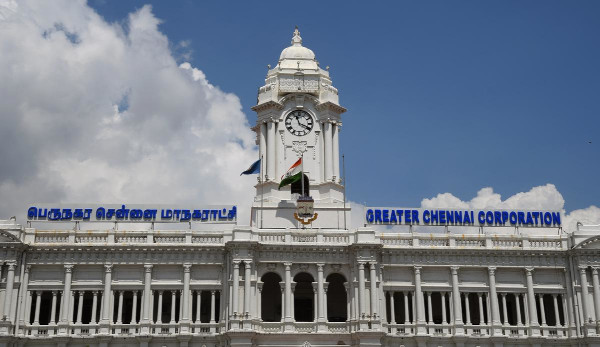 Chennai Infrastructure Boost: 780 Roads Covering 160 Km to Get Rs 150 Crore Upgrade24/Sep/2026 5:26:44 PM
 -
 NEET PG 2026 Results Released: Check Result Online24/Sep/2026 5:24:08 PM
 -
 Smart Office Automation: How Chennai Businesses Are Building the Workplace of the Future24/Sep/2026 5:08:41 PM
 -
 Chennai AI Traffic Signals: ATCS & ITS Smart Traffic System | See This Full Video24/Sep/2026 4:57:52 PM
 -


 JB Soft System