
Varicose Veins: Causes, Symptoms, Treatment and Prevention
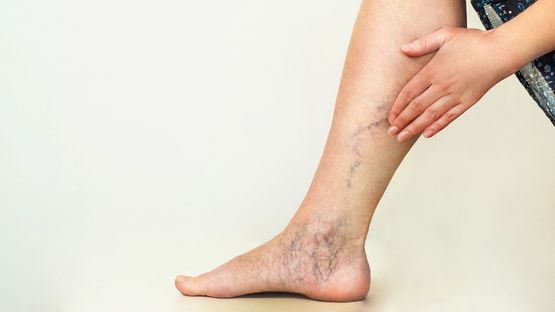
Varicose veins are swollen, twisted and bulging veins that appear just beneath the skin, most commonly in the legs, feet or ankles. They develop when vein walls weaken and the valves inside the veins do not work properly, causing blood to pool. This can make the veins appear blue or purple and bulge outward. Treatment can help relieve symptoms and reduce the risk of complications.
What Are Varicose Veins?
Normally, tiny valves inside the veins of your legs help keep blood flowing toward your heart. When these valves become damaged or weakened, they may not function properly, allowing blood to collect in the veins.
Varicose veins are swollen blood vessels that bulge beneath the surface of the skin and often appear blue or purple. They usually develop in the legs, feet and ankles and may cause pain or itching. Smaller red or purple veins, known as spider veins, may also appear around varicose veins.
For many people, varicose veins are mainly a cosmetic concern. However, in some cases, they may indicate an underlying health problem. A healthcare provider can determine whether home care is enough or whether additional treatment is needed.
Causes and Risk Factors
Varicose veins develop when the walls of the veins weaken and their valves stop controlling blood flow effectively. As blood becomes sluggish and pools inside the vein, pressure builds against the vein walls. This causes the veins to swell, bulge and become twisted.
The exact reason why veins weaken is not always clear. However, several factors can increase the risk.
Risk Factors
- Aging: Varicose veins become more common with age because veins gradually lose their elasticity. As they become less flexible, their walls and valves may not move blood as efficiently.
- Hormonal changes: Female hormones can cause vein walls to stretch. This may be more likely during pregnancy, while taking estrogen-based birth control or during menopause.
- Family history: You may have a higher risk of developing varicose veins if they run in your biological family.
- Prolonged sitting or standing: Staying inactive for long periods can reduce blood flow and contribute to varicose veins.
- Tobacco use: Using tobacco products may increase the risk of developing varicose veins.
- Overweight or obesity: Excess body weight can place additional pressure on the blood vessels and contribute to varicose veins.
Symptoms of Varicose Veins
Varicose veins most commonly develop in the lower part of the body, particularly the calves, ankles and feet. They can also occur in the pelvic area, especially after childbirth. Hemorrhoids are another type of varicose vein that develops in the rectum.
Common sympmptoms include:
- Bulging veins: Veins may look twisted, swollen, gnarled or rope-like. They are usually blue or purple and can be seen beneath the skin.
- Itching: The skin around a varicose vein may feel itchy.
- Heavy legs: Your legs may feel tired, heavy or sluggish, particularly after physical activity.
- Pain: You may experience aching, soreness or pain in your legs, including behind the knees. Leg cramps may also occur.
- Swelling: The legs, ankles and feet may become swollen or feel throbbing.
- Skin changes and ulcers: Untreated varicose veins can cause skin discoloration. In severe cases, they may lead to venous ulcers, or open sores.
Possible Complications
Most people with varicose veins do not develop serious complications. However, possible problems include:
- Skin changes: Untreated varicose veins can lead to ulcers, bleeding, inflammation or changes in skin color.
- Superficial thrombophlebitis: Blood clots can form inside varicose veins, causing a painful condition that is usually not dangerous.
- Deep vein thrombosis (DVT): Varicose veins can increase the risk of developing a blood clot in a deep vein.
- Pulmonary embolism: A blood clot caused by DVT can travel to the lungs and block a blood vessel. This is a life-threatening condition requiring immediate medical treatment.
Varicose veins can also be an early sign of chronic venous insufficiency (CVI), which may worsen over time.
Diagnosis
Because varicose veins are located close to the skin, healthcare providers can often diagnose them during a physical examination. They may examine and feel the veins while you are sitting and standing and ask about your symptoms and medical history.
Additional tests are usually not necessary. However, your healthcare provider may recommend an ultrasound to obtain detailed images of the veins and check for complications.
Treatment and Management
There is no single cure for varicose veins, but treatments and procedures can help relieve symptoms and reduce the risk of complications. Depending on your condition, a healthcare provider may recommend:
- Compression stockings: These apply pressure to the lower legs to improve blood circulation. Always consult a healthcare provider before using compression stockings, bandages or wraps so you can choose the appropriate level of pressure.
- Sclerotherapy: A healthcare provider injects a solution into the affected vein, causing its walls to stick together. The vein eventually becomes scar tissue and fadedes.
- Endovenous thermal ablation: This minimally invasive procedure uses a catheter and laser to close an affected vein.
- Ambulatory phlebectomy: A healthcare provider makes small cuts or punctures near the varicose vein and removes sections of the affected vein.
- Ligation and stripping: During this surgical procedure, the affected vein is tied off to stop blood from pooling and then removed.
Home Remedies and Prevention
Daily habits can help manage symptoms and reduce the likelihood of developing new varicose veins.
- Avoid prolonged sitting or standing: Take regular breaks to stretch and walk around to encourage better blood flow.
- Stay active: Regular physical activity can improve circulation and help relieve varicose vein symptoms.
- Elevate your legs: Raise your legs above the level of your heart several times a day. This can help gravity move blood from your lower legs back toward your heart.
- Maintain a healthy weight: Losing excess weight can reduce pressure on your veins.
- Quit tobacco: Smoking can damage blood vessels, reduce blood flow and contribute to other health problems.
Disclaimer: This information is for general awareness only and should not be considered medical advice. Consult a qualified healthcare professional for proper diagnosis and treatment.
Top Stories
-
 Tambaram: The Untold History of Chennai’s Southern Gateway01/Sep/2026 11:55:51 AM
 -
 Tamil Nadu Announces ₹55,628 Crore Power Infrastructure Projects01/Sep/2026 11:52:46 AM
 -
 PM Modi Urges Indians to Avoid Unnecessary Foreign Trips, Overseas Weddings and Gold Purchases01/Sep/2026 11:49:12 AM
 -
 5 Best Temples to Visit in and Around Tambaram, Chennai01/Sep/2026 11:45:33 AM
 -
 5 Best Places to Visit in and Around Tambaram, Chennai01/Sep/2026 11:34:59 AM
 -
Varicose Veins: Causes, Symptoms, Treatment and Prevention01/Sep/2026 10:51:05 AM