
How Do You Safely Introduce Solid Foods to Your Baby?
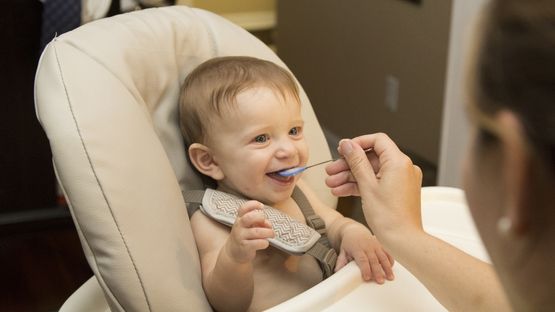
Introducing solid foods is an important milestone that usually begins when a baby is around 4 to 6 months old and shows signs of readiness. These include sitting with minimal support, having good head control, bringing objects to the mouth, and showing interest in food.
What Parents Should Do
- Start slowly with soft, single-ingredient foods such as iron-fortified cereal, mashed vegetables, fruit, beans, or pureed meat.
- Introduce one new food at a time so possible allergic reactions are easier to identify.
- Continue breast milk or infant formula as the baby’s main source of nutrition until about 12 months.
- Include iron-rich foods, particularly after 6 months.
- Serve food in soft, age-appropriate textures and increase thickness gradually.
- Let the baby decide how much to eat and stop when they turn away, close their mouth, or lose interest.
- Keep the baby seated upright and supervise every meal.
- Allow safe touching, spilling, and self-feeding as part of learning.
What Parents Should Avoid
- Do not put cereal or other solid foods in a bottle because this may increase the risk of choking.
- Avoid honey before 12 months, as well as raw or unpasteurized dairy, undercooked meat, seafood, and eggs.
- Do not give whole cow’s milk as a main drink before the first birthday.
- Avoid foods with added salt or sugar during the first year.
- Do not serve choking hazards such as whole grapes, popcorn, nuts, hard raw vegetables, large meat pieces, or whole hot dogs.
- Do not feed directly from a storage jar and return the used spoon to it, as this can introduce bacteria.
Common allergenic foods do not always need to be delayed, but they should be introduced in safe forms and one at a time. Parents should discuss timing with a pediatrician, especially when a baby has eczema, an existing allergy, or another medical condition.
Disclaimer
This article is for informational purposes only and is not a substitute for professional medical advice, diagnosis, or treatment. Consult a qualified pediatrician or dietitian for guidance based on your baby’s development and health needs.
Top Stories
-
 Tomorrow Panchangam July 21 2026 | Auspicious Timings, Rahu Kalam, Gulikai20/Jul/2026 6:09:46 PM
 -
 Chennai IAS Academy Opens Admissions for UPSC, TNPSC, Banking and RRB Coaching in Vellore20/Jul/2026 5:08:29 PM
 -
 Choosing the Right Gold Investment Option: A Complete Guide20/Jul/2026 4:56:10 PM
 -
 Gold Monetization Scheme 2.0 Needs Major Reforms to Succeed: Economist Anand Srinivasan20/Jul/2026 4:53:55 PM
 -
 Aadi 18: What's Special About Aadi Perukku?20/Jul/2026 4:36:54 PM
 -
 Chennai Metro Weekday Timings: Trains Every 6-7 Minutes During Most Hours20/Jul/2026 4:29:20 PM