
What Is Credit Card EMI and How Does It Work? A Complete Guide
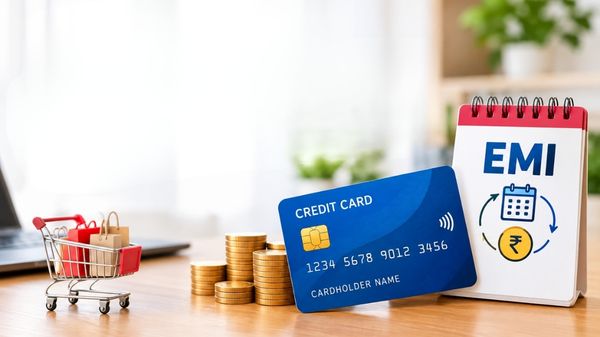
Credit cards can be useful for managing large purchases, but paying the entire amount at once may not always be convenient. A Credit Card EMI (Equated Monthly Instalment) option allows eligible purchases to be divided into smaller monthly payments over a fixed period.
Before choosing this facility, it is important to understand how credit card EMI works, how the repayment amount is calculated, and what additional charges may apply.
What Is Credit Card EMI?
Credit Card EMI is a repayment facility that allows an eligible credit card transaction to be converted into fixed monthly instalments. Instead of paying the full purchase amount in the next credit card bill, the cardholder repays the amount over a selected tenure.
Depending on the card issuer and the transaction, EMI tenures may range from a few months to several years.
The monthly payment generally includes a portion of the principal amount along with applicable interest and other charges.
How Does Credit Card EMI Work?
Consider a simple example. Suppose a person purchases a laptop worth ₹30,000 using a credit card and chooses to convert the transaction into a 12-month EMI plan.
If an annual interest rate of 12% is applicable, the monthly EMI will be calculated based on the purchase amount, interest rate and repayment tenure. The total amount paid over the entire tenure will generally be higher than the original purchase price because of the interest and any applicable fees.
The exact EMI amount can vary depending on the card issuer`s interest rate, tenure, processing fee and other applicable charges.
How Can a Credit Card Transaction Be Converted into EMI?
Eligible credit card purchases can generally be converted into EMIs through different channels, depending on the card issuer. These may include:
- Mobile banking applications
- Internet banking
- Customer service
- EMI options available at participating merchants
- EMI options offered during online purchases
Some issuers may allow customers to select EMI before completing a purchase, while others may provide a post-purchase conversion facility for eligible transactions.
The minimum transaction amount and available repayment tenures can differ between card issuers.
Can Every Credit Card Transaction Be Converted into EMI?
No. Not every credit card transaction is necessarily eligible for EMI conversion.
Eligibility can depend on the card issuer, transaction amount, merchant, transaction category and other applicable conditions. Certain transactions, such as cash advances and some categories of pupurchases, may not qualify for EMI conversion.
Cardholders should check the eligibility requirements and applicable terms before converting a transaction into an EMI.
Important Things to Check Before Choosing Credit Card EMI
Before converting a purchase into an EMI, consider the following factors:
1. Interest Rate
Credit card EMI plans may carry an interest rate. The rate can vary based on the card issuer, repayment tenure and applicable offers. A longer tenure may reduce the monthly payment but can increase the total interest paid.
2. Processing Fee
A processing fee may be charged when a transaction is converted into EMI. This cost should be included when calculating the total repayment amount.
3. Total Repayment Amount
Do not look only at the monthly EMI. Compare the total amount payable, including the principal, interest, processing fee and applicable taxes or other charges.
4. Pre-Closure or Prepayment Charges
If you want to repay the EMI before the end of the selected tenure, a pre-closure or foreclosure charge may apply. Check the applicable terms before making an early repayment.
5. Effect on Credit Card Limit
When a purchase is converted into EMI, the transaction can affect the available credit limit. The way the limit is restored as EMI payments are made depends on the card issuer`s terms.
6. Missed EMI Payments
EMI payments form part of the credit card repayment obligation. Missing or delaying payments can result in applicable charges and may negatively affect the cardholder`s credit profile.
Credit Card EMI vs Paying the Full Amount
Paying the full credit card bill by the due date can help avoid interest on eligible purchases, whereas converting a transaction into EMI generally involves interest and possibly other charges.
EMI can make a large purchase easier to manage month by month, but it can also increase the overall cost of the purchase. Therefore, the monthly affordability as well as the total repayment cost should be considered before choosing this option.
Disclaimer: This article is intended for general informational and educational purposes only. Credit Card EMI eligibility, interest rates, fees, repayment tenures and other terms may vary between card issuers and transactions. Readers should check the applicable terms and conditions before making financial decisions.
Top Stories
-
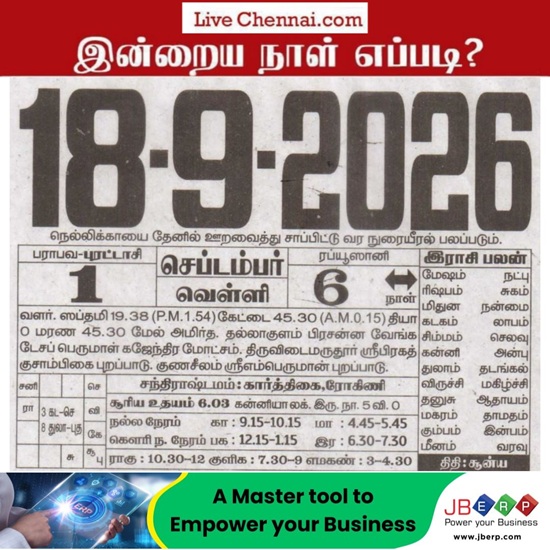 Tomorrow Panchangam September 18, 2026 | Auspicious Timings, Rahu Kalam, Gulikai17/Sep/2026 5:52:10 PM
 -
 Saveetha Engineering College Admission 2026: Courses, Fees and Dates17/Sep/2026 5:09:26 PM
 -
 Tamil Nadu Weather: Heavy Rain Likely in 6 Districts Today17/Sep/2026 4:54:58 PM
 -
What Is Credit Card EMI and How Does It Work? A Complete Guide17/Sep/2026 4:39:59 PM
-
 Friday Elite Tamil Night in Chennai: Party Till 2 AM at Willows17/Sep/2026 4:31:53 PM
 -
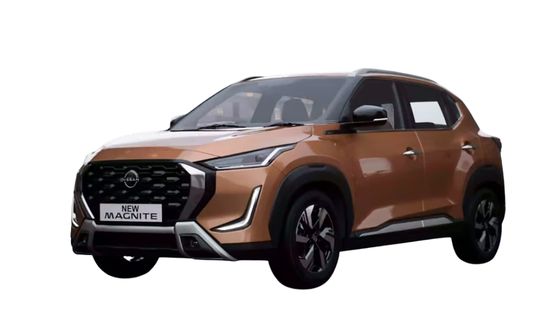 Nissan Magnite Price Hike: Variant Wise Price Changes Explained17/Sep/2026 3:34:23 PM