
Credit Card Limit Increase: Why It Could Help Your Credit Score
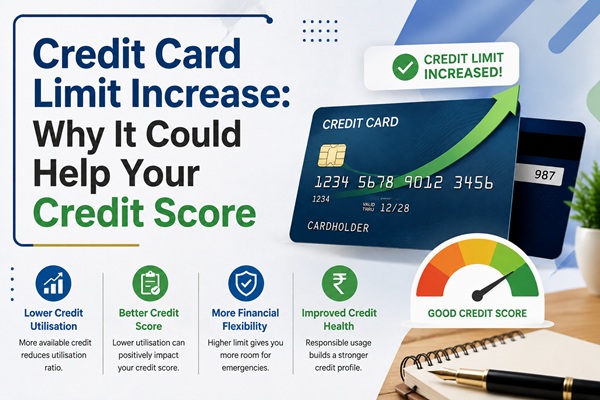
When banks offer customers an increase in their credit card limit, many people ignore the message fearing it could encourage unnecessary spending. However, a higher credit limit can have a positive impact on your credit profile if used responsibly.
Credit Utilisation Matters
One of the important factors affecting a credit score is the credit utilisation ratio, which indicates how much of the available credit limit a person is using.
For example, if your credit limit is ₹1 lakh and you regularly spend ₹50,000, your utilisation is 50%. If the bank increases your limit to ₹2 lakh while your spending remains unchanged, the utilisation falls to 25%.
A lower utilisation ratio can generally be viewed more positively by lenders.
Existing Card May Be Better Than a New One
Accepting a limit increase on an existing credit card can also be preferable to applying for another card, particularly when the existing account has a good repayment history.
A higher limit can provide additional financial flexibility during emergencies or temporary cash-flow difficulties.
Higher Limit Comes With Responsibility
A higher credit limit does not mean customers should increase their spending. Using the additional limit unnecessarily can result in mounting debt, interest charges and repayment difficulties.
Customers should continue to spend within their means and pay credit card bills on time and in full whenever possible.
Consider Before Accepting
A credit limit increase can be useful for financially disciplined customers, but it is not automatically beneficial for everyone. Before accepting an offer, customers should consider their spending habits, existing debt and ability to repay.
The key is simple: a higher credit limit can improve financial flexibility and potentially lower credit utilisation, but only when it is used responsibly.
Top Stories
-
 Tomorrow Panchangam October 27, 2026 | Auspicious Timings, Rahu Kalam, Gulikai26/Oct/2026 6:04:45 PM
 -
 Chennai’s Architecture and Construction Sector: Major Projects and Emerging Trends in 202626/Oct/2026 5:52:19 PM
 -
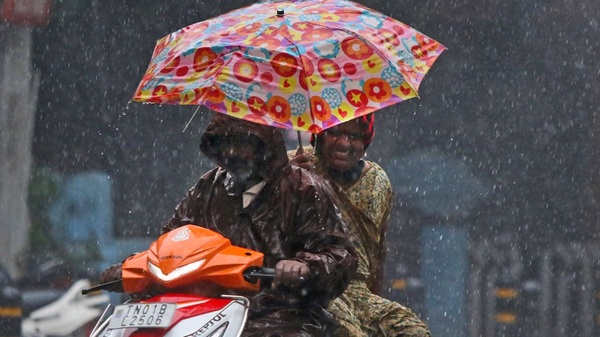 Tamil Nadu Monsoon Alert: Kodaikanal Red Alert, Vaigai Dam Water Level Reaches 50 Feet26/Oct/2026 5:18:23 PM
 -
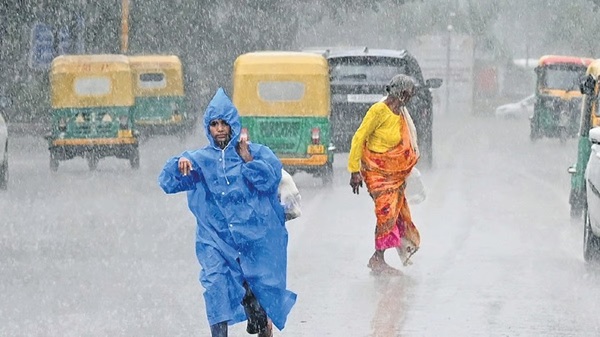 Orange Alert for Nagapattinam: Heavy Rain Expected in 6 Tamil Nadu Districts26/Oct/2026 5:10:58 PM
 -
 Ooty Mountain Train Service Cancelled Until October 29 Due to Restoration Work26/Oct/2026 5:05:55 PM
 -
 Bigg Boss Tamil 10: Actor Raghav Says TTF Vasan’s Fan Base Could Influence the Final Results26/Oct/2026 4:53:00 PM

 JB Soft System