
Heavy or Light Breakfast: Which One Is Right for You?
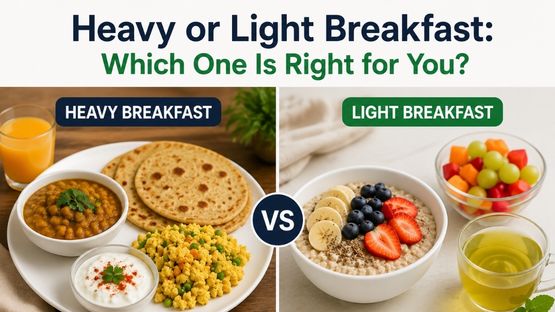
Breakfast helps replenish your body`s energy after an overnight fast and provides fuel to start the day. Whether you should eat a heavy or light breakfast depends on your lifestyle, physical activity, health status, and personal preferences.
Benefits of a Heavy Breakfast
A larger breakfast may be beneficial if you:
- Exercise in the morning
- Have a physically demanding job
- Need sustained energy throughout the day
A balanced heavy breakfast that includes protein, fiber, healthy fats, and whole grains may help keep you full for longer, support muscle health, and reduce unhealthy snacking later in the day.
Benefits of a Light Breakfast
A lighter breakfast may be a better choice if you:
- Have a sedentary lifestyle
- Experience acidity, bloating, or digestive discomfort
- Prefer eating smaller meals in the morning
Nutritious options such as oats, fresh fruits, yogurt, smoothies, or idlis can provide energy without feeling overly heavy.
What Makes a Healthy Breakfast?
Regardless of portion size, a healthy breakfast should include:
- Protein to support muscle health and improve satiety
- Fiber to promote healthy digestion
- Healthy fats for sustained energy
- Vitamins and minerals from fruits, vegetables, dairy, or whole grains
Heavy vs. Light: Which Is Better?
There is no one-size-fits-all answer.
- Choose a heavy breakfast if you are highly active and require long-lasting energy.
- Choose a light breakfast if you have digestive concerns, lower activity levels, or simply feel more comfortable eating less in the morning.
The healthiest breakfast is one that matches your individual needs while providing balanced nutrition.
Disclaimer
This article is for informational purposes only and should not replace professional medical or nutritional advice. If you have diabetes, digestive disorders, or other ongoing health conditions, consult a qualified healthcare professional or registered dietitian for personalized dietary guidance.
Top Stories
-
 Airtel Cloud Signs 40 Customers in First Year, Manufacturing Leads Demand21/Sep/2026 12:45:23 PM
 -
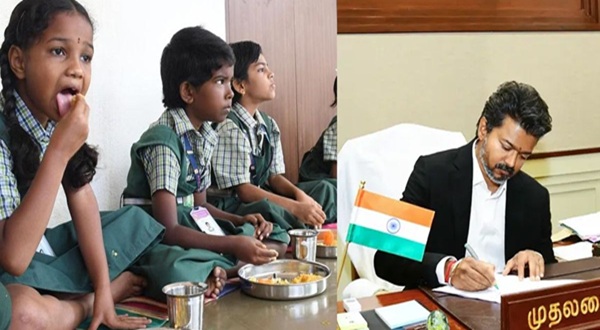 Kamarajar Breakfast Scheme Expansion: Chief Minister Vijay to Launch It in Chennai Tomorrow21/Sep/2026 12:29:33 PM
 -
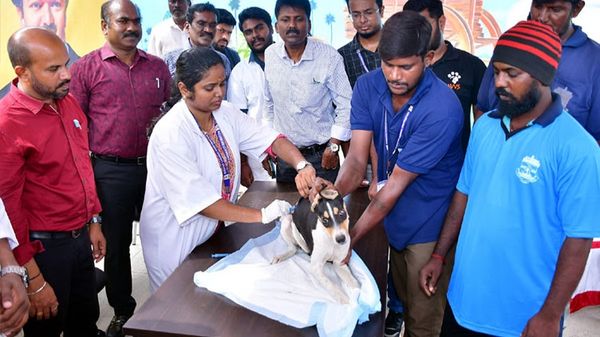 Chennai Stray Dog Vaccination: 86,489 Dogs Get Rabies Vaccine21/Sep/2026 12:06:20 PM
 -
 EMIS Number Mandatory for School Office Staff in Tamil Nadu21/Sep/2026 11:48:41 AM
 -
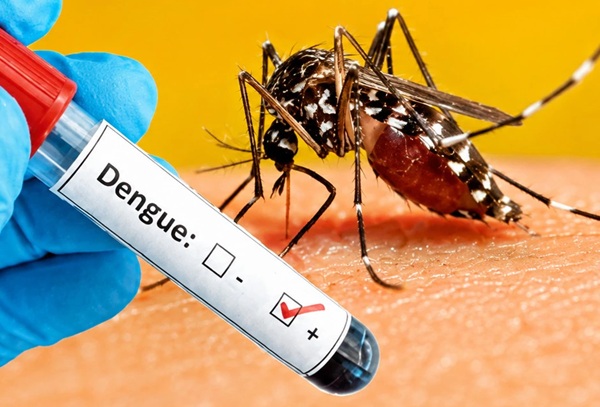 Tamil Nadu Dengue Cases: 228 New Cases Reported in a Day21/Sep/2026 11:32:03 AM
 -
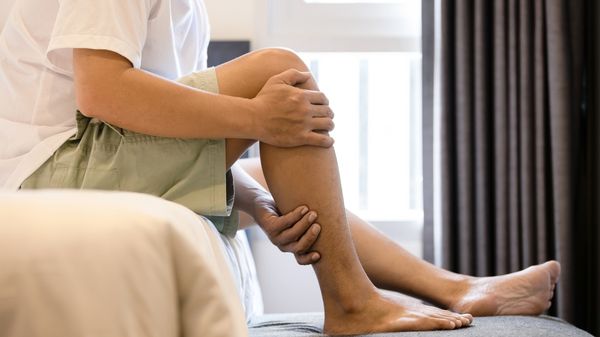 Sudden Leg Numbness: Causes, Symptoms and Warning Signs21/Sep/2026 11:24:17 AM