
Why Some SUVs Hold Their Value Better Than Others in the Used Car Market
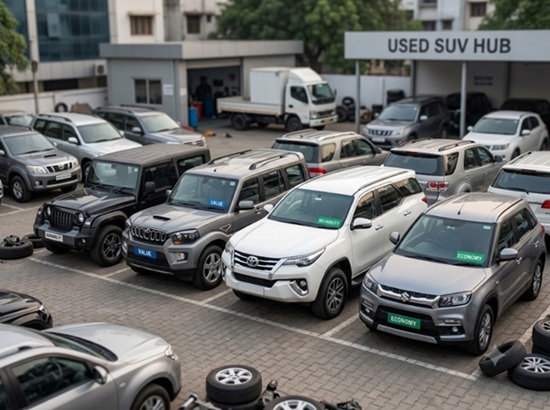
Not every SUV ages the same way. Two models launched in the same year, priced within a lakh of each other, can sit at wildly different price points five years later.
One sells within days of listing. The other lingers for weeks.
Most buyers sense this pattern, but rarely examine it closely enough to act on it.
How Brand Perception Shapes Resale Demand
Resale value starts long before anyone lists a car for sale. It begins with how a model gets perceived across its entire new-car lifecycle, and that reputation, once set, does not shift easily.
Models with a track record of low maintenance costs and mechanical reliability attract a wider pool of second-hand buyers. More buyers competing for the same car means prices stay firm, sometimes surprisingly so.
The Hyundai Creta illustrates this well. Across ownership forums and real service cost threads, it consistently ranks among the more affordable compact SUVs to run over a five-year cycle.
Prices for used Creta models from the late 2010s vary considerably depending on variant, mileage, and condition, but remain within a range that second buyers find accessible. Buyers researching the old Creta price tend to find that ownership costs stay predictable year over year, which makes it a safer bet on the used market.
On the other end, models with a reputation for expensive spare parts or frequent workshop visits depreciate faster, regardless of how impressive the feature list looked at launch.
The Role of Body Style and Drivetrain in Holding Value
SUV subcategories do not age at the same rate. Compact SUVs, mid-size SUVs, and body-on-frame SUVs each follow distinct depreciation curves, and understanding those curves before you buy can save significant money later.
Based on broad patterns observed across used car listings, depreciation trends by SUV category generally look like this:
- Compact SUVs tend to shed a moderate share of their value over five years, driven primarily by low running costs and strong city demand keeping resale prices relatively firm.
- Mid-size SUVs typically depreciate at a slightly steeper rate, with resale influenced more by feature relevance and brand loyalty than mechanical longevity.
- Body-on-frame SUVs often depreciate the least, with durability, rural demand, and towing capability sustaining prices even on higher-mileage examples.
These are rough observations drawn from listing patterns rather than precise figures, and individual results will vary by variant, geography, and condition.
Body-on-frame SUVs consistently depreciate less. Their ladder-frame construction handles rough roads and heavy loads without the structural fatigue that monocoque designs can develop over years of hard use.
Diesel variants tend to hold value better in the used SUV segment too, particularly for larger models where the torque advantage and fuel economy gap stay genuinely noticeable. Petrol compact SUVs are closing that gap in cities, though, especially where daily commute distances are short enough that the efficiency difference stops being meaningful.
Why Some Models Build Waiting Lists Even as Used Cars
Most people assume newer always means more desirable. That is only half the story.
Sought-after used SUVs share three traits. First, parts availability stays strong even for older model years, so buyers are not left waiting for a sensor to arrive from a regional warehouse.
Second, independent mechanics can service them without dealer-exclusive diagnostic tools. Third, they still offer a driving experience that feels relevant against newer competition.
The Mahindra Scorpio is a textbook case. Its mechanicals are well understood by workshops across India, from metro service centres to small-town garages several hundred kilometres from the nearest dealership.
Anyone checking the used Scorpio price will notice that older Scorpio models hold value remarkably well compared to similarly aged competitors. A proven diesel engine, a durable chassis, and a service network that extends well outside major cities are the reasons.
Models that lean heavily on proprietary technology or connected-car features face the opposite problem. Once the software support window closes or the subscription lapses, the tech becomes a liability.
Practical Signals That Predict Resale Strength
Check how a model`s sales volumes behave month to month before buying an SUV. Models that maintain consistent numbers tend to hold value better than those showing spiky, discount-driven sales patterns.
A steady sales curve signals genuine demand. A jagged one usually means the manufacturer is using deals to prop up interest, and the market remembers that when you are the one trying to sell.
Colour choice plays a smaller but real role. White, silver, and grey SUVs consistently resell faster than unusual shades. A car that sells faster gives the seller more negotiating leverage, which translates into a slightly higher final price.
The used SUV market rewards predictability over excitement. Models with consistent performance, affordable upkeep, and broad appeal across buyer demographics command stronger prices.
Top Stories
-
 Chennai Offers More Affordable Rental Homes Than Bangalore, Study Finds21/Jul/2026 5:35:44 PM
 -
 Gold & Silver Price Drop Is Temporary, Says Robert Kiyosaki; Predicts Strong Long-Term Rally21/Jul/2026 5:13:43 PM
 -
 Tomorrow Panchangam July 22 2026 | Auspicious Timings, Rahu Kalam, Gulikai21/Jul/2026 5:10:36 PM
 -
 2026 Royal Enfield Classic 350 Launched in India at ₹1.87 Lakh21/Jul/2026 5:04:10 PM
 -
 Digital Marketing Agency Business Gaining Momentum in Chennai21/Jul/2026 4:49:38 PM
 -
 Received an Income Tax Notice? Verify It Before Responding21/Jul/2026 4:38:37 PM