
Dollar Reset: What Could It Mean for Gold and Silver Investors?
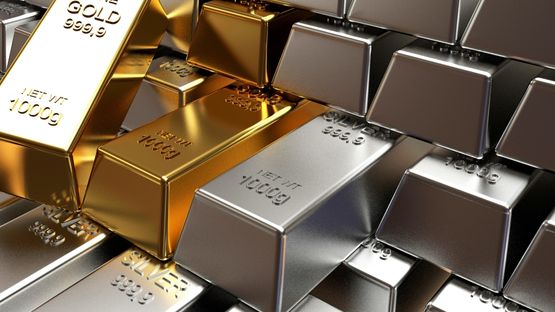
Concerns about a possible "U.S. dollar reset" are gaining attention among investors as global debt levels rise and economic uncertainty persists. While there is no official confirmation that such a reset will occur, market analysts are increasingly discussing how changes in monetary policy could affect gold, silver, and other investment assets.
Why Are Gold and Silver Prices Under Pressure?
In recent months, gold and silver prices have faced pressure due to several factors:
- High U.S. interest rates continue to strengthen the U.S. dollar.
- A stronger dollar typically reduces demand for precious metals.
- Optimism surrounding artificial intelligence (AI) and technology stocks has shifted investor interest toward equities.
Historically, when confidence in the dollar increases, investors often reduce their exposure to gold and silver.
Warning Signs in Financial Markets
Some analysts believe that the financial markets are showing early signs of stress.
Recent volatility in technology and AI-related stocks has raised concerns that valuations may have become excessive. Market experts have also pointed to historically high stock market valuation indicators, suggesting investors should prepare for increased uncertainty.
Several financial commentators have recommended maintaining diversified portfolios that include cash and precious metals as a hedge against market volatility.
What Is a Dollar Reset?
The term "dollar reset" refers to a potential restructuring or revaluation of the U.S. dollar`s monetary system.
Supporters of this theory argue that governments with high debt levels generally have three options:
- Reduce government spending
- Increase taxes
- Allow inflation or currency devaluation to reduce the real value of debt
Historically, governments have often relied on inflation or currency adjustments instead of severe spending cuts.
However, economists note that no official plans currently exist for a U.S. dollar reset.
How Could Gold Be Affected?
If a significant monetary restructuring were to occur, many analysts believe gold could benefit because it has traditionally served as a store of value during periods of currency weakness.
Potential outcomes discussed by market observers include:
- Increased demand for physical gold.
-
- Greater interest from central banks, which have been increasing their gold reserves in recent years.
Many experts believe physical gold may offer greater security during periods of financial uncertainty than paper-based gold investments, although each investment vehicle has its own advantages and risks.
What About Silver?
Silver often follows gold during major market movements.
Although silver is also an industrial metal, it has historically performed well during precious metal bull markets. Analysts suggest that if gold experiences a strong rally, silver could potentially outperform gold due to its smaller market size and higher price volatility.
Diversification Remains Key
Financial advisors generally recommend maintaining a diversified investment portfolio rather than concentrating investments in a single asset.
A balanced portfolio may include:
- Gold
- Silver
- Equities
- Cash
- Fixed-income investments
Diversification helps reduce overall investment risk during uncertain economic conditions.
Final Thoughts
The possibility of a future dollar reset remains speculative, and there is currently no official indication that such an event is imminent. However, discussions surrounding government debt, inflation, and central bank policies continue to drive interest in precious metals.
For long-term investors, gold and silver remain popular choices for portfolio diversification and wealth preservation, particularly during periods of economic uncertainty. As with any investment decision, investors should evaluate their financial goals, risk tolerance, and consult qualified financial professionals before making significant portfolio changes.
Top Stories
-
 Tomorrow Panchangam September 17, 2026 | Auspicious Timings, Rahu Kalam, Gulikai16/Sep/2026 6:02:20 PM
 -
 Gold Prices Fall 20% From Record High: What Indian Investors Need to Know16/Sep/2026 5:58:43 PM
 -
 Tamil Nadu Weather Alert: Heavy Rain Warning for Several Districts for Next 5 Days16/Sep/2026 4:35:23 PM
 -
 Late Night Restaurants in Chennai for Midnight Food Cravings16/Sep/2026 4:34:32 PM
 -
 Farida Gupta Exhibition in Chennai: Handcrafted Shopping at C.P. Art Centre, Alwarpet16/Sep/2026 4:30:20 PM
 -
 Express Avenue, Royapettah, Chennai: Shops, Restaurants, Entertainment and Location Guide16/Sep/2026 4:25:31 PM