
Chennai Noise Pollution: IIT Madras Study Finds Sound Levels Exceed Prescribed Limits
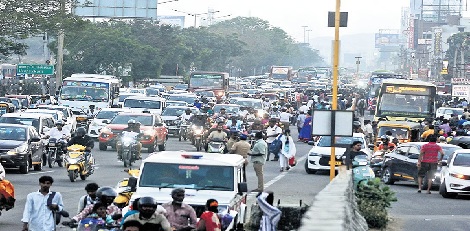
A comprehensive study conducted by Indian Institute of Technology Madras has found that noise levels in several parts of Chennai consistently exceed the limits prescribed by pollution control authorities. The study was carried out in association with the Tamil Nadu Pollution Control Board (TNPCB), highlighting growing concerns over urban noise pollution in the city.
Key Findings of the Study
- Sound levels in residential and commercial zones frequently crossed permissible decibel limits.
- Nighttime noise levels were particularly high in traffic-heavy and mixed-use areas.
- Continuous monitoring showed sustained exposure to elevated noise rather than isolated spikes.
- Major contributors include vehicular traffic, honking, construction activity, and dense commercial operations.
The findings indicate that noise pollution is not limited to peak traffic hours but remains a persistent issue across multiple zones in Chennai.
Health Risks of Excessive Noise
Experts warn that prolonged exposure to high noise levels can result in:
- Sleep disturbances
- Increased stress and anxiety
- Hearing impairment
- Hypertension and cardiovascular issues
- Reduced overall quality of life
Urban residents living near busy roads and commercial hubs are particularly vulnerable.
Need for Stronger Noise Control Measures
The study recommends:
- Enhanced real-time noise monitoring systems
- Strict enforcement of permissible decibel limits
- Improved urban planning and zoning regulations
- Public awareness campaigns on responsible honking and sound usage
With Chennai’s rapid urban growth, proactive noise management policies are essential to safeguard public health.
Top Stories
-
 Chennai Weather Update: Heavy Rain Eases, More Rain Expected on Sunday18/Oct/2026 8:54:51 AM
 -
 Chennai Rain Alert: GCC Releases Contact Numbers for Officials in All 15 Zones18/Oct/2026 8:11:09 AM
 -

-
 Heavy Rain in North Chennai: Tondiarpet, Thiruvottiyur Record Heavy Downpour17/Oct/2026 9:19:47 PM
 -
 Tamil Daily Calendar October 19, 2026 – Nalla Neram and Rahu Kalam17/Oct/2026 5:23:58 PM
 -
 Tomorrow Panchangam October 18, 2026 | Auspicious Timings, Rahu Kalam, Gulikai17/Oct/2026 5:21:00 PM

 JB Soft System