

Does Shaving Your Head Stop Hair Fall? Here’s the Truth
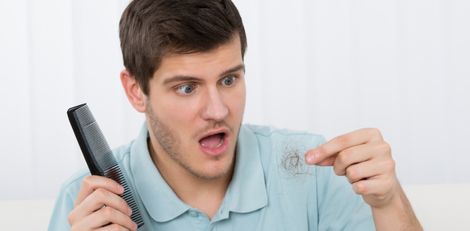

Many people believe that shaving the head can reduce or stop hair fall. However, experts clarify that this is a common myth. Shaving only removes the visible hair above the scalp and does not affect the hair roots or growth cycle.
Key Facts
- Hair grows from follicles located beneath the skin, which are untouched by shaving
- Shaving does not change hair thickness, growth rate, or density
- Hair fall is mainly caused by genetics, hormones, stress, and nutritional deficiencies
- The average hair growth rate remains the same, regardless of shaving
Why Hair Looks Thicker After Shaving
After shaving, hair may appear thicker or darker, but this is only temporary.
- Shaving creates a blunt edge, making regrowth feel coarser
- The actual hair structure remains unchanged
What Actually Causes Hair Loss
Hair loss can occur due to several underlying factors, including:
- Genetic conditions such as pattern baldness
- Hormonal imbalances
- Nutritional deficiencies (iron, vitamins, protein)
- Stress or illness
- Certain medical conditions or medications
Effective Ways to Manage Hair Loss
Medical treatments
Options like topical solutions, oral medications, or advanced therapies can help improve follicle health and hair growth.
Healthy diet
A balanced diet rich in protein, iron, and vitamins supports stronger hair.
Regular scalp care
Gentle hair care and scalp massage can improve blood circulation and hair strength.
Lifestyle management
Reducing stress and maintaining overall health plays a key role in preventing excessive hair fall.
When to Seek Medical Advice
Consult a professional if you notice:
- Sudden or excessive hair loss
- Patchy or uneven hair fall
- Hair loss with itching, redness, or scalp issues
These may indicate an underlying condition that requires proper evaluation.
Final Thought
Shaving your head may change the appearance of your hair temporarily, but it does not stop hair fall or improve hair growth. Addressing the root cause is essential for effectiveve treatment.
Disclaimer: This content is provided for informational purposes only. It is prepared carefully to avoid any issues and should not be considered medical advice. Consult a qualified healthcare professional for proper diagnosis and treatment.