
What Your Sleep Habits Reveal About Your Nervous System
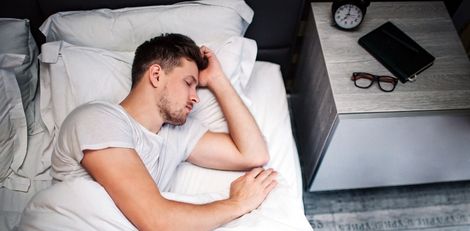

Waking up tired despite enough sleep, frequent night awakenings, sweating, or feeling "wired but exhausted" are not always caused by stress alone. Experts explain that these signs often point to a dysregulated nervous system, where cortisol levels and circadian rhythm are out of balance.
When the body remains stuck in fight-or-flight mode even during sleep, true rest and recovery do not occur.
8 Sleep Behaviours You Should Not Ignore
- Waking up sweaty: Indicates elevated cortisol and adrenaline levels during the night.
- Teeth grinding or jaw clenching: A physical release of tension linked to anxiety, gut stress, and poor recovery.
- Frequent nightmares: Suggests brain overstimulation disrupting REM sleep.
- Sleeping with curled or "T-rex" arms: Shows the nervous system is still holding stress while resting.
- Talking in sleep: The mind continues emotional processing instead of entering deep sleep.
- Sleepwalking: A heightened stress response keeps the body active when it should be resting.
- Multiple night awakenings: Often related to cortisol spikes or digestive imbalances.
- Difficulty falling asleep: A sign that the cortisol rhythm may be reversed.
Psychiatrists explain that restless or fragmented sleep reflects an overactive sympathetic nervous system, while deep, uninterrupted sleep signals healthy parasympathetic (rest-and-digest) activation.
How to Regulate Your Nervous System for Better Sleep
Experts recommend simple, consistent practices to calm the nervous system:
- Slow diaphragmatic breathing to activate the vagus nerve
- Reduced screen exposure before bedtime
- Consistent sleep and wake timings
- Cold exposure, such as splashing cold water on the face
- Grounding techniques, including barefoot walking or sensory awareness
- Vagal nerve stimulation through humming, singing, or gargling
A well-regulated nervous system relies heavily on stable sleep cycles, balanced blood sugar, regular meals, physical activity, and 7-9 hours of quality sleep.
DISCLAIMER: This content is for educational purposes only and is not a substitute for medical advice. Always consult a qualified healthcare professional before starting any new health routine.