
Tamil Nadu Begins First-Level Checking of EVMs; Process to Continue Until January 24
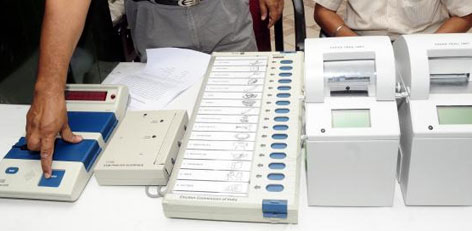
The first-level checking (FLC) of Electronic Voting Machines (EVMs) in Tamil Nadu begins today and will continue until January 24. The Election Department has confirmed that the entire verification process will be carried out in the presence of representatives from all recognized political parties, ensuring transparency and accountability.
Tamil Nadu currently has 1.30 lakh EVMs ready for inspection and deployment. Names of representatives have been collected from various political parties, and ID cards will be issued to them to participate in the verification process.
The first-level checking is a crucial step before elections, ensuring that all EVMs are technically sound, error-free, and fully prepared for use in polling.
Top Stories
-
 Tomorrow Panchangam September 24, 2026 | Auspicious Timings, Rahu Kalam, Gulikai23/Sep/2026 5:34:26 PM
 -
 Bigg Boss Tamil 10: Shadhika and Mukesh Recreate Jason-Shama’s Conversation23/Sep/2026 5:10:28 PM
 -
 Sri Chennakesava Perumal Temple Chennai: History, Timings and How to Reach23/Sep/2026 5:08:49 PM
 -
 Ashtalakshmi Temple, Chennai: History, Architecture and Significance23/Sep/2026 4:51:27 PM
 -
 Gold Loan: Key Benefits and Repayment Options Borrowers Should Know23/Sep/2026 4:24:28 PM
 -
 Rain Likely in 5 Tamil Nadu Districts Today: Weather Department Update23/Sep/2026 3:44:53 PM

 JB Soft System