
Why High Oil Prices Are Hurting Gold and Silver Stocks
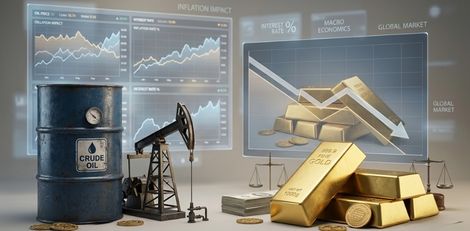
Gold and oil are usually linked because both are priced in U.S. dollars. When the dollar weakens, both typically rise. But recently, this pattern has broken.
What Changed?
- Geopolitical tensions (like conflict involving Iran) pushed investors toward safe-haven assets such as gold and the U.S. dollar.
- At the same time, oil prices surged due to supply disruptions (e.g., Strait of Hormuz issues).
Why Gold Fell Instead of Rising
Even though uncertainty usually boosts gold, rising oil prices created a different effect:
1. Higher Oil = Higher Inflation
Oil is essential for transport and production. When oil prices rise, overall costs increase, leading to inflation.
2. Inflation Leads to Higher Interest Rates
Central banks (like the Federal Reserve) may raise interest rates to control inflation.
3. Higher Rates Hurt Gold Demand
Gold and silver do not pay interest, unlike bonds. So when interest rates rise:
- Investors prefer interest-paying assets
- Demand for gold and silver drops
4. Mining Stocks Get Hit Harder
Companies like Newmont and Barrick fall because:
- Gold prices decline
- Their costs increase (fuel, transport)
- Their dividends look less attractive compared to bonds
Conclusion
High oil prices → higher inflation → higher interest rates → lower demand for gold → falling mining stocks.
This chain reaction explains why gold and silver stocks are declining even during global uncertainty.
Top Stories
-
 TNSTC Tambaram to Bengaluru Bus Timings: AC Economy and Regular Services23/Oct/2026 6:26:10 PM
 -
 Tomorrow Panchangam October 24, 2026 | Auspicious Timings, Rahu Kalam, Gulikai23/Oct/2026 5:51:42 PM
 -
 Best Areas Near Medavakkam, Chennai: A Guide to Nearby Residential and Lifestyle Localities23/Oct/2026 5:28:27 PM
 -
 Bigg Boss Tamil 10: Muniyamma’s 40 Sovereign Gold Jewellery Claim Sparks Debate23/Oct/2026 5:18:44 PM
 -
 Chennai Rain Complaint WhatsApp Number 2026: How to Register Complaints23/Oct/2026 4:50:18 PM
 -

 JB Soft System