
Why Do You Bite Your Nails - And How Can You Stop the Habit?

Nail biting is a common habit that often starts in childhood and can continue into adulthood. While it may seem harmless, it is usually linked to stress, anxiety, boredom, or unconscious behavior.
Why People Bite Their Nails
- Stress or anxiety - A coping mechanism during nervous situations
- Boredom or inactivity - Happens without conscious awareness
- Habit from childhood - Many people simply never outgrow it
- Emotional triggers - Feelings like insecurity or frustration
Why You Should Stop
Although nail biting may not cause permanent damage, it can lead to several problems:
- Damaged nail growth - Nails may grow unevenly or abnormally
- Dental issues - Risk of chipping or cracking teeth
- Health risks - Germs from hands can enter the body easily
- Skin infections - Broken skin around nails allows bacteria to enter
How to Break the Habit
Keep nails short
Short nails make biting less satisfying and reduce the urge.
Use bitter nail coatings
Special coatings with a bad taste can discourage the habit.
Take care of your nails
Maintaining clean, well-groomed nails can motivate you to avoid damaging them.
Cover your nails
Wearing gloves or nail covers can physically prevent biting.
Identify triggers
Notice when and why you bite your nails, then find healthier alternatives.
Keep hands and mouth busy
Use a stress ball, pen, or chewing gum to redirect the habit.
Start small
Focus on stopping one nail at a time instead of quitting all at once.
When to Seek Help
If nail biting continues despite trying multiple methods, it may be helpful to seek professional guidance to address underlying emotional or behavioral causes.
Final Thought
Nail biting is often an automatic habit, but with awareness and small consistent efforts, it can be controlled and eventually stopped.
Disclaimer: This content is provided for informational purposes only. It is prepared carefully to avoid any issues and should not be considered medical advice. Consult a qualified professional if the habit persists or causes health coconcerns.
Top Stories
-
 Birthday Celebration Ideas in Chennai on a Budget29/Jun/2026 5:32:22 PM
 -
 Gold Prices Stay High; Good Time to Sell Gold in Chennai29/Jun/2026 5:09:02 PM
 -

-
 Heavy Rush at Chennai Central Due to Arakkonam Train Maintenance Works29/Jun/2026 4:53:30 PM
 -
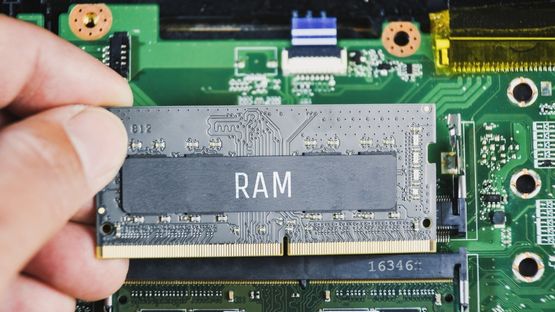 Computer RAM Prices Surge in Chennai as Global AI Demand Triggers Supply Crunch29/Jun/2026 4:31:54 PM
 -
 Chennai Train Delay Today: Arakkonam Track Work Delays Express and EMU Services29/Jun/2026 3:19:25 PM