
Madras Eye Prevention in Summer: Symptoms, Causes, and Safety Recommendations
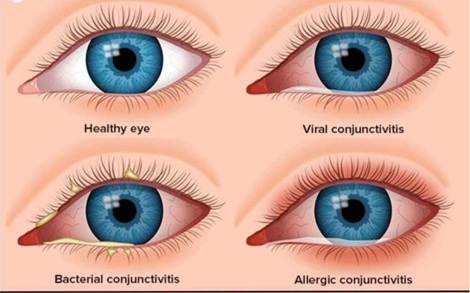
Due to the ongoing heatwave across Tamil Nadu, cases of Madras Eye (conjunctivitis) are rising. This common ocular infection spreads rapidly during the summer season due to elevated temperatures, dust exposure, and viral transmission.
Madras Eye is a contagious condition primarily caused by viral infections. Transmission occurs through direct contact, contaminated surfaces, or the sharing of personal items such as towels and handkerchiefs. Although the condition is generally mild and resolves within a few days, adherence to proper hygiene and care protocols is essential to prevent its spread.
Symptoms of Madras Eye
Common indicators of the infection include:
- Redness in one or both eyes
- A sensation of burning or itching
- Watery or sticky discharge
- Swelling of the eyelids
- Sensitivity to light
Symptoms may manifest suddenly and can spread from one eye to the other if not managed appropriately.
Factors Contributing to Spread During Heatwaves
During the summer season:
- Sweat and dust irritate the eyes
- Individuals tend to touch their eyes more frequently
- Viral infections propagate easily in crowded environments
These factors collectively increase the risk of infection.
Prevention Recommendations
To mitigate the risk of Madras Eye:
- Wash hands frequently with soap
- Refrain from touching or rubbing the eyes
- Avoid sharing personal items such as towels or cosmetics
- Maintain cleanliness of the face and surrounding environment
- Wear sunglasses to protect against sunlight and dust
- Utilize only eye drops prescribed by a medical professional
In the event of infection, limit close contact with others to prevent transmission.
Heatwave Safety Measures
In addition to ocular care, the following measures are recommended for safety during hot weather:
- Consume adequate water to maintain hydration
- Ingest cooling beverages such as buttermilk and tender coconut
- Wear light, breathable cotton clothing
- Avoid outdoor activities during peak heat hours (12:00 PM – 3:00 PM)
- Utilize caps, umbrellas, and sunglasses when outdoors
Top Stories
-
 Today Panchangam May 26 2026 | Auspicious Timings, Rahu Kalam, Gulikai25/May/2026 5:47:41 PM
 -
 Chennai Property Tax Collection Crosses ₹2,000 Crore; 75% Residents Pay Online25/May/2026 5:37:50 PM
 -

Horai Timing Tomorrow(26.05.2026)
25/May/2026 5:12:27 PM -
 Start Your Part-Time Digital Marketing Journey with Expert Support25/May/2026 4:45:00 PM
 -
 IPL 2026 Playoffs Preview: Strengths, Weaknesses and X-Factors of the Final Four25/May/2026 4:41:45 PM
 -
 LiveChennai.com Helps Chennai Businesses Reach Genuine Customers25/May/2026 4:40:55 PM