
Know the reason for the unusual colour or bloom in the Chennai beaches?
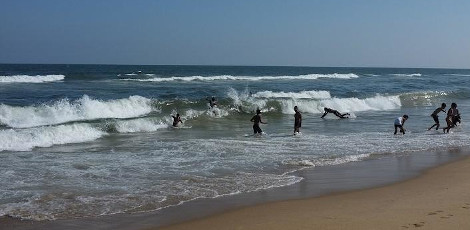
A study was conducted by NCCR or National Centre for Coastal Research. It was brought out that adequate nutrients brought by substantial rains and high abundance of plankton called diatom Thalassiosira sp was responsible for the bioluminescent bloom of Noctiluca scintillans bloom in the region.
Point to be noted is that plankton is available in the ocean and due to the availability of nutrients the plankton would multiply and would bloom. It is worthy to note that low wind speed coupled with lowering of atmospheric pressure, high rain and low sea surface temperature etc are various environmental signs. This was according to the report.
The presence and dispersion of the sudden outbreak of the bioluminescent dinoflagellate Noctiluca scintillans bloom was due to the local hydrodynamics and diverging currents. Researchers like Pravakar Mishra, Mehmuda Begum, Anitha Gera and others wrote the paper and it was published in the journal Oceanologia. The paper focussed on the occurrence of the bloom along the 16km stretch after heavy rains in August 2019.
It must be remembered that when the research team took the physical samples from various Chennai beaches like Marina, Elliots, Panaiyurkuppam and Kovalam etc the wind speed was 5 m per second, temperature dipped, rainfall was high and sea surface temperature was low.
With a distinguished distribution pattern, the density of Noctiluca scintillans varied from 1000 cells per litre to19000 cells per litre. Beaches at Paniyarkupam and Kovalam had 19000 cells per litre and 18000 cells per litre of Noctiluca scintillans. It was revealed by the research study that once the bloom reduces then the bacterial population becomes more associated with phyto-planton bloom.
Information is that bioluminescence was witnessed due to turbulence and intense wave breaking in the surf zone. This resulted in the bioluminescence in the cells of Noctiluca scintillans.
Top Stories
-
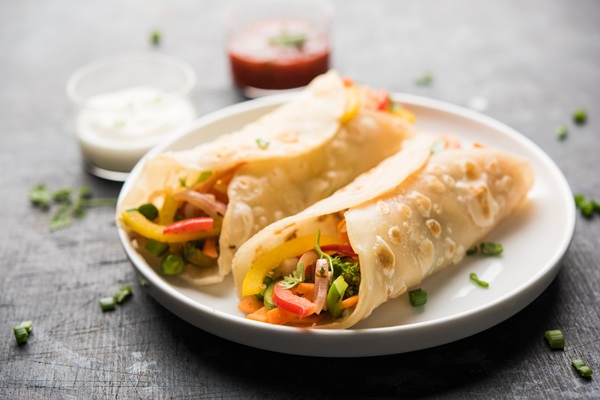 Celebrate the Spirit of Bengal with ‘Sharad Utsav’ at Anise, Taj Coromandel, Chennai15/Oct/2026 6:05:21 PM
 -
 Tomorrow Panchangam October 16, 2026 | Auspicious Timings, Rahu Kalam, Gulikai15/Oct/2026 5:51:00 PM
 -
 JioHotstar’s ‘Resort’ and ‘Heart Beat’ Win Audiences Across Languages15/Oct/2026 5:20:02 PM
 -
 JB Soft System Launches an Elegant Website for ARS Moondrezuthu Mahal, Ranipet15/Oct/2026 5:10:22 PM
 -
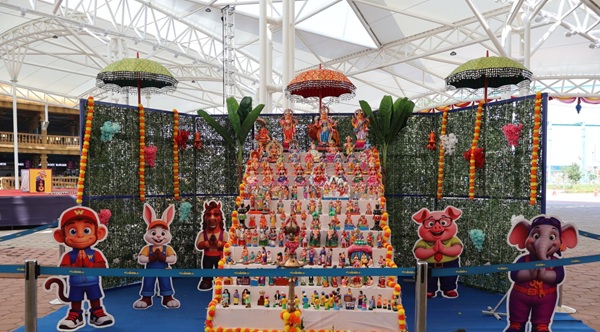 Wonderla Chennai Celebrates Navarathri with Golu, Dandiya Nights and Festive Entertainment15/Oct/2026 4:48:11 PM
 -
 Bigg Boss Tamil 10: Weekend Episode Fashion: Chandhini, Dhanya and Other Contestants Impress15/Oct/2026 4:42:30 PM

 JB Soft System