
Tamil Nadu Announces Rs 3,000 Pongal Cash Gift for Ration Card Holders
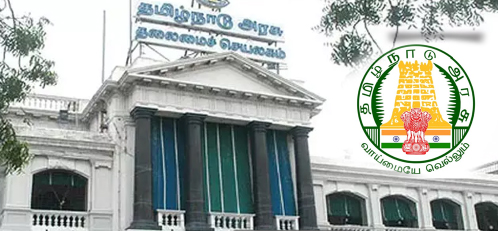
The Tamil Nadu government has announced a ₹3,000 cash gift along with Pongal gift hampers for all rice ration card-holders, following the directions of Chief Minister M.K. Stalin. Families residing in Sri Lankan Tamil rehabilitation camps will also receive the cash assistance.
Over 2.22 crore families are set to benefit from the scheme, with the State government spending ₹6,936 crore. The Pongal gift hamper will include rice, sugar and sugarcane, and free dhotis and saris will also be distributed. The distribution is expected to be launched soon, and tokens are already being issued to eligible beneficiaries.
Top Stories
-
 Tomorrow Panchangam September 18, 2026 | Auspicious Timings, Rahu Kalam, Gulikai17/Sep/2026 5:52:10 PM
 -
 Saveetha Engineering College Admission 2026: Courses, Fees and Dates17/Sep/2026 5:09:26 PM
 -
 Tamil Nadu Weather: Heavy Rain Likely in 6 Districts Today17/Sep/2026 4:54:58 PM
 -
 What Is Credit Card EMI and How Does It Work? A Complete Guide17/Sep/2026 4:39:59 PM
 -
 Friday Elite Tamil Night in Chennai: Party Till 2 AM at Willows17/Sep/2026 4:31:53 PM
 -
 Nissan Magnite Price Hike: Variant Wise Price Changes Explained17/Sep/2026 3:34:23 PM