
How to Get Rid of Head Lice Naturally: Easy Home Solutions
Head lice are tiny parasitic insects that spread easily from person to person. They can transfer through shared combs, towels, bedding, or close contact. Apart from feeding on blood, lice cause intense itching, which may lead to scratching, scalp irritation, and even damage to hair roots.
Children - especially school-going girls - are more commonly affected due to close interaction in classrooms. Since lice multiply quickly, early treatment is important to prevent further spread.
Here are some commonly used home remedies that may help manage lice problems:
1. Neem Leaves and Basil
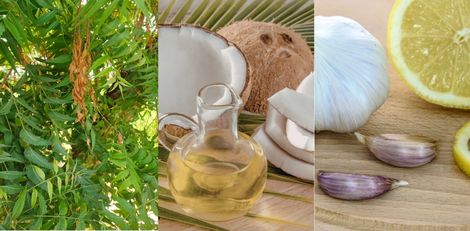
Neem is known for its antimicrobial properties, while basil may help soothe the scalp. Grinding neem and basil leaves into a paste and applying it to the scalp roots twice a week may help reduce lice activity.
2. Coconut Oil and Camphor
Powdered camphor mixed with coconut oil can be applied to the scalp and left overnight. Washing hair the next morning may help eliminate lice. Camphor is believed to have anti-parasitic properties.
3. Salt and Vinegar Spray
A mixture of salt and vinegar sprayed onto the scalp roots and left for about two hours before washing may help loosen lice and nits.
4. Garlic and Lemon Juice
Garlic has a strong odor that lice may find uncomfortable. Applying a paste of crushed garlic mixed with a little lemon juice to the scalp for 30 minutes before rinsing may assist in lice removal. This can be done once a week.
5. Petroleum Jelly
Applying petroleum jelly to the scalp overnight may help suffocate lice. The next morning, apply coconut oil and comb thoroughly with a lice comb before washing.
Additional Tips
- Use a fine-toothed lice comb regularly. - Avoid sharing personal hair accessories. - Wash bedding, towels, and clothing in hot water to prevent reinfestation.
Final Note
Head lice are common and manageable with timely care and hygiene practices. Prompt action can prevent spreading and reduce scalp irritation.
Disclaimer: This content is provided for informational purposes only and is prepared to avoid any misunderstandings or issues. It should not be considered professional medical advice. Consult a healthcare professional for persistent or severe scalp conditions.
Top Stories
-
 Power Shutdown Areas in Chennai - Monday (03-08-2026)02/Aug/2026 8:42:48 AM
 -
 Tomorrow Panchangam August 03, 2026 | Auspicious Timings, Rahu Kalam, Gulikai02/Aug/2026 8:36:32 AM
 -
 Tomorrow Panchangam August 02, 2026 | Auspicious Timings, Rahu Kalam, Gulikai01/Aug/2026 11:28:12 PM
 -
 This Friendship Day, Airtel Brings Back a Timeless Tradition - With a Modern Twist01/Aug/2026 6:58:33 PM
 -

-
 Chennai Metro Sets New Passenger Record: Over 10.63 Million Riders in July 202601/Aug/2026 6:38:30 PM