
Thalli Assembly Constituency – Election Details, MLAs, Results, Candidates & Vote Share
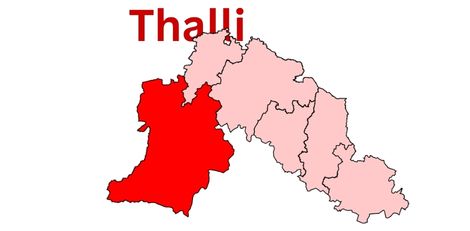
Constituency No: 56
Location Highlights: Thalli is a scenic town in Krishnagiri district of Tamil Nadu, located close to the Karnataka border. Known for its cool climate and lush greenery, it is often referred to as the “Little England of Krishnagiri.” The region is surrounded by hills and valleys and has good road connectivity to nearby towns and Karnataka.
Demographics: The constituency has a mixed population of rural and semi-urban communities. People are engaged in agriculture, horticulture, and allied activities, with a balanced representation of various social and economic groups.
Main Industries: Horticulture, Agriculture, Small-scale Industries, Trade
Administrative Divisions:
- Denkanikottai Taluk (Part)
- Rural and Hill Area Villages
Borders: Located near the Karnataka state border and surrounded by constituencies in Krishnagiri district and falls under Krishnagiri Lok Sabha constituency.
2021 Assembly Election Results:
- Winner: T. Ramachandran (Communist Party of India) – 120,641 votes
- Runner-up: Dr. C. Nagesh Kumar (Bharatiya Janata Party) – 64,415 votes
Voter Details:
| Category | Count |
|---|---|
| Men: | 128,625 |
| Women: | 121,915 |
| Third Gender: | 39 |
| Total Voters: | 250,579 |
MLA History:
| MLA Name | Year | Party |
|---|---|---|
| D. R. Rajaram Naidu | 1977 | Indian National Congress |
| D. R. Rajaram Naidu | 1980 | Indian National Congress |
| K. V. Venugopal | 1984 | Indian National Congress |
| D. C. Vijayendraiyah | 1989 | Janata Party |
| M. Venkatarama Reddy | 1991 | Indian National Congress |
| S. Raja Reddy | 1996 | Communist Party of India |
| K. V. Muralidharan | 2001 | Bharatiya Janata Party |
| T. Ramachandran | 2006 | Independent |
| T. Ramachandran | 2011 | Communist Party of India |
| Y. Prakaash | 2016 | Dravida Munnetra Kazhagam |
| T. Ramachandran | 2021 | Communist Party of India |
Top Stories
-
 Dengue Cases Rise in Tamil Nadu: 17,649 Cases Reported So Far23/Sep/2026 12:41:29 PM
 -
 10th and 12th Public Exam: Government Issues New Name Entry Rules for Students23/Sep/2026 12:29:16 PM
 -
 Chennai Traffic Changes on OMR, Thoraipakkam23/Sep/2026 12:06:17 PM
 -
 Drooling While Sleeping: Causes, Reasons and Warning Signs23/Sep/2026 11:57:57 AM
 -
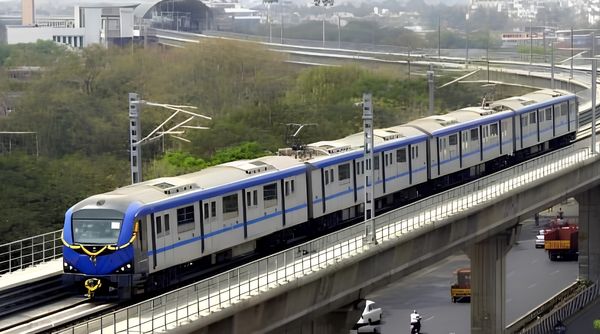 Chennai Metro Phase 2: 14.64 Km Stretch Awaits Inauguration Date23/Sep/2026 11:38:55 AM
 -
 Bank Employees Announce Three Day Nationwide Strike From September 2823/Sep/2026 10:57:27 AM