
The Dangers of High Cholesterol: A Silent Threat to Heart Health
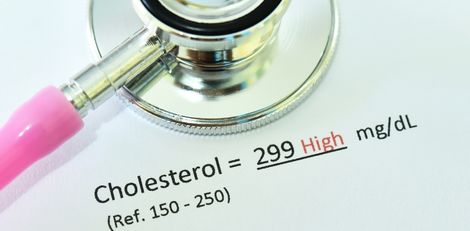
High cholesterol is a common yet often unnoticed health condition that can quietly damage the body over time. Known as a “silent threat,” it usually shows no symptoms until it leads to serious complications.
What Happens in the Body
Cholesterol is a type of fat produced by the liver and also found in certain foods. When levels become too high, it can build up in the arteries, forming plaque that narrows and hardens blood vessels.
This restricts blood flow, increasing the risk of major cardiovascular problems.
Why High Cholesterol Is Dangerous
If left untreated, high cholesterol can lead to:
- Heart Attack: Blocked blood flow to the heart due to clot formation
- Stroke: Reduced or blocked blood supply to the brain
- Peripheral Artery Disease: Reduced blood flow to limbs, causing pain and complications
- Angina: Chest pain caused by limited blood flow to the heart
- Chronic Kidney Disease: Damage to kidney blood vessels
- Atherosclerosis: Hardening and narrowing of arteries
Types of Cholesterol
- LDL (Low-Density Lipoprotein): Known as “bad cholesterol,” it contributes to plaque buildup
- HDL (High-Density Lipoprotein): Known as “good cholesterol,” it helps remove excess cholesterol from the bloodstream
Maintaining a balance between these two is essential for heart health.
Risk Factors
Several factors can increase the risk of high cholesterol:
- Unhealthy diet (high in saturated and trans fats)
- Obesity or excess body weight
- Lack of physical activity
- Increasing age
- Family history of cholesterol issues
- Medical conditions like diabetes or thyroid disorders
How to Manage and Reduce Cholesterol
Healthy Diet
- Eat foods rich in fiber such as fruits, vegetables, and whole grains
- Choose lean proteins like fish, poultry, and plant-based options
Regular Exercise
- Physical activity helps lower LDL and increase HDL levels
Maintain a Healthy Weight
- Weight control plays a key role in managing cholesterol
Quit Smoking
- Smoking worsens cholesterol levels and increases heart disease risk
- Doctors may prescribe cholesterol-lowering drugs when lifestyle changes are not enough
Key Takeaway
High cholesterol may not show symptoms, but it can lead to serious and life-threatening conditions. Regular health checks, along with healthy lifestyle choices, can significantly reduce risks and improve overall well-being.
Disclaimer: This content is for informational purposes only. It is prepared carefully to avoid any issues or misunderstandings and should not be considered medical advice. Always consult a qualified healthcare professional for proper diagnosis and treatment.
Top Stories
-
 Auspicious Timings, Rahu Kalam and Panchangam for June 15, 2026 (Monday)13/Jun/2026 4:55:04 PM
 -
 Tomorrow Panchangam June 14 2026 | Auspicious Timings, Rahu Kalam, Gulikai13/Jun/2026 4:54:08 PM
 -
 Power Shutdown Areas in Chennai - Sunday (14-06-2026)13/Jun/2026 4:26:01 PM
 -
 Top 10 Busiest Railway Stations in Tamil Nadu 2025-26 - Watch Full Video13/Jun/2026 4:09:58 PM
 -
 Paint Like Picasso: Unique Art Workshop in Chennai at Third Wave Coffee Kilpauk13/Jun/2026 4:05:11 PM
 -
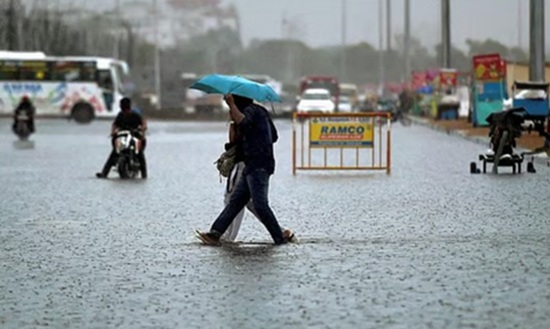 Heavy Rain Likely in Tirupathur, Vellore and Tiruvannamalai Today: Weather Department13/Jun/2026 3:57:09 PM