
Healthy Living: Smart Ways to Stay Cool During Summer Heat

While sunny days can be enjoyable, excessive heat can pose serious health risks such as dehydration, heat cramps, heat exhaustion, and even heat stroke. Taking simple precautions can help you stay safe and comfortable during hot weather.
Simple Tips to Beat the Heat
Choose Breathable Clothing
- Wear loose-fitting, light-colored fabrics like cotton or linen. These materials allow better airflow, while dark colors tend to absorb more heat.
Stay Hydrated with Smart Choices
- Drink fluids regularly, including lemon water, to help replace salts lost through sweating. However, use a straw to protect your teeth from acidity.
Eat Light and Cooling Foods
- Avoid heavy meals rich in fat and protein, as they generate more body heat during digestion. Opt for fresh salads and hydrating foods instead.
Cool Your Body Effectively
- Apply cold items like frozen water bottles to pulse points such as the wrists, neck, behind the ears, and knees to quickly lower body temperature.
Care for Sun-Exposed Skin
- Use moisturizers with aloe vera to soothe sunburn, as damaged skin loses its ability to regulate heat efficiently.
Block Heat from Entering Your Home
- Install room-darkening curtains to reduce sunlight and indoor heat buildup.
Reduce Indoor Heat Sources
- Avoid using appliances like dryers and ovens during peak heat. Instead, air-dry clothes and use alternatives like outdoor grilling or slow cooking.
Switch to Energy-Efficient Lighting
- Replace traditional bulbs with LED lights, which produce less heat and reduce cooling needs.
Limit Heat Exposure
- Stay indoors or in air-conditioned environments as much as possible. Even a short time in a cool space can significantly reduce the risk of heat-related illness.
Key Takeaway
Managing summer heat is about reducing exposure, staying hydrated, and making smart lifestyle choices. Small changes can prevent serious heat-related health problems.
Disclaimer: This content is for informational purposes only. It is prepared carefully to avoid any issues or misunderstandings and should not be considered medical advice. Always follow proper safety measures and consult professionals if needed.
Top Stories
-
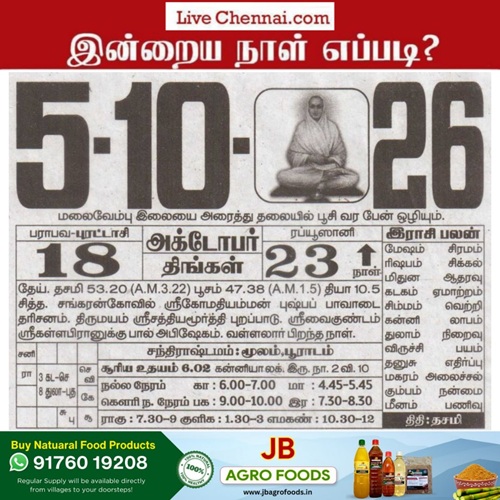 Today Nalla Neram October 5, 2026 – Rahu Kalam, Yamagandam & Tamil Panchangam03/Oct/2026 6:22:39 PM
 -
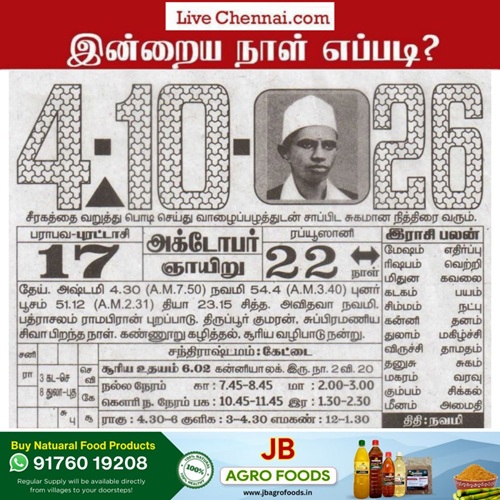 Tomorrow Panchangam October 04, 2026 | Auspicious Timings, Rahu Kalam, Gulikai03/Oct/2026 6:21:18 PM
 -
 Bigg Boss Tamil 10 Day 26: Javeed, Dhanya, Savinya and Ashmitha Face Major Twist03/Oct/2026 5:30:20 PM
 -
 How to Apply for Thai Maaman Thanga Mothiram Thittam 2026?03/Oct/2026 4:27:27 PM
 -
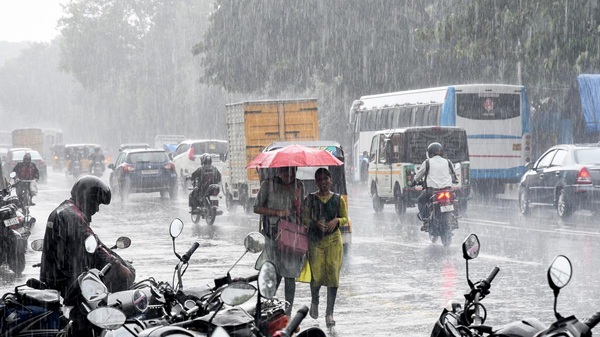 Tamil Nadu Weather Update: Moderate Rain Expected in 6 Districts03/Oct/2026 3:52:20 PM
 -
 Chennai Flood-Free Areas: 10 Safer Residential Localities - Watch the Full Video03/Oct/2026 3:48:19 PM

 JB Soft System