
Eating Too Much Protein: Health Risks and Side Effects
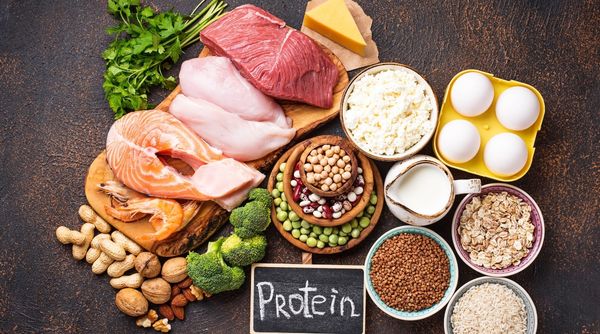
Protein is an essential nutrient that supports muscle growth, tissue repair and overall health. However, consuming more protein than your body needs does not necessarily provide additional benefits. A balanced diet is important even when increasing protein intake.
How Much Protein Do You Need?
Protein requirements vary depending on factors such as age, body weight and physical activity. Adults generally need a moderate amount of protein each day, while people who exercise regularly or older adults may require more.
For a person weighing around 68 kg, a daily intake of roughly 80 to 110 grams may be appropriate based on commonly used dietary guidelines. Individual requirements can vary, so protein intake should be adjusted according to personal needs.
Rather than consuming a very large amount in one meal, spreading protein intake throughout the day can help provide a balanced nutritional intake.
What Happens If You Eat Too Much Protein?
Regularly consuming excessive amounts of protein, particularly from animal-based foods or supplements, may have some drawbacks.
Kidney concerns: The kidneys process waste produced when protein is broken down. People with existing kidney problems may need to be particularly careful about high-protein diets.
Kidney stones: Very high intake of animal protein may increase the risk of kidney stones in some people.
Nutrient imbalance: Eating too many protein-rich foods may reduce the amount of fruits, vegetables, whole grains and other foods in the diet, potentially lowering fibre and other nutrient intake.
Heart health: Diets high in red and processed meats may contain significant amounts of saturated fat, which can affect heart health.
Signs You May Be Eating Too Much Protein
Some people may experience certain symptoms when their protein intake is excessive or when protein-rich foods replace other important foods.
Common signs can include:
- Constipation due to inadequate fibre intake
- Increased thirst or dehydration
- Bad breath, particularly with very low-carbohydrate diets
- Weight gain if excess protein adds more calories than the body needs
Protein contains calories, so consuming large amounts can contribute to excess calorie intake.
How to Maintain a Balanced Protein Intake
You do not need to add protein to every food or rely heavily on protein supplements. Instead, focus on meeting your individual requirements through a varied diet.
- Include protein in different meals throughout the day.
- Choose a variety y of protein sources, including beans, lentils, nuts, seeds, eggs, fish and other foods according to your dietary preferences.
- Include fruits, vegetables and whole grains to maintain adequate fibre and nutrient intake.
- Use protein powders only when they are needed to meet your nutritional requirements.
- Avoid increasing protein intake simply because high-protein foods and products are widely available.
- Consider your age, activity level and overall dietary needs when determining how much protein to consume.
Disclaimer: This article is for general informational purposes only and should not be considered a substitute for professional medical advice, diagnosis, or treatment.
Top Stories
-
 Tamil Nadu Weather Update: Moderate Rain Likely in Several Areas from September 24 to 2924/Sep/2026 11:05:17 AM
 -
 Banks to Remain Open This Sunday Due to Strike: Government Decision24/Sep/2026 11:01:32 AM
 -
 Gummidipoondi Railway Signal Failure Causes Train Delays, Passengers Face Hardship24/Sep/2026 11:01:14 AM
 -
Eating Too Much Protein: Health Risks and Side Effects24/Sep/2026 10:45:11 AM
-

-


 JB Soft System