
World Post Day 2026: 5 Interesting Facts About the History of Postal Services
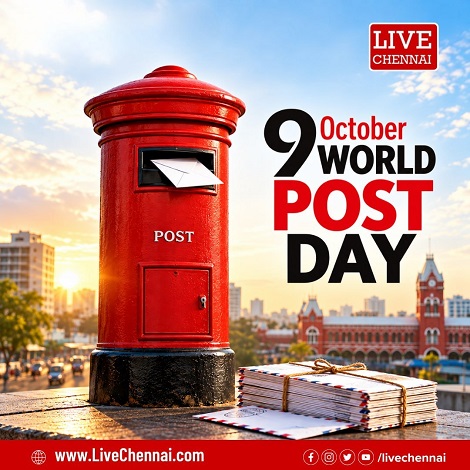
World Post Day 2026 is observed on October 9, highlighting the importance of postal services in connecting people, supporting businesses and delivering essential services worldwide. This year’s theme, “One postal network, infinite possibilities,” reflects the changing role of postal networks in banking, healthcare access, e-commerce and social communication.
The day marks the founding of the Universal Postal Union (UPU) on October 9, 1874, in Bern, Switzerland. From traditional letter delivery to modern logistics and financial services, postal systems continue to play an important role in everyday life. Here are five interesting facts about World Post Day and the global postal network.
1. An Indian Delegate Proposed World Post Day
World Post Day was officially declared at the Universal Postal Congress in Tokyo, Japan, in 1969. The proposal was put forward by Indian delegate Anand Mohan Narula to recognise the contribution of postal services to international communication.
October 9 was chosen to commemorate the establishment of the Universal Postal Union. Since then, countries worldwide have used the occasion to highlight the importance of reliable and accessible postal services.
2. The Universal Postal Union Began in 1874
The Universal Postal Union was established through the Treaty of Bern on October 9, 1874, with 22 countries signing the agreement. It helped simplify international mail delivery by introducing common rules and improving cooperation between national postal administrations.
Before its formation, sending mail across borders could involve complicated procedures and different postal agreements. The UPU helped create a more coordinated international system. In 1948, it became a specialised agency of the United Nations, strengthening its role in global postal cooperation.
3. The World Postal Network Has More Than 660,000 Offices
The global postal network is one of the world`s largest physical service systems, with more than 660,000 post offices and approximately 4.6 million employees.
Its reach extends from major cities to remote rural communities, helping people access essential services. In addition to delivering letters and parcels, postal networks support financial transactions, e-commerce deliveries and healthcare-related logistics. They can also assist communities during emergencies and natural disasters.
4. India`s Postal History Dates Back to 1852
India has a long postal history, with important developments during the 19th century. The Scinde Dawk, introduced in 1852 in the Sind region, is widely recognised as the first postage stamp issued in Asia.
Lord Dalhousie also played a significant r role in modernising India`s postal administration. Major reforms introduced in 1854 helped establish a more unified postal system and laid the foundation for modern postal services in the country.
Today, India Post provides mail delivery, savings schemes, remittance services and other essential services, particularly benefiting communities across rural India.
5. Philately Preserves History Through Postage Stamps
The collection and study of postage stamps and postal history is known as philately. People who collect stamps are called philatelists.
Postage stamps often showcase national leaders, freedom fighters, cultural traditions, wildlife, monuments and important historical events. India and other countries issue commemorative stamps to celebrate achievements and preserve cultural heritage. For collectors, these stamps offer valuable insights into a country`s history and identity.
World Post Day Highlights the Future of Postal Services
World Post Day 2026 underlines how postal services continue to evolve alongside digital technology. Although electronic communication has changed how people exchange information, postal networks remain essential for delivering goods, connecting communities and supporting financial inclusion.
The theme “One postal network, infinite possibilities” highlights the growing opportunities for postal services in a connected world, where traditional delivery networks continue to support trade, communication and public access to essential services.
Top Stories
-
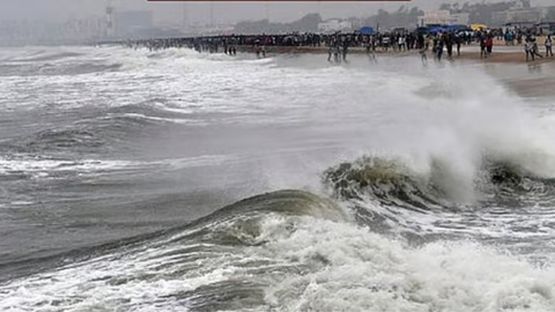 A new low-pressure area is likely to form over the Bay of Bengal October 13.09/Oct/2026 10:03:41 AM
 -
 India’s Wind Energy Sector Set for 8 GW Installations in FY2709/Oct/2026 9:50:14 AM
 -
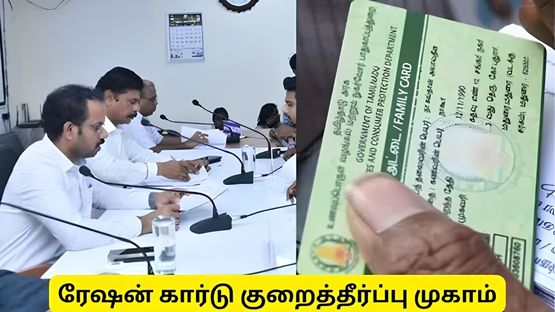 Chennai Ration Card Grievance Camp on October 10 in 19 Zones09/Oct/2026 9:44:00 AM
 -
World Post Day 2026: 5 Interesting Facts About the History of Postal Services09/Oct/2026 9:26:07 AM
-
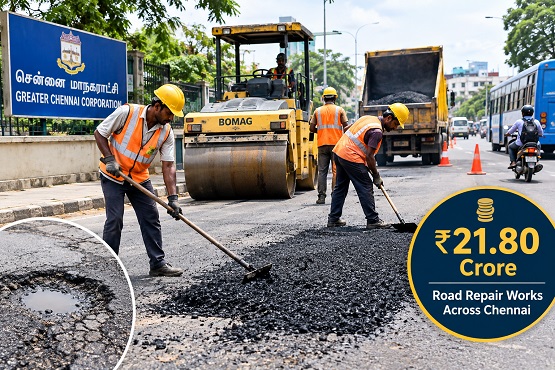 Chennai Corporation Begins Road Repairs Worth ₹21.80 Crore
09/Oct/2026 9:20:32 AM -
 Joyalukkas Chairman Joy Alukkas Adds Cessna Citation XLS+ Private Jet09/Oct/2026 7:31:24 AM

 JB Soft System