
Dormant Bank Account? How to Reactivate It Without Paying Any Penalty
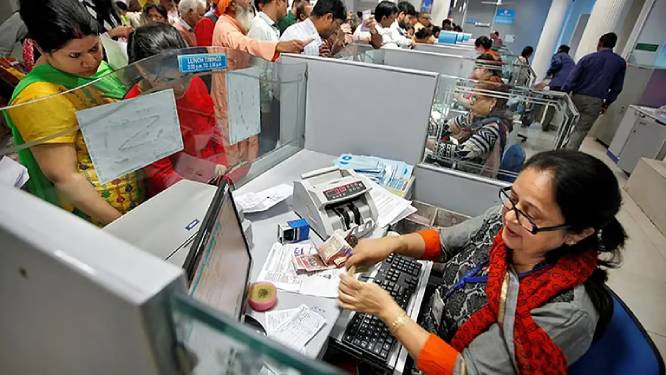
Have you left a bank account unused for several years and are now wondering how to access the money in it? In India, bank accounts that remain inactive for extended periods may be classified as inactive or dormant. However, account holders can generally reactivate them by completing the required procedures, including updating their Know Your Customer (KYC) details when necessary.
Here is how to reactivate an unused bank account, the documents you may need and how to check for unclaimed deposits.
What Happens When You Leave a Bank Account Unused?
Bank accounts are classified based on the period during which there have been no customer-initiated transactions.
- Inactive account: An account may be classified as inactive after one year without customer-initiated transactions, depending on the applicable banking rules.
- Dormant account: Under RBI guidelines, a savings or current account generally becomes inoperative after more than two years without customer-induced transactions.
- Unclaimed deposits: If an account or deposit remains unclaimed for ten years or more, the balance is transferred to the Reserve Bank of India`s Depositor Education and Awareness (DEA) Fund. Customers can still claim eligible funds through the bank.
According to the supplied report, unclaimed bank deposits in the DEA Fund amounted to approximately ₹86,000 crore as of June 30, 2026.
Which Transactions Help Keep a Bank Account Active?
Customer-initiated transactions may include:
- Depositing or withdrawing money
- Transferring funds through NEFT, IMPS or UPI
- Using cheques for transactions
- Certain debit card transactions
- Qualifying transactions through internet or mobile banking
- Updating KYC details, where recognised by the bank`s applicable procedures
Simply receiving interest or other bank-initiated credits may not count as a customer-initiated transaction for determining whether an account is inoperative.
How to Reactivate an Inactive Bank Account
If your account has recently become inactive, contact your bank or check its official instructions. Depending on the account`s status and the bank`s procedures, a qualifying customer-initiated transaction may restore activity.
If the account has been classified as dormant or inoperative, you will generally need to submit a reactivation request and complete the required KYC verification.
Documents Required to Reactivate a Dormant Account
Banks may request the following documents, depending on the customer`s existing records and KYC status:
- Aadhaar card or another officially valid identity document
- PAN card or Form 60, where applicable
- Recent passport-size photograph, if required
- Bank passbook or account details
- Completed account reactivation request form
- Updated address or other supporting documents, if necessary
Contact your bank before visiting a branch to confirm its exact document requirements.
Can You Reactivate a Dormant Account Without Paying a Fee?
Under RBI guidelines, banks cannot charge customers a fee for activating an inoperative account. Customers should also chcheck the bank`s instructions for completing the process through a branch or any available approved digital channel.
The time required for reactivation depends on the bank`s verification process. The supplied report states that reactivation may take around three days, but customers should confirm the expected timeline with their bank.
How to Recover Money Transferred to the RBI`s DEA Fund
If your bank balance was transferred to the DEA Fund because the deposit remained unclaimed for ten years or more, you do not automatically lose your right to claim it.
Follow these steps:
1. Visit the RBI`s UDGAM portal: https://udgam.rbi.org.in/unclaimed-deposits/
2. Enter the requested details to search for unclaimed deposits linked to you.
3. Identify the bank holding the unclaimed deposit.
4. Contact the bank and follow its claim procedure.
5. Complete the necessary KYC verification and submit the claim form and supporting documents.
The UDGAM portal helps users search for unclaimed deposits. The actual claim must be processed through the concerned bank, which will verify the details before releasing eligible funds.
How to Prevent Your Bank Account from Becoming Dormant
You can reduce the risk of an account becoming inoperative by following these precautions:
- Close bank accounts that you no longer need, after checking for pending payments and linked services.
- Make occasional customer-initiated transactions in accounts you want to keep active.
- Keep your mobile number, email address and residential address updated with the bank.
- Respond promptly to bank notifications about inactive accounts.
- Check your account status periodically through official banking channels.
Conclusion
An unused bank account does not necessarily mean your money is lost. By contacting your bank, updating KYC details where required and following the applicable reactivation process, you can regain access to eligible funds. If you suspect that an old deposit has become unclaimed, the RBI`s UDGAM portal can help you locate it.
Always confirm the latest requirements with your bank and use official channels when submitting identity documents or making a claim.
Top Stories
-
 Tomorrow Panchangam October 15, 2026 | Auspicious Timings, Rahu Kalam, Gulikai14/Oct/2026 5:47:40 PM
 -
 Sales Growth Starts with a Smarter Sales Strategy14/Oct/2026 5:17:58 PM
 -
-
 Bigg Boss Tamil 10: Jason and Shanthini’s Conversations Catch Viewers’ Attention14/Oct/2026 5:08:59 PM
 -
Dormant Bank Account? How to Reactivate It Without Paying Any Penalty14/Oct/2026 4:56:14 PM
-
 Buying Gold Jewellery? Check These 6 Things Before Paying Your Bill14/Oct/2026 4:53:59 PM

 JB Soft System