
World Heart Day 2026: Know the Warning Signs and Take Care of Your Heart
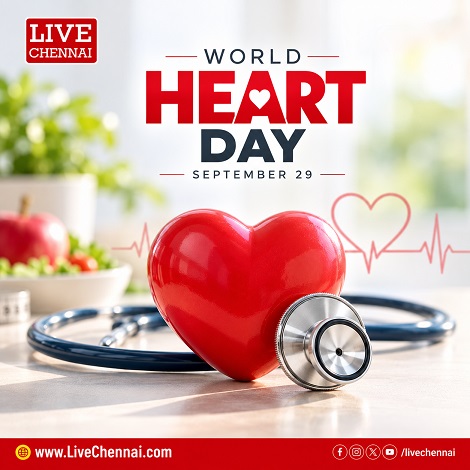
World Heart Day 2026: Heart disease can develop quietly, sometimes without obvious warning signs. As lifestyle-related risk factors continue to affect people of different age groups, awareness, regular health checks and healthy daily habits remain important parts of protecting cardiovascular health.
Observed every year on September 29, World Heart Day brings attention to cardiovascular disease and encourages people to focus on prevention, early detection and timely care. The initiative was established in 2000 by the World Heart Federation in partnership with the World Health Organization.
World Heart Day 2026 Theme
For 2026, the World Heart Federation is highlighting “Don’t Miss a Beat”, focusing on the fact that heart disease can sometimes go unnoticed. The campaign encourages people to recognise warning signs, protect their heart through healthier choices and support stronger action on cardiovascular prevention and care.
Who Is at Risk of Heart Disease?
Heart problems are not limited to older adults. Risk can increase with factors such as:
- High blood pressure
- High cholesterol
- Diabetes
- Smoking and tobacco use
- Overweight or obesity
- Physical inactivity
- Unhealthy diet
- Chronic stress
- Poor sleep
- Family history of heart disease
- Increasing age
Some of these conditions may develop without noticeable symptoms, which is why routine health checks can be useful.
Warning Signs You Should Not Ignore
Heart problems do not always begin with severe chest pain. Warning signs can include:
- Chest pain, pressure or discomfort
- Shortness of breath
- Pain spreading to the arm, shoulder, neck, jaw or back
- Unusual or persistent fatigue
- Rapid or irregular heartbeat
- Dizziness or fainting
- Swelling in the legs or feet
- Cold sweats, nausea or vomiting, particularly when accompanied by chest discomfort or breathing difficulty
Sudden or severe symptoms, particularly those suggesting a heart attack, require immediate medical attention.
Heart Health Tests
Depending on an individual`s age, health history and risk factors, doctors may recommend tests such as:
Blood Pressure Check: Helps identify hypertension, whichch may have no obvious symptoms.
Lipid Profile: Measures cholesterol and triglycerides and helps assess cardiovascular risk.
Blood Sugar Tests: Fasting blood sugar and HbA1c can help identify diabetes or prediabetes.
ECG: Records the heart`s electrical activity and can help identify certain rhythm abnormalities and other cardiac concerns.
Echocardiogram: Uses ultrasound to examine the heart`s structure and function.
Stress Test: Evaluates how the heart responds to physical activity.
Cardiac CT: In selected individuals, cardiac CT or coronary calcium scoring may help assess coronary artery disease risk.
Doctors may also consider age, family history, blood pressure, cholesterol, diabetes, smoking and lifestyle when assessing overall cardiovascular risk.
Simple Habits Can Make a Difference
Looking after the heart does not necessarily require dramatic changes. Regular physical activity, a balanced diet, maintaining a healthy weight, avoiding tobacco, managing stress and getting adequate sleep can all support cardiovascular health.
The World Heart Federation`s 2026 campaign also encourages people to make movement part of everyday life, including activities such as walking, cycling, dancing and sport.
Take Heart Health Seriously
World Heart Day is a useful reminder not to wait for symptoms before thinking about cardiovascular health. Knowing your risk factors, keeping up with routine check-ups and paying attention to warning signs can help you take timely action.
If you have concerns about your heart health or experience symptoms that worry you, speak with a qualified healthcare professional or cardiologist for appropriate evaluation and advice.
Top Stories
-
 Chennai Gold Rate Today, September 29, 2026: Gold Prices Decline29/Sep/2026 10:07:46 AM
 -
 Coimbatore - Nagercoil Train to Run on Alternate Route on September 29 and October 129/Sep/2026 9:58:23 AM
 -
 Perungalathur Park Remains Closed for Over Eight Months After Renovation29/Sep/2026 9:50:00 AM
 -
 Vithya Ramraj Breaks PT Usha’s 42-Year-Old Record; Tamil Nadu Announces ₹30 Lakh Reward29/Sep/2026 9:44:47 AM
 -
 Tomorrow is the last day to pay property tax!29/Sep/2026 9:42:12 AM
 -
World Heart Day 2026: Know the Warning Signs and Take Care of Your Heart29/Sep/2026 9:05:03 AM

 JB Soft System