
Breast Cancer: Causes, Symptoms, Diagnosis, and Treatment
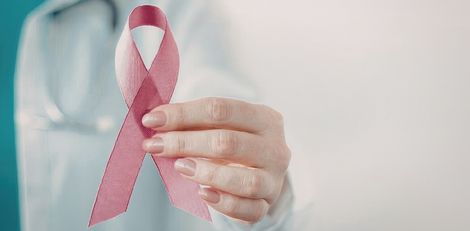
Breast cancer is a disease in which abnormal cells in the breast grow uncontrollably and form a tumor. It usually begins in the milk ducts or lobules of the breast. If not treated early, the cancer can spread to nearby tissues and lymph nodes. Although breast cancer mainly affects women, men can also develop it, though this is uncommon.
Symptoms
In the early stages, breast cancer may not show clear symptoms. However, some common warning signs include:
- A new lump in the breast or underarm
- Changes in the size or shape of the breast
- Breast pain or discomfort
- Skin changes such as redness, dimpling, or thickening
- Nipple discharge or a nipple turning inward
Types
Breast cancer is generally divided into two main types:
- Noninvasive breast cancer: The cancer remains within the ducts or lobules and has not spread to nearby tissues. Examples include DCIS (Ductal Carcinoma in Situ) and LCIS (Lobular Carcinoma in Situ).
- Invasive breast cancer: The cancer spreads beyond the ducts or lobules into surrounding breast tissue. Common types include IDC (Invasive Ductal Carcinoma) and ILC (Invasive Lobular Carcinoma).
Risk Factors
Several factors can increase the risk of developing breast cancer, including:
- Increasing age
- A family history of breast cancer
- Genetic mutations such as BRCA1 or BRCA2
- Alcohol consumption
- Lack of physical activity
Diagnosis
Doctors use several tests to diagnose breast cancer:
- Mammogram: An X-ray image of the breast used to detect abnormal growths
- Ultrasound: Helps examine breast lumps or suspicious areas
- Breast biopsy: A small tissue sample is taken and tested to confirm the presence of cancer cells
Stages
Breast cancer is classified into stages 0 to 4, depending on the size of the tumor and how far the cancer has spread. Detecting cancer at an early stage greatly improves treatment success.
Treatment
Treatment options depend on the stage and type of breast cancer. Common treatments include:
- Surgery: Removing the tumor (lumpectomy) or the entire breast (mastectomy)
- Radiation therapy: Using
- Chemotherapy: Medicines that kill or slow the growth of cancer cells
- Hormone therapy: Blocking hormones that help certain cancers grow
Prevention
Although breast cancer cannot always be prevented, the risk may be reduced by:
- Maintaining a healthy weight
- Exercising regularly
- Limiting alcohol consumption
- Undergoing regular breast screenings and check-ups
Takeaway
Breast cancer is one of the most common cancers among women worldwide. However, early detection and modern treatments have significantly improved survival rates. Being aware of symptoms and getting regular screenings can help in identifying the disease at an early stage.
Disclaimer
This information is intended for educational purposes only and should not replace professional medical advice. Always consult a qualified healthcare professional for diagnosis and treatment.
Top Stories
-
 Prem Anand Sinha Takes Charge as Tamil Nadu Vigilance Director12/Oct/2026 2:14:18 PM
 -
 Chennai Voter Registration Drive Receives 2,483 Forms in Two Days12/Oct/2026 2:07:20 PM
 -
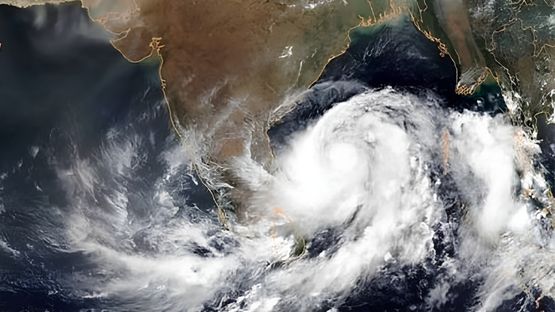 New Low - Pressure Area Likely to Form in Bay of Bengal Tomorrow12/Oct/2026 1:03:50 PM
 -
 25,000 People Travel on New Poonamallee - Vadapalani Metro Rail Service12/Oct/2026 12:26:46 PM
 -
 Gold Hallmarking Fee Hiked to ₹75 from ₹45: What Jewellery Buyers Need to Know12/Oct/2026 12:04:36 PM
 -
 Poonamallee - Vadapalani Metro Fare: Ticket Prices and Stations12/Oct/2026 11:40:35 AM

 JB Soft System