
Arulmigu Vadivudai Amman Sametha Thyagaraja Swamy Temple, Tiruvottiyur : Chenani
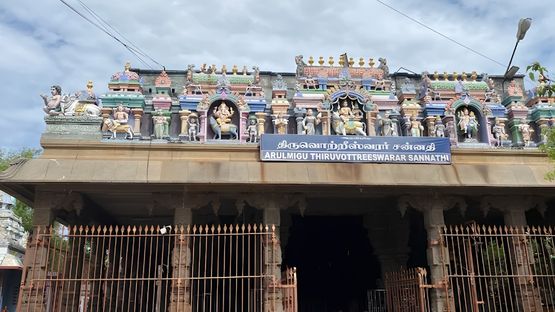
Arulmigu Vadivudai Amman Sametha Thyagaraja Swamy Temple is one of the ancient and significant Shiva temples in Tiruvottiyur, Chennai. The presiding deity is Adhipureeswarar, a form of Lord Shiva, and the temple is also popularly known as Thyagaraja Swamy Temple. In ancient times, Tiruvottiyur was known as Adhipuri, while the temple was referred to as the Adhipureeswarar Temple.
History
The temple is believed to date back to the 7th century and has a long history associated with the Pallava and Chola dynasties. The Pallava rulers are said to have taken a keen interest in the construction and development of the temple. Later, Rajendra Chola renovated and expanded the temple, giving it much of its present form.
In 1046 CE, bronze idols representing the 63 Nayanmars were consecrated in the temple. During the period of Malik Kafur`s invasion, a significant portion of the temple complex was reportedly damaged. Despite these historical challenges, the temple continued to remain an important centre of Shaivite worship.
The main deity, Adhipureeswarar, is a Swayambhu Lingam, meaning that the deity is believed to have manifested naturally. The temple is particularly notable for having two separate shrines dedicated to Lord Shiva, namely Adhipureeswarar and Otreeswarar.
Legends and Significance
According to tradition, Vadivudai Amman is a manifestation of Goddess Parvati and is worshipped as Tripurasundari, representing divine knowledge and spiritual power. Devotees consider the goddess highly powerful and seek her blessings for health, prosperity and spiritual well-being.
One of the distinctive features of the temple is the presence of 27 Shiva Lingams in the outer prakaram, representing the 27 nakshatras or stars. There is also a separate shrine for Lord Ganesha, who is worshipped here as Gunalaya Ganapathi.
The temple has subsidiary shrines dedicated to Lord Subramaniyar, Dakshinamurthy, Kali, Parvati and Vattapparai Amman. The sacred temple tank is known as Brahma Theertham or Adisesha Theertham.
The eastern Rajagopuram has five tiers and is believed to have been constructed during the Chola period, possibly during the reign of Rajendra Chola. The mandapam in front of the main sanctum also reflects Chola-period architecture. Interestingly, the main sanctum and the Rajagopuram are not aligned in a straight line, making the temple`s layout distinctive.
Devotees traditionally believe that worshipping at the temple provides relief from various ailments and helps them receive the divine blessings of Lord Shiva and Goddess Vadivudai Amman.
Festivals and Special Worship
The Tamil month of Maasi attracts large numbers of devotees from nearby areas asas well as distant places. The temple also conducts continuous worship for 15 days in honour of Goddess Durga every year.
A special ritual is observed on Karthigai Pournami, when the protective covering over Adhipureeswarar is removed, allowing devotees to receive the special darshan and blessings of the deity.
The temple remains an important spiritual destination throughout the year, with special worship and religious observances conducted during major festivals and auspicious occasions.
Temple Timings
The temple is generally open from 6:00 AM to 12:00 PM and from 4:00 PM to 8:30 PM.
Note: Temple timings may vary during festivals, special poojas and religious occasions.
Top Stories
-
 Will AI Take Away Our Jobs? Opportunities Never Disappear - They Change09/Sep/2026 12:48:37 PM
 -
 India’s Anti-Spam Framework Needs Dynamic Consent Enforcement09/Sep/2026 12:46:49 PM
 -
 Bigg Boss Tamil 10: Full and Final List of Contestants Who Entered the Show09/Sep/2026 12:27:44 PM
 -
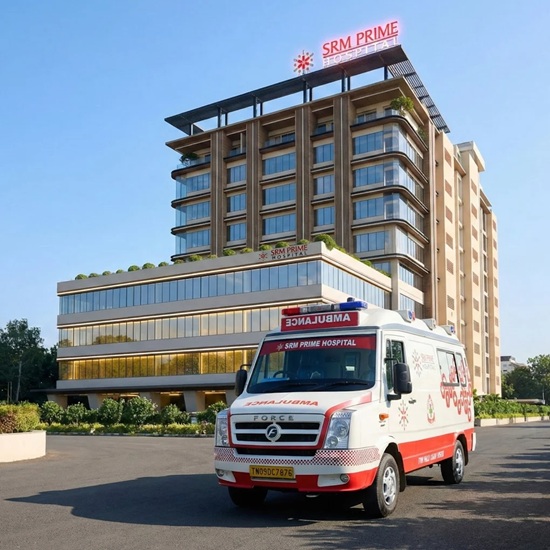 SRM Prime Hospital, Ramapuram: 24x7 Emergency Care and Multi-Speciality Healthcare in Chennai09/Sep/2026 12:18:45 PM
 -
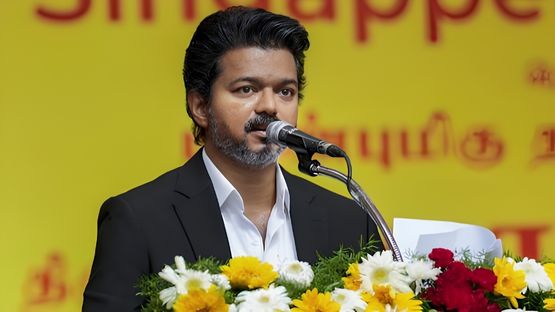 Tamil Nadu CM Vijay to Visit London for Investment Promotion09/Sep/2026 12:13:13 PM
 -
 Phoenix Marketcity Chennai: Shops, Restaurants, Entertainment and Location Guide09/Sep/2026 12:03:34 PM