
Waterproofing and Weatherproofing in Chennai: Benefits, Types and Cost of Home Protection
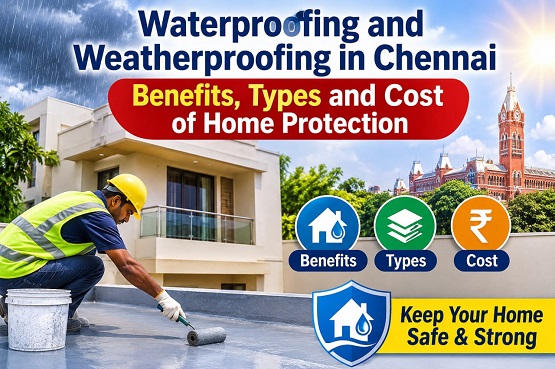
Chennai experiences seasonal rainfall, particularly during the northeast monsoon. Heavy rain can affect residential buildings through roof leakage, wall dampness and water seepage. Without proper protection, moisture can gradually damage walls, ceilings, floors and other parts of a house.
Waterproofing and weatherproofing are important measures that help protect homes from rainwater and changing weather conditions. Understanding these methods, their benefits and available options can help homeowners maintain their properties and avoid expensive repairs.
What is Waterproofing?
Waterproofing is the process of preventing water from entering a building through roofs, walls, floors and foundations. Special coatings, sealants and waterproof membranes are used to create protective barriers against water penetration.
It is particularly important in areas such as terraces, bathrooms, balconies, basements and exterior walls, where exposure to water is more common.
What is Weatherproofing?
Weatherproofing refers to protecting a building from different outdoor weather conditions, including rain, moisture, wind and sunlight. It involves using suitable materials and maintenance methods to protect roofs, exterior walls, windows and doors.
While waterproofing mainly focuses on preventing water penetration, weatherproofing provides broader protection against environmental conditions.
Why is Waterproofing Important for Homes?
Every residential building needs protection against moisture and water damage. During the rainy season, water can enter through small cracks, damaged surfaces and poorly maintained drainage systems.
Without proper waterproofing, continuous moisture exposure may weaken concrete, damage wooden materials and cause corrosion in metal components. Damp walls and ceilings can also encourage mould growth and affect indoor air quality.
Installing suitable waterproofing systems during construction or carrying out preventive maintenance later can help reduce these problems.
Benefits of Home Waterproofing
Waterproofing offers several advantages for homeowners:
- Prevents Water Leakage: Helps stop rainwater from entering through roofs, terraces, walls and other exposed surfaces.
- Protects Building Structure: Reduces moisture-related damage to concrete, plaster and other construction materials.
- Reduces Dampness: Helps prevent damp patches, peeling paint and mould formation.
- Protects Household Belongings: Reduces the risk of water damage to furniture, electrical fittings and interior materials.
- Improves Property Maintenance: Helps minimise repeated repairs caused by water infiltration.
- Supports Property Value: A well-maintained home with proper waterproofing can be more attractive to potential buyers.
Different Types of Waterproofing Systems
Several waterproofing methods are available depending on the building structure, location and level of water exposure.
1. Liquid Waterproofing
Liquid waterproofing involves applying a special coating to surfaces such as terraces and concrete roofs. Once applied and cured, it forms a a protective layer that helps prevent water penetration.
2. Cement-Based Waterproofing
Cement-based waterproofing materials are commonly used in bathrooms, balconies and other concrete surfaces. These products help reduce water absorption when applied according to the recommended method.
3. Membrane Waterproofing
Waterproof membranes are installed on roofs, terraces and other exposed areas to create a protective barrier. They are available in different materials and installation methods.
4. Crack Sealants
Special sealants are used to close suitable cracks and joints in walls, roofs and concrete surfaces. They help prevent water from entering through small openings.
Weatherproofing Methods for Residential Buildings
Weatherproofing involves maintaining different parts of a house to reduce damage caused by outdoor conditions.
- Applying suitable weather-resistant coatings to exterior walls.
- Checking and repairing roof surfaces before the monsoon.
- Sealing gaps around windows and doors.
- Maintaining rainwater pipes and drainage outlets.
- Inspecting balconies and exposed concrete areas.
- Repairing damaged plaster and exterior wall cracks.
These measures can help improve the durability of residential buildings.
Waterproofing Options: Indoor and Outdoor Applications
Waterproofing can be carried out in both indoor and outdoor areas based on the source of moisture.
Indoor waterproofing is generally required in bathrooms, kitchens, balconies and basements. Outdoor waterproofing is commonly used for terraces, roofs, exterior walls and foundations.
The selection of a suitable system depends on the condition of the building, the extent of water exposure and the type of surface. Some minor maintenance products may be suitable for simple repairs, while larger waterproofing projects require trained professionals.
Cost of Waterproofing in Chennai
The cost of waterproofing depends on several factors, including the total area, surface condition, materials used, labour charges and complexity of the work.
Minor crack repairs and sealant applications may require a smaller budget. However, complete terrace waterproofing, basement protection and extensive repair work may cost more because they require specialised materials and labour.
Homeowners should inspect the affected area and compare suitable solutions before selecting a waterproofing service.
Disadvantages and Maintenance of Waterproofing
Although waterproofing provides long-term protection, some systems require periodic inspection and maintenance. Certain coatings and sealants may need reapplication depending on their material, exposure and condition.
If the building has poor drainage, foundation problems or unresolved structural cracks, applying a waterproof coating alone may not solve the issue.
Therefore, identifying the actual source of water penetration is important before carrying out waterproofing work.
Does Waterproofing Increase Property Value?
Proper waterproofing can support the long-term value of a residential property by protecting its structure and reducing moisture-related damage.
A house with well-maintained roroofs, dry walls and properly protected interiors may be more appealing to potential buyers. Preventing water damage can also help homeowners avoid major renovation expenses in the future.
Disclaimer: Waterproofing methods and costs vary depending on the building condition, surface area and materials used. Professional inspection is advisable for major or recurring water leakage problems.
Top Stories
-
 Monthly Electricity Bill Savings: How Much Can Chennai Homes Save with Rooftop Solar?02/Nov/2026 1:16:19 PM
-
 Commercial vs. Domestic Power Bills: A Guide for Chennai Shop Owners and Home Businesses02/Nov/2026 1:04:30 PM
-
 Single - Phase to Three - Phase: How to Upgrade Your TNPDCL Connection Online
02/Nov/2026 12:58:38 PM -
 VBJ Opens Tamil Nadu’s Largest Jewellery Showroom in Coimbatore with ₹900 Crore Investment02/Nov/2026 12:38:45 PM
-
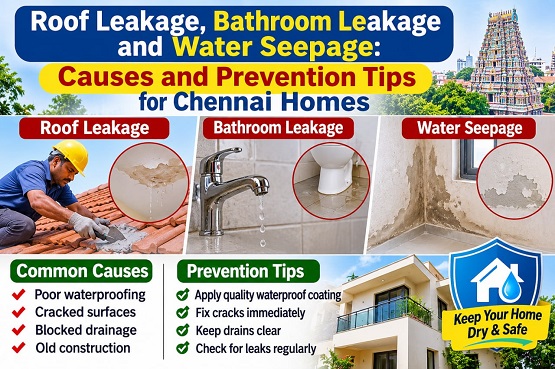 Roof Leakage, Bathroom Leakage and Water Seepage: Causes and Prevention Tips for Chennai Homes02/Nov/2026 12:28:29 PM
-
Waterproofing and Weatherproofing in Chennai: Benefits, Types and Cost of Home Protection02/Nov/2026 12:12:01 PM

 JB Soft System