
Cold Water vs Warm Water After Meals: Which Is Better for Digestion?
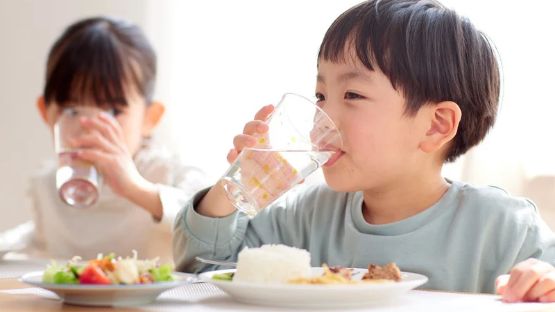
Drinking water after meals is a common habit, but people often have different opinions about whether cold water or warm water is better. Some believe that drinking water immediately after eating can affect digestion, while others prefer warm water over cold water.
However, drinking a moderate amount of water during or after meals does not generally harm digestion in healthy individuals. Water helps the body digest food and supports regular bowel movements, which can help prevent constipation.
Here is what you should know about drinking cold and warm water after meals and how to maintain healthy hydration habits.
Is It Safe to Drink Water Immediately After Eating?
Yes. Most healthy people can drink water while eating or immediately after a meal. There is no need to avoid water after eating because of concerns that it will interfere with digestion.
Water supports the digestive process and helps soften stools, making them easier to pass. However, drinking a large amount at once may cause bloating or discomfort in some people.
It is better to drink according to your thirst and avoid consuming excessive amounts in one sitting.
Warm Water After Meals: What Are the Benefits?
Drinking warm water may feel soothing for some people. Some evidence suggests that warm liquids may help relax the digestive tract and support bowel movements.
However, scientific evidence showing that warm water improves digestion significantly more than water at room temperature is limited.
Warm water may be a comfortable choice for people who prefer it, but it is not necessary for everyone.
Can Warm Water Help Prevent Constipation?
Drinking enough water helps soften stools and allows them to move more easily through the intestines. This makes proper hydration an important part of preventing constipation.
Some people find that drinking warm water encourages bowel movements. However, if constipation occurs frequently, relying only on warm water may not be enough.
Increasing dietary fibre, staying physically active and seeking medical advice when necessary are also important.
Can Warm Water Reduce Bloating After Meals?
Some people experience stomach heaviness or bloating after eating. Sipping a small amount of warm water may feel soothing and provide temporary comfort.
However, drinking too much water at once can increase the feeling of fullness and discomfort. Therefore, it is better to drink slowly and in moderate amounts.
Does Drinking Warm Water Help Burn Fat?
Some claims suggest that drinking warm water after meals can increase metabolism and reduce body fat. However, there is not enough scientific evidence to show that warm water alone can burn fat or produce significant weight loss.
Maintaining a healthy weight requires a balanced diet, appropriate calorie intake and regular physical activity.
How Much Water Should You Drink After Meals?
There is no need to drink large quantities of water immediately after eating. If you feel thirsty, you can drink small amounts at a comfortable pace.
Keep these simple points in mind:
- Drink water whenever you feel thirsty.
- Avoid drinking excessive amounts at one time if it causes bloating.
- Choose cold, room-temperature or warm water according to your comfort.
- If you prefer warm water, make sure it is not too hot, as very hot water can burn your mouth and throat.
- Maintain adequate hydration throughout the day.
Cold Water vs Warm Water: Which Is Better After Meals?
Both cold and warm water are generally suitable for most healthy people. There is no strong scientific evidence that one temperature is universally better for digestion after meals.
The best choice depends on personal comfort and preference. You do not need to avoid cold water or force yourself to drink warm water after eating.
People who have heart, kidney or liver conditions and have been advised to restrict their fluid intake should follow their healthcare provider`s recommendations.
Disclaimer: This article is for general informational purposes only and should not be considered a substitute for professional medical advice, diagnosis or treatment.
Top Stories
-
 Tamil Nadu CM Vijay to Visit Ambasamudram on November 14 for Children’s Day Celebration31/Oct/2026 11:44:01 AM
-
 India Census 2027: Population Enumeration to Begin on January 25 – Check Dates and Details31/Oct/2026 11:37:15 AM
-
 Switching to Rooftop Solar in Chennai: TNPDCL Net Metering & Subsidy Guide31/Oct/2026 11:19:10 AM
-
 Step-by-Step: How to Use the Official TNPDCL Tariff Calculator to Estimate Your Bill31/Oct/2026 11:09:34 AM
-
-
Cold Water vs Warm Water After Meals: Which Is Better for Digestion?31/Oct/2026 10:21:19 AM

 JB Soft System