
Top 5 Upcoming Hybrid Cars Expected to Launch in India

Hybrid vehicles are set to play a bigger role in India`s automotive market, with several manufacturers preparing to introduce new models over the next year. Here are five of the most anticipated hybrid launches.
1. Renault Duster Hybrid
The next-generation Renault Duster Hybrid is expected to arrive around the 2026 festive season. Likely to feature a strong hybrid powertrain, the SUV is expected to compete with the Toyota Urban Cruiser Hyryder and Maruti Suzuki Grand Vitara, offering improved fuel efficiency and modern features.
2. BYD Seal U DM-i (Sealion 6)
BYD is expected to introduce the Seal U DM-i, also known as the Sealion 6 in some markets, before the end of 2026. The plug-in hybrid SUV is expected to offer an electric-only driving mode along with a combined driving range of up to 1,200 km, depending on the variant.
3. Nissan Tekton Hybrid
Nissan is developing the Tekton Hybrid, a midsize SUV based on the same platform as the upcoming Renault Duster. Expected to launch after the Duster, the SUV will feature unique styling and is likely to target buyers looking for a fuel-efficient alternative in the competitive midsize SUV segment.
4. Hyundai`s First Hybrid SUV
Hyundai is preparing to launch its first hybrid model for India in 2027. While the company has not confirmed the exact vehicle, industry reports suggest it is likely to be an SUV designed to deliver better fuel efficiency while reducing dependence on diesel engines.
5. Kia Sorento Hybrid
The Kia Sorento Hybrid is expected to join the Indian lineup from FY2027 onwards. The premium three-row SUV is likely to feature a turbo-petrol hybrid powertrain, offering improved fuel economy while competing with larger family SUVs in the premium segment.
These upcoming launches reflect the growing interest in hybrid technology, which combines the efficiency of electric motors with the convenience of petrol engines, offering buyers lower fuel consumption without relying entirely on charging infrastructure.
Top Stories
-
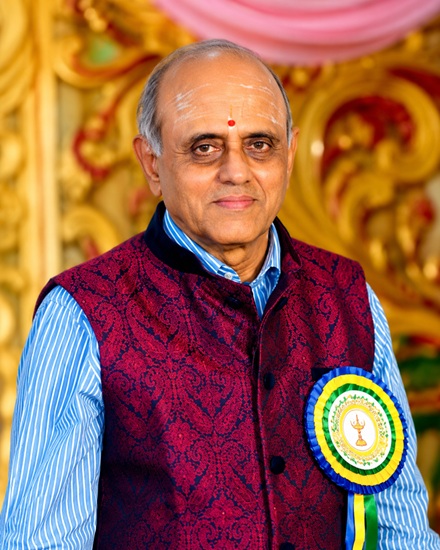 Dr. N. Panchapakesan - A Life Dedicated to Service, Values and Bringing Families Together04/Jul/2026 6:30:08 PM
 -
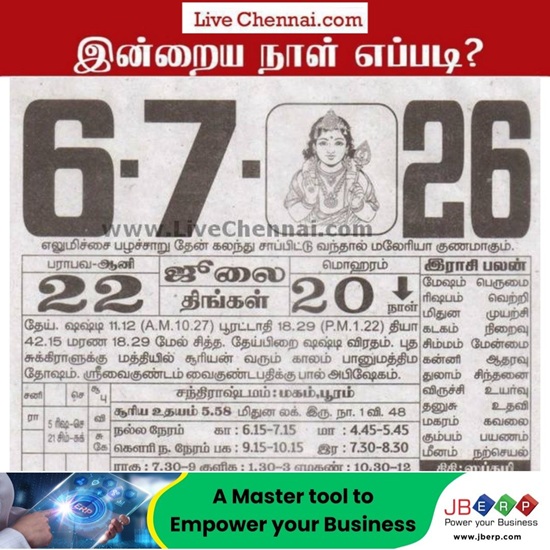 July 6, 2026 Panchangam: Nalla Neram, Thithi, Nakshatram & Chandrashtamam04/Jul/2026 6:05:49 PM
 -
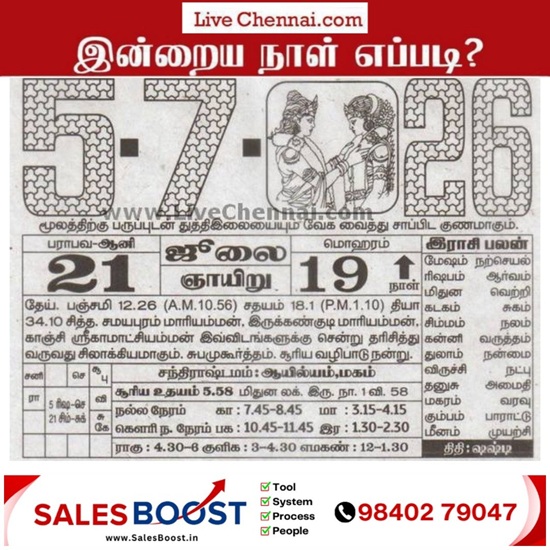 Tomorrow Panchangam July 05 2026 | Auspicious Timings, Rahu Kalam, Gulikai04/Jul/2026 6:04:31 PM
 -
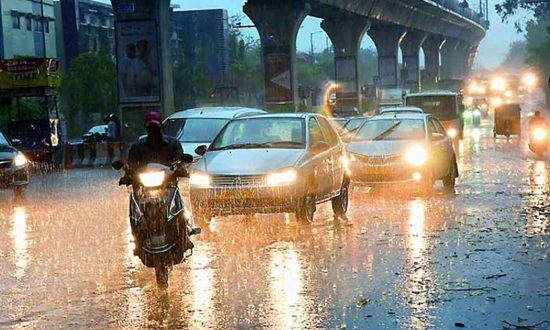 Tamil Nadu Weather Update: Rain Likely in 15 Districts Until 7 PM Today04/Jul/2026 6:02:06 PM
 -
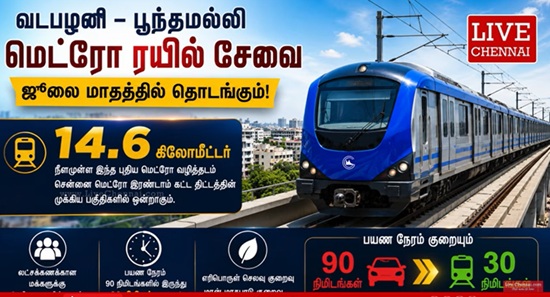 Chennai Metro Big Update: Vadapalani–Poonamallee Metro Line Opening Soon | Watch Full Video04/Jul/2026 4:42:18 PM
 -
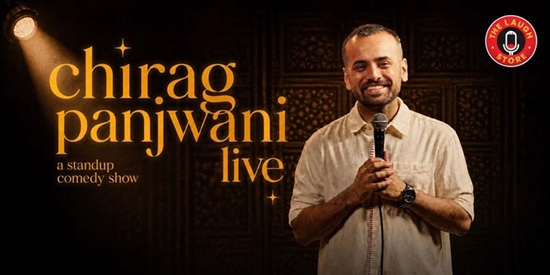 Chirag Panjwani Live Stand-Up Comedy Show in Chennai on July 504/Jul/2026 4:38:42 PM